


From fixed pulses to smart stimulation: Parkinson’s treatment takes a leap forward
May 19, 2025
 LeahJS
Traditional DBS has been a key treatment for advanced Parkinson’s disease for over two decades, delivering constant electrical stimulation to specific brain areas. However, it has always had a major limitation: once settings were programmed by a clinician, they remained fixed until the next clinic visit—despite Parkinson’s symptoms fluctuating throughout the day due to medication and activity levels.
What’s New: Adaptive Deep Brain Stimulation
In 2025, health authorities in the U.S. and Europe approved adaptive DBS—a next-generation therapy that automatically adjusts stimulation in real time. Instead of constant pulses, adaptive DBS uses a computer to interpret brain activity and raise or lower stimulation based on the patient’s current needs.
This approach is more responsive and personalized. For example:
If symptoms worsen, stimulation increases.
When symptoms improve (like after taking medication), stimulation decreases or pauses.
How It Works: Brain Waves as a Guide
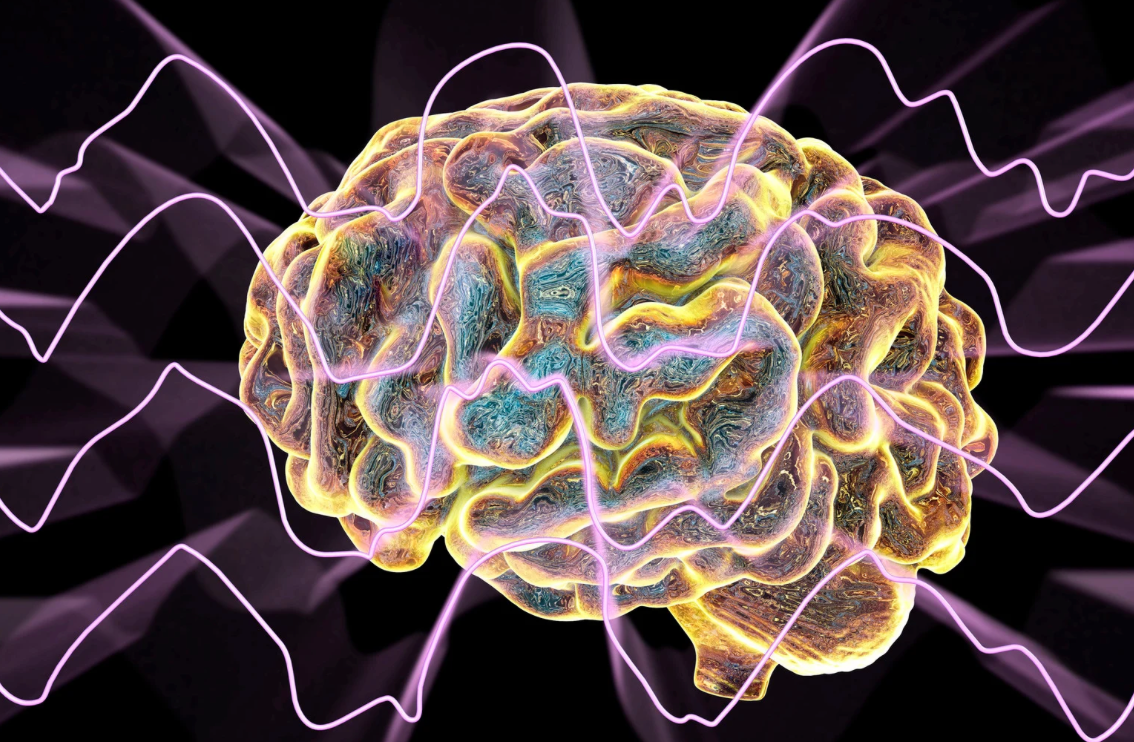
The key breakthrough came from University College London researchers who, over 20 years ago, discovered a specific brain wave pattern linked to worsening symptoms when patients were off their medication. These signals became the target for triggering adaptive stimulation—much like a thermostat turns on an air conditioner when a room gets too warm.
After years of refinement, what started as a bulky, hospital-only system now fits inside an implantable device smaller than a matchbox, placed in the patient’s chest.
Smarter Tools, Bigger Challenges
Adaptive DBS introduces new possibilities:
It can track harmful brain waves for days or weeks, offering valuable insights into symptom patterns.
It may eventually help manage not just movement symptoms, but also depression, anxiety, and cognitive decline, by identifying and targeting brain signals linked to these challenges.
But it also adds complexity:
The stimulation now responds to dynamic brain activity, so clinicians need more time to fine-tune settings.
Unlike fixed settings (which show immediate effects), adaptive programs must be tested over several days to evaluate performance.
The Future of Brain Therapy
With the hardware and approval in place, the field is poised to move fast. Researchers are exploring how AI can analyze brain signals to uncover patterns too subtle for human observation—potentially helping to treat a wider range of neurological and psychiatric symptoms.
The long-term goal is precision: stimulating the right place, at the right time, for the right reason—fully aligned with each patient’s real-life rhythms and needs.
Comments (0)
Loading comments...