


Lactoperoxidase helps the brain build its natural pigment
April 27, 2026
The dark pigment tucked away in the substantia nigra has always been a bit of a mystery. We know it as neuromelanin, and it acts like a tiny, internal sponge, soaking up metals and potentially toxic chemicals to keep our brain cells safe. For a long time, scientists weren't sure if this pigment just appeared by accident or if the brain had a specific tool to build it. A recent study has pointed to a new lead: an enzyme called lactoperoxidase.
Usually, when we think of enzymes creating pigment, we think of the ones that give our hair and skin their colour. However, those specific tools aren't present in the part of the brain affected by Parkinson's. This is where lactoperoxidase comes in. Researchers found that this enzyme is sitting right where it's needed, acting like a skilled worker turning raw dopamine into the dark, protective neuromelanin.
What makes this discovery particularly interesting is how the process works. To build this pigment, the enzyme uses up hydrogen peroxide. In high amounts, hydrogen peroxide can be quite a nuisance for brain cells, causing oxidative stress. By using it as fuel to create neuromelanin, the brain is essentially recycling a "waste product" and turning it into a protective shield.
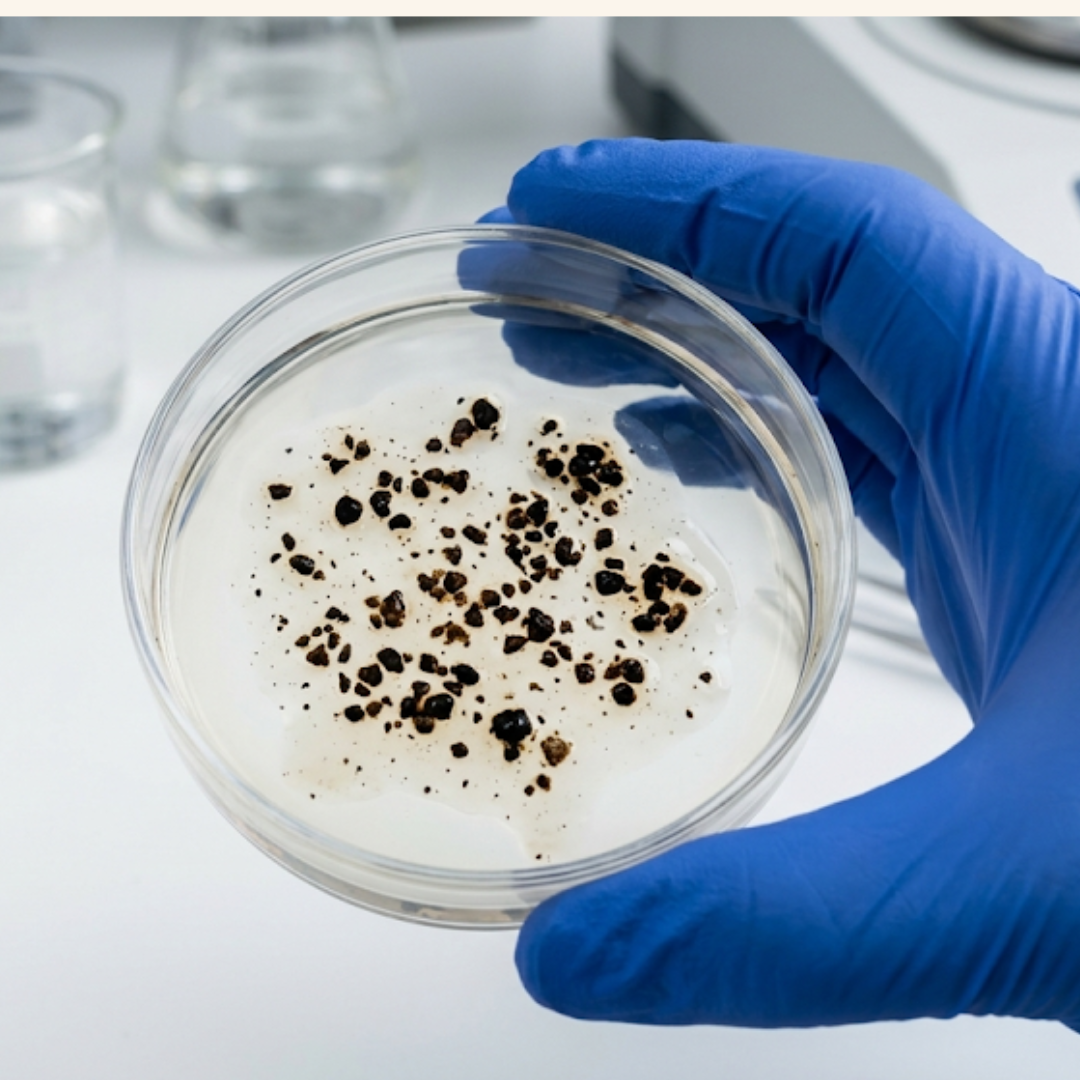
The researchers even tested this by introducing the enzyme into models that don't usually have this pigment, and they watched as the dark colour began to form. This suggests that the enzyme is a primary driver of the process. For those of us looking closely at Parkinson's, this is a fascinating piece of the puzzle. It helps explain how the brain tries to defend itself and may eventually lead to better ways to support these cells in staying healthy and resilient.
Comments (0)
Loading comments...