


Genetic boost to brain receptors offers females a powerful new shield against Parkinson's
May 9, 2026
Researchers at Texas A&M University have uncovered a hidden shield in the brain that could lead to new ways of slowing down Parkinson’s.
For a long time, scientists noticed that people who used nicotine seemed to have a lower risk of Parkinson’s. However, nicotine is highly addictive and comes with serious health risks, making it a dangerous and unhealthy option for any kind of treatment. The big challenge was finding a way to get the brain-protecting benefits of nicotine without actually using the harmful substance itself.
The team managed to do exactly that by focusing on tiny "gatekeepers" on the surface of brain cells called receptors. Using clever genetic tools, they increased the number of these receptors in the brain. They found that simply having more of these gatekeepers allowed brain cells to stay healthy and resist the damage that usually happens in Parkinson’s.
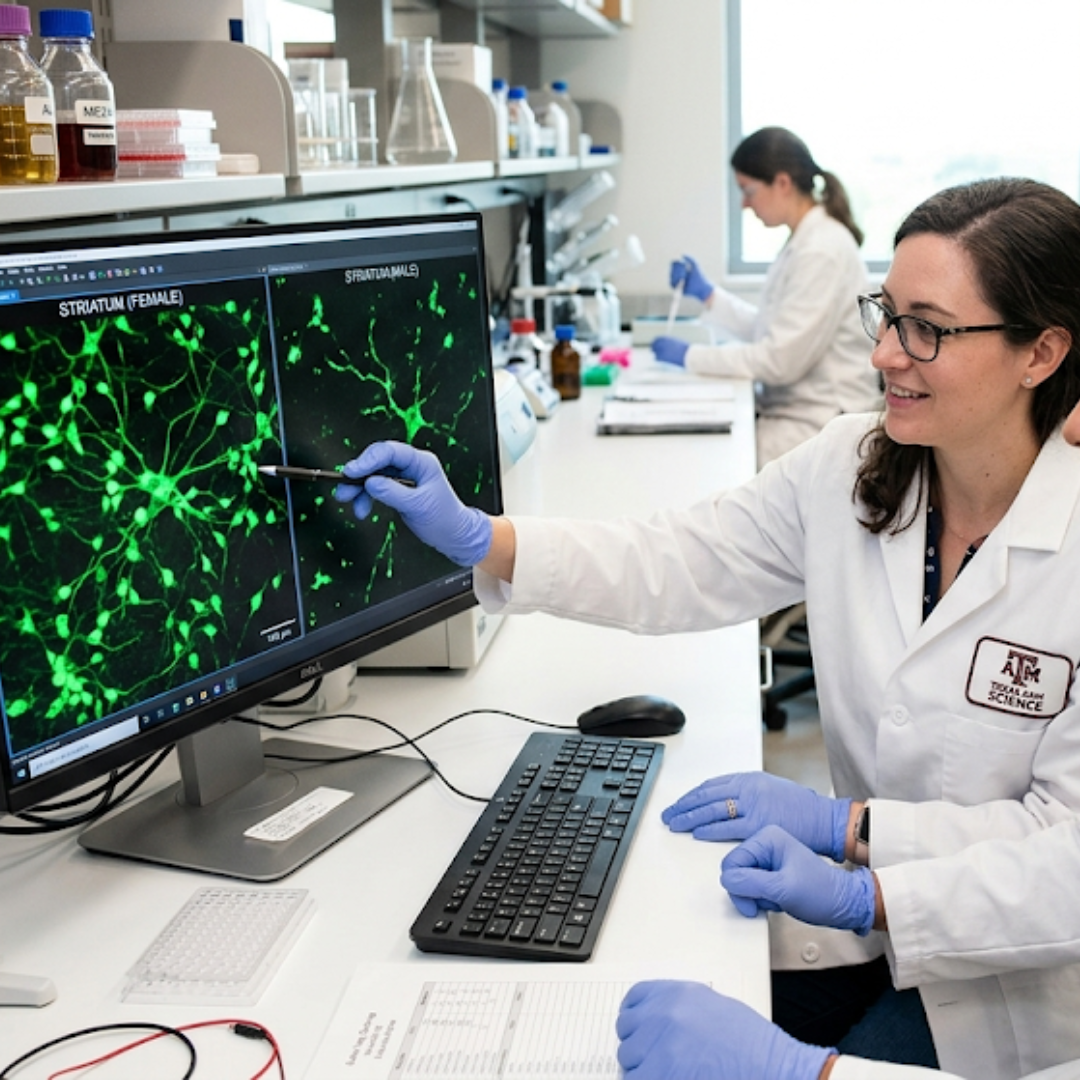
There is a fascinating twist to the discovery: this natural suit of armour only worked in females. In the study, the female brain cells remained strong and avoided the stress that leads to cell death, while the male cells did not show the same improvement. The researchers found that this protection relies on a partnership with oestrogen. When the hormone and the receptors work together, they act like a team to block inflammation and keep the brain’s dopamine-producing areas intact.
This is a massive shift in how we think about the condition. Most current treatments only help with symptoms, like trying to fix a leak after the pipe has already burst. This new research points toward a way to strengthen the pipes themselves. By understanding why the female brain has this unique advantage, scientists can work on new, safe therapies that mimic this effect for everyone, potentially slowing down the progression of Parkinson’s for the first time.
Comments (0)
Loading comments...