


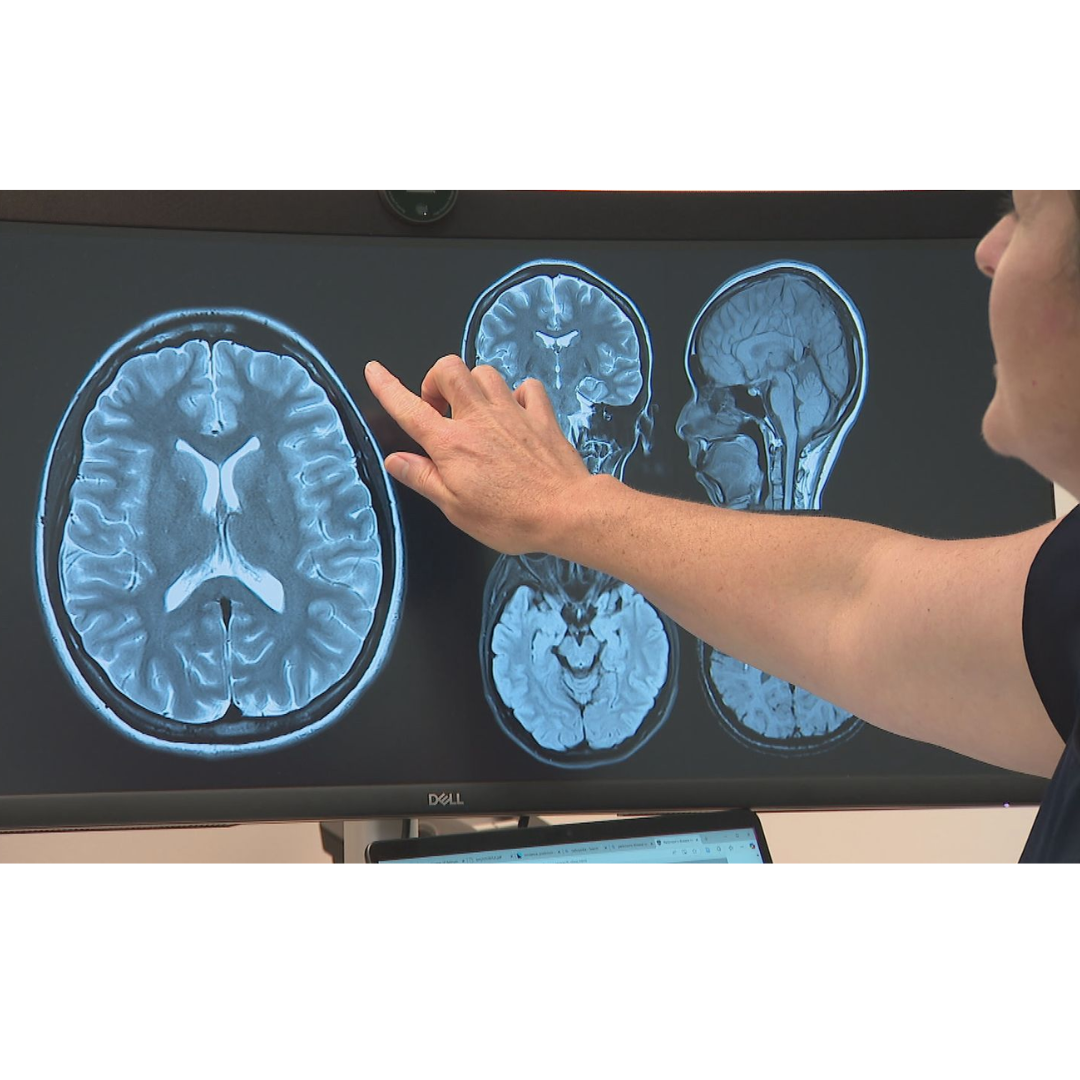
World-first trial to understand link between violent dreams and Parkinson's disease
December 3, 2024
Unusual nighttime behaviors, like acting out dreams, could be an early warning sign of Parkinson’s disease, according to researchers. For John Clowes, the discovery began with restless nights filled with vivid, almost cinematic dreams.
"I was starting to thrash around with my arms and legs in bed," Clowes told 9News. “I’d wake up and could almost relive the dream. It was like a cheap Hollywood movie.”
Clues in the Night: Acting Out Dreams
Clowes’ symptoms align with a condition called REM sleep behavior disorder (RBD), where people physically act out their dreams. Unlike sleepwalking, this occurs during REM (rapid eye movement) sleep, when the body’s muscles are typically relaxed.
Professor Simon Lewis, a cognitive neurology expert at Macquarie University, explains the potential link:
“If we can’t explain why somebody starts acting out their dreams after the age of 50, their chances of developing Parkinson’s or a related disease are 140 times greater than the average person.”
Early Warning Signs
In addition to RBD, Clowes showed another early indicator: a diminished sense of smell. Both symptoms are considered red flags for neurodegenerative diseases like Parkinson’s.
These signs often appear years before the hallmark motor symptoms—such as tremors and difficulty walking—become evident. By that time, half of the brain’s dopamine-producing cells, essential for movement and coordination, have already been lost.
Fighting Neurodegeneration Before It Starts
Researchers are now testing whether a new pill can combat inflammation in the brain, a key factor in the early stages of Parkinson’s.
“We want to identify a pathway to a cure,” Professor Lewis said. “So we’re using a short exposure to a drug that we think will reduce the neuroinflammation.”
The trial aims to protect the brain cells long before motor symptoms emerge, potentially preventing or delaying the disease's progression.
A Personal Stake in the Trial
Clowes, who has a family history of Parkinson’s, qualified for the groundbreaking trial.
“If I’ve got it, or if I’m going to develop it over time, better they know more about it,” he said.
The trial offers hope for early intervention strategies, focusing on preserving brain health in the years before significant damage occurs.
A Step Toward Prevention
This research underscores the importance of recognizing early warning signs like violent dreams and loss of smell. By identifying these signals and intervening early, scientists are paving the way for new treatments that could one day halt Parkinson’s disease in its tracks.
Comments (0)
Loading comments...