


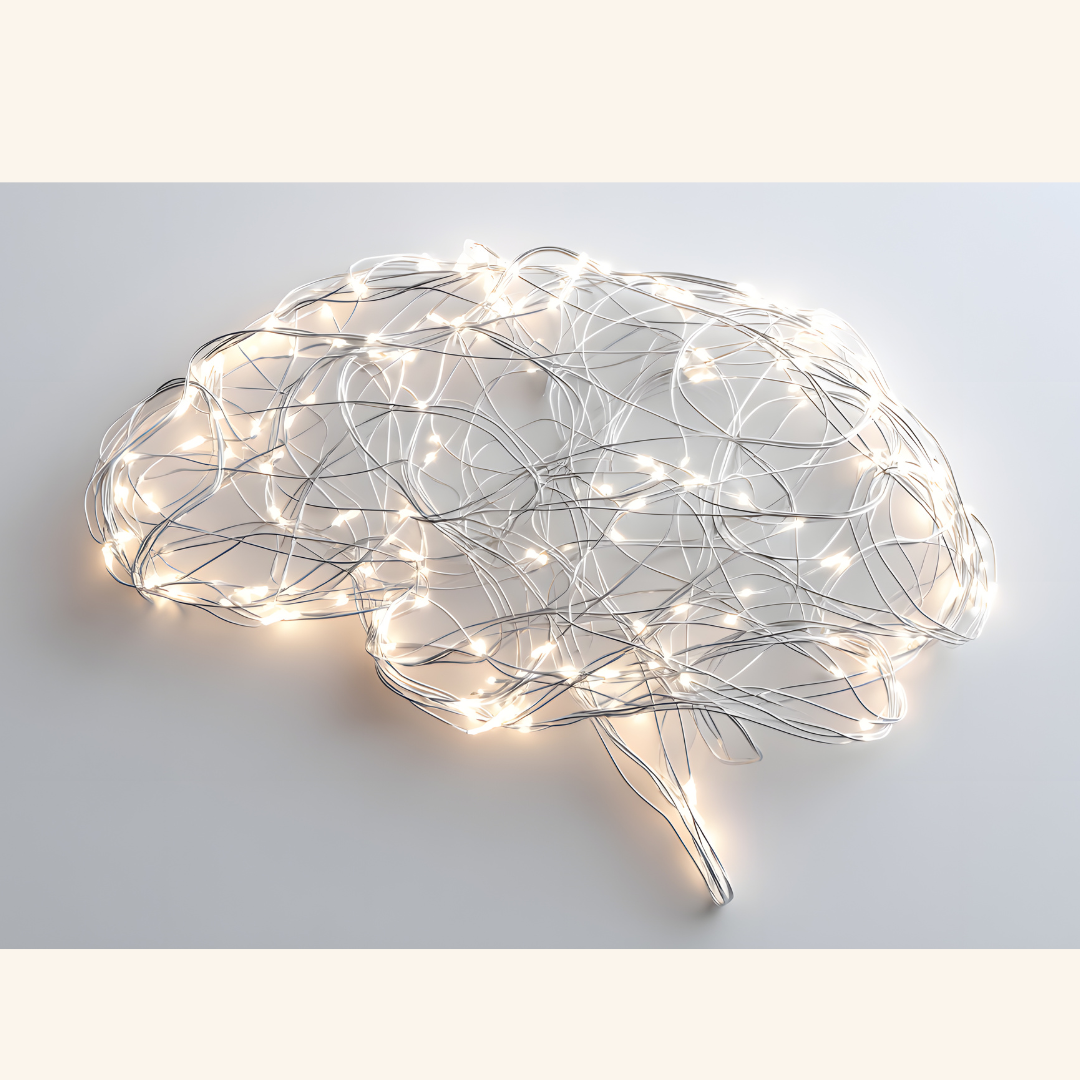
Keeping the Lights On: How Protecting Brain Cell Power May Slow Parkinson’s
November 5, 2025
Scientists are getting a clearer picture of what goes wrong inside brain cells in Parkinson’s, and it’s not just about losing dopamine. A new study has shown how tiny changes in calcium levels and cell energy can make or break a neuron’s survival — and how tweaking one small channel in the cell’s power system might help protect it.
The research focused on structures called mitochondria, which act like miniature batteries inside our cells. In Parkinson’s, these batteries often wear out, leaving brain cells struggling to power themselves. At the same time, calcium — an element that normally helps cells send messages and stay balanced — can start to flood in at the wrong times or in the wrong places. When that happens, cells become stressed and eventually die.
To explore this, scientists studied nerve-like cells in the lab that mimic the ones affected in Parkinson’s. They used chemicals to open or block special potassium channels known as KATP channels, which control how much energy the cell uses and stores. These channels exist both on the surface of the cell and inside the mitochondria, and they play a key role in helping cells cope with stress.
The results were striking. When the researchers opened the mitochondrial KATP channels, the cells handled calcium better and their mitochondria stayed healthy. When they blocked these channels, calcium levels spiked and the mitochondria became damaged. In the cells where the channels were kept open, the mitochondria produced more energy and the cells were much more likely to survive.
What this means is that the way brain cells manage energy and calcium may be one of the early points where Parkinson’s damage begins. If scientists can find drugs that keep these energy channels open or help mitochondria recover, they might be able to stop neurons from dying before symptoms even appear.
Of course, this is still early-stage work done in cell models, not in people. But it offers a valuable clue: protecting a cell’s energy and calcium balance could slow or even prevent the kind of cell death that defines Parkinson’s. Instead of only easing symptoms, future treatments might work by keeping the brain’s power supply stable — helping nerve cells stay alive and resilient for longer.
Comments (0)
Loading comments...