


Higher Vitamin B6 and Folate Intake Linked to Improved Survival in Parkinson’s
February 12, 2026
While nutrition has long been considered a supporting factor in managing Parkinson’s, a new study published in Nutrients suggests that certain B vitamins may play a much more critical role in long-term outcomes than previously thought. The research indicates that higher intakes of vitamin B6 and folate are associated with a significantly lower risk of mortality among people living with the condition.
The study utilised data from two major long-term projects: the Health Professionals Follow-Up Study and the Nurses' Health Study. Researchers followed over 1,200 participants who had been diagnosed with the condition, tracking their dietary habits and health outcomes over several decades.
A Protective Effect
The findings revealed a clear trend: those with the highest intake of vitamin B6 and folate had a better survival rate compared to those with the lowest intake.
Specifically, when comparing the top 25% of vitamin consumers to the bottom 25%, researchers found that:
Vitamin B6: High intake was associated with a 43% lower risk of mortality.
Folate: High intake was associated with a 41% lower risk of mortality.
Interestingly, while vitamin B12 is often discussed in the context of neurological health, this specific study did not find a statistically significant link between B12 intake and survival rates in the same way it did for B6 and folate.
The Role of Homocysteine
Why would these specific vitamins make such a difference? The answer likely lies in a compound called homocysteine. High levels of homocysteine in the blood are linked to increased inflammation and damage to neurons, both of which can accelerate the progression of the condition.
B vitamins, particularly B6 and folate, are essential for the chemical process that breaks down homocysteine. By keeping these levels in check, these vitamins may help protect the brain from further oxidative stress and neurodegeneration.
Diet vs. Supplements
The study looked at total intake, which includes both food sources and supplements. For those looking to support their health through their diet, these vitamins are readily available in many common foods:
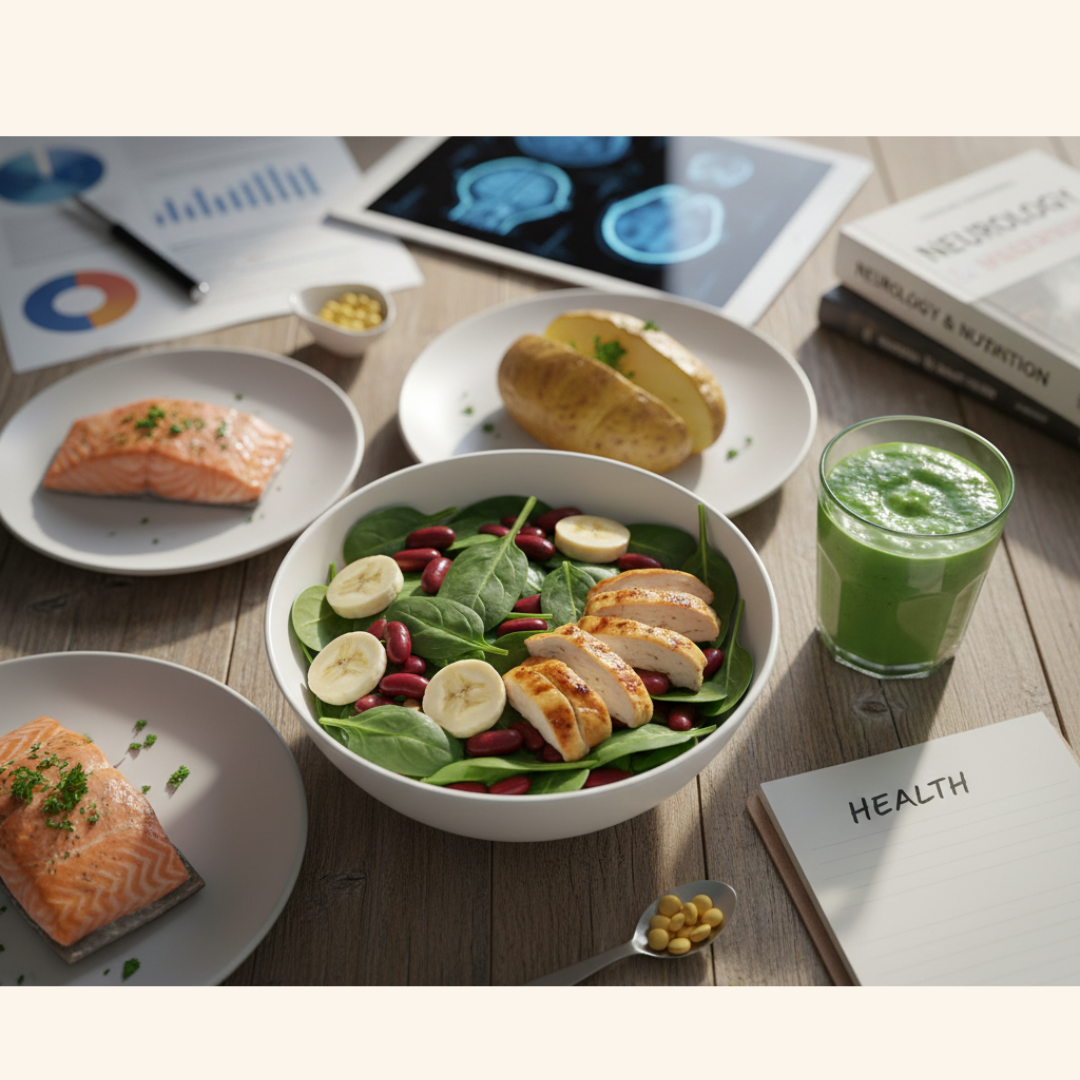
Vitamin B6: Found in chickpeas, potatoes, bananas, poultry, and fish.
Folate: Found in dark leafy greens (like spinach and kale), beans, peas, and fortified cereals.
Important Considerations
While these results are encouraging, the researchers noted that the timing of vitamin intake matters. The protective benefits were most pronounced when the vitamins were consumed before a Parkinson’s diagnosis. However, maintaining a high intake after diagnosis still showed a positive, albeit slightly less dramatic, association with better survival.
As always, it is important for people with the condition to speak with their healthcare team before making significant changes to their supplement routine, as certain vitamins can occasionally interfere with the absorption of standard medications like levodopa.
This research adds to a growing body of evidence that what we eat can have a profound impact on how the brain ages and how the body manages the long-term challenges of the condition.
Comments (0)
Loading comments...