


How Anti-Inflammatory Diet Help with Parkinson’s
July 22, 2025
Emerging research shows a surprising connection between your gut health and your brain health, and it’s sparking real interest in the idea that an anti-inflammatory diet might help people living with Parkinson’s Disease (PD).
Let’s break it down.
🧠 Your Brain and Your Gut Are Constantly Talking
It sounds strange, but your brain and gut are deeply connected. In fact, they communicate through something called the gut-brain axis, sending signals back and forth via nerves—especially one called the vagus nerve, which runs all the way from your brain to your stomach and beyond.
Some scientists now believe that Parkinson’s disease may actually start in the gut—years before the typical motor symptoms like tremors or stiffness show up.
Think about it: up to 80% of people with PD experience gut issues like constipation, bloating, or nausea—often decades before diagnosis. Researchers believe this might be caused by inflammation in the gut, triggered by changes in your gut bacteria (also known as your microbiome).
And when inflammation takes hold in the gut, it can spread. Either it affects your whole body (including your brain), or it travels up the vagus nerve straight into the brain, potentially sparking or speeding up Parkinson’s.
🍅 So, Can a Healthier Diet Actually Help?
The big question researchers are asking is: If inflammation in the gut might contribute to Parkinson’s, could changing your diet calm the inflammation—and slow the disease?
We don’t have a crystal-clear answer yet. But there’s growing evidence that eating an anti-inflammatory diet—particularly the Mediterranean diet—might make a real difference.
🐟 What’s the Mediterranean Diet?
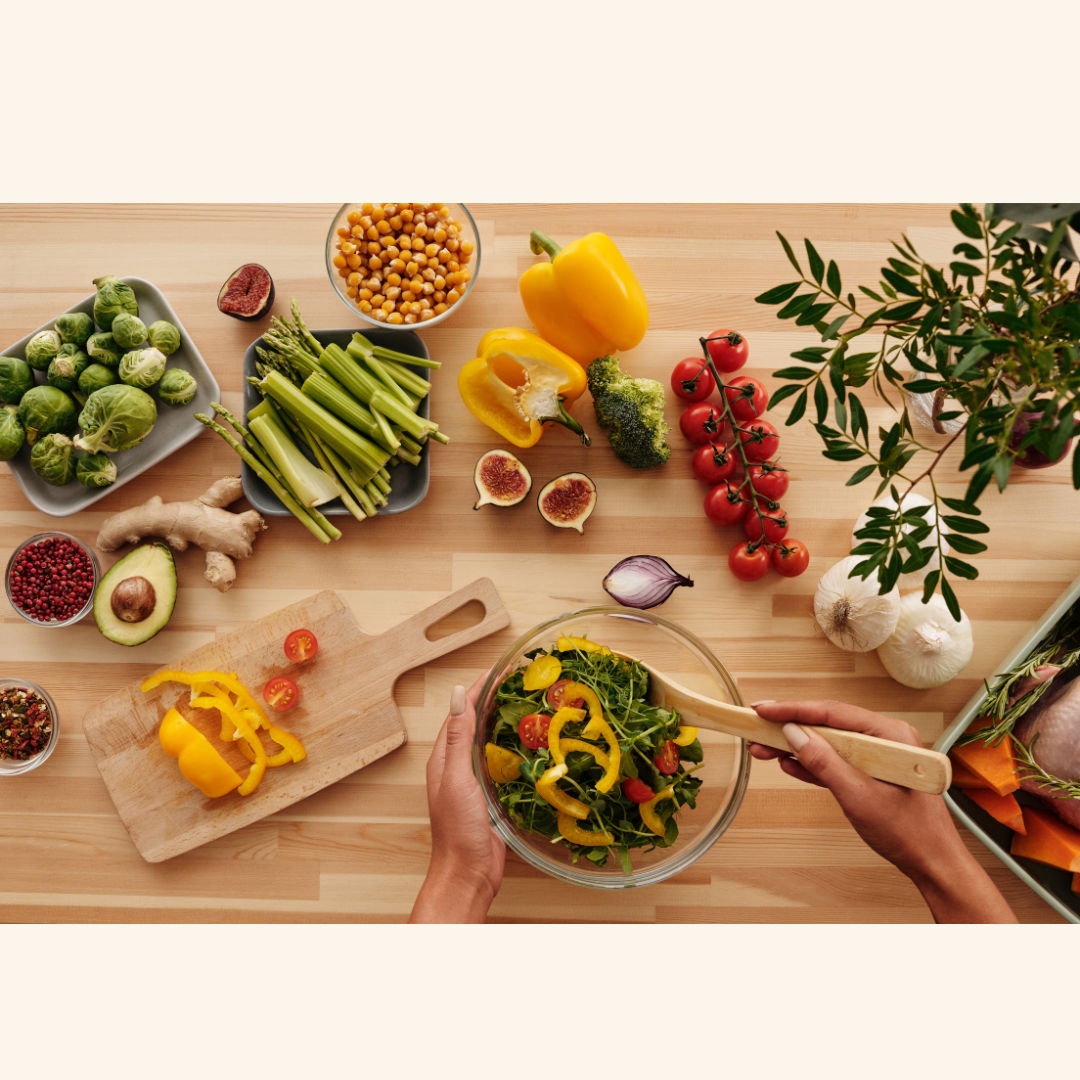
It’s not just a buzzword. The Mediterranean diet is a way of eating that’s full of:
Olive oil
Fruits and vegetables
Whole grains
Nuts and seeds
Beans and lentils
Fish and lean proteins
It avoids processed and fried foods, sugary snacks, fizzy drinks, and refined carbs (like white bread and pastries).
One neurologist, Dr Jeff Bronstein from UCLA, says people who follow this diet long-term can cut their risk of developing Parkinson’s by up to 50%. Even for people who already have PD, the diet may help slow down symptoms.
Dr Michael Kaplitt, another leading expert, agrees that eating well makes people with PD feel and function better—although more research is needed to prove whether it slows the disease itself.
💊 What About Supplements?
Some nutrients are especially important for people with Parkinson’s. Here's a breakdown of the ones to focus on:
🧠 Vitamin B6 – Dopamine’s Helper
Vitamin B6 is essential for over 100 body functions—including making dopamine, the brain chemical that’s missing in Parkinson’s.
Low B6? You may feel weaker, more tired, or experience nerve issues.
Good sources of B6:
Chickpeas
Tuna
Beef liver
Chicken, turkey, salmon
Potatoes and bananas
Here’s the twist: your Parkinson’s medication (levodopa) relies on an enzyme that needs B6 to work properly. So, if you’re low on B6, you might not be getting the full benefit from your meds.
🧠 Vitamin B12 – Brain and Nerve Protector
This vitamin keeps your nervous system working properly. A B12 deficiency can cause:
Poor balance
Trouble walking
Memory and thinking problems
Good sources of B12:
Beef liver (the B12 superstar!)
Clams, oysters
Eggs, cheese, yogurt
Salmon and tuna
Fortified cereals (for vegetarians)
People with Parkinson’s often have low B12—sometimes from diet, sometimes due to absorption issues caused by PD itself. A B12 boost may help reduce fall risk and support cognitive function.
⚡ CoQ10 – The Cellular Energiser
Coenzyme Q10 (CoQ10) is an antioxidant found in every cell, but especially important in the brain.
Some studies suggest high doses of CoQ10 (around 1,200 mg daily) might slow down Parkinson’s progression—although results are mixed. Still, many people with PD take it, especially early on.
Natural sources of CoQ10 include:
Beef, chicken, and organ meats
Fish like salmon and tuna
Eggs
Peanuts and soybeans
Spinach and broccoli
Always speak with your doctor before starting CoQ10, especially in high doses, to avoid side effects like nausea or diarrhoea.
🍇 More Food Tips for People with Parkinson’s
If you're thinking of updating your diet, here are a few simple, evidence-backed tips:
✅ Eat more whole foods. Think real, unprocessed meals—not things that come in foil wrappers or are frozen for years.
✅ Avoid sugary foods. Cakes, white bread, and fizzy drinks can make fatigue and sleep worse.
✅ Limit alcohol and fried foods. Both increase inflammation and can make PD symptoms harder to manage.
✅ Go purple! Berries, red cabbage, eggplant, and red onions contain anthocyanins, powerful antioxidants that support brain health.
✅ Add healthy fats. Avocados, olive oil, coconut oil, and full-fat dairy (in moderation) contain MCTs, which can support energy and brain function.
🥦 So, What’s the Bottom Line?
There’s no miracle diet to cure Parkinson’s—but your food choices may have more power than you think.
A Mediterranean-style, anti-inflammatory diet may help reduce your risk of Parkinson’s, ease existing symptoms, and give your brain the nutrients it needs to function at its best.
You don’t have to change everything overnight. Start small:
Add more greens to your lunch
Swap crisps for nuts
Choose oily fish instead of processed meat
Try wholegrain bread instead of white
Add blueberries or raspberries to your breakfast
And if you're thinking about supplements, especially B6, B12, or CoQ10, speak with your healthcare provider to make a plan that’s safe and effective for you.
Remember: Parkinson’s affects every person differently. But eating well can help you feel stronger, more energetic, and more in control of your journey.
Comments (0)
Loading comments...