


The brain-body connection: why exercise matters in Parkinson’s
September 21, 2025
 mister green
Parkinson Canada hosted a practical, hopeful webinar on how movement supports the brain when you’re living with Parkinson’s. The session paired real-life experience with clear science. Duncan Campbell, a retired teacher and lifelong cyclist diagnosed in 2020, shared how he rebuilt confidence by combining the right medication with flexible, day-by-day exercise. Physiotherapist Orla Harris explained what’s happening in the brain, why movement helps, and how to make exercise safe, sustainable, and personal.
A lived blueprint: plan, then adapt
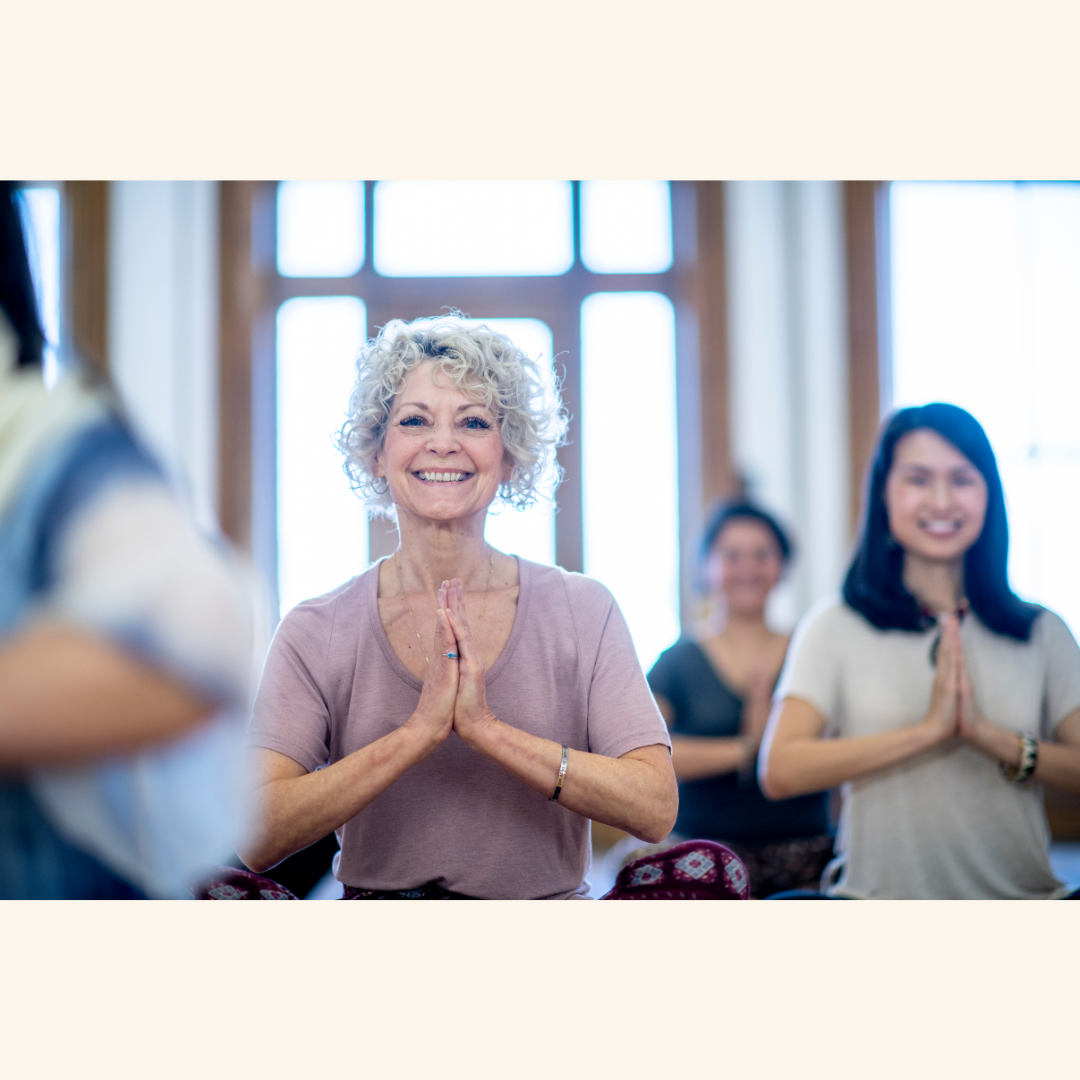
For Duncan, exercise has always been identity and stress relief. Parkinson’s didn’t change that—it changed how he does it. Medication tuning was his turning point; once his “on” time was more predictable, he could move the way he intended. He swapped a “no pain, no gain” mindset for “listen and adapt.” Mornings begin with a short self-check—gentle yoga/Tai Chi stretches to feel how his body and meds are working. If balance is off, he trades a 40 km road ride for a wooded hike. If ladders feel risky, he chooses ground-level outdoor chores. He keeps variety (cycling, kayaking, hiking, pickleball, hockey in season) and alternates muscle groups so one hard day doesn’t wipe out the next. He also communicates with teammates and carries a small dose of medication for longer outings. The lesson is simple: plan, then adapt; doing something beats doing nothing.
What exercise does inside the brain
Orla walked through the brain areas that matter for movement, attention, and mood, and the deep structures—especially the substantia nigra in the basal ganglia—that make dopamine. Parkinson’s reduces dopamine signaling, which drives hallmark motor symptoms like slowness, stiffness, tremor, freezing, and balance problems, and can also affect mood, sleep, motivation, and thinking.
Exercise helps on several fronts. It boosts neuroplasticity—the brain’s ability to rewire and strengthen useful pathways—so practice translates into real gains. It supports “neurorestoration” by increasing growth factors like BDNF that help neurons survive and connect. It provides neuroprotection by dialing down inflammation and stress in brain cells, while movement-released neurochemicals improve attention, energy, and mood. None of this replaces medication, but it makes medication work harder for you.
Choosing the right movement (and making it stick)
There isn’t a single “best” activity; the best one is the one you’ll keep doing. Aerobic options like brisk walking, cycling, dance, swimming, and boxing raise heart rate and help gait, endurance, and mood. Strength work—whether bands, body-weight, or weights—preserves muscle and power for everyday tasks like getting out of a chair or carrying groceries. Flexibility and balance training (yoga, Tai Chi, targeted physio drills) ease rigidity, sharpen coordination, and reduce falls. High-intensity intervals can be powerful when appropriate and supervised; water-based exercise offers buoyancy and resistance without impact. Each mode stimulates the brain a bit differently, so variety is a feature, not a bug.
If motivation is low or apathy is getting in the way, shrink the starting line: two minutes with a resistance ring, a gentle seated routine, or a short walk can flip the switch. Build a social nudge—classes, a walking buddy, a group you look forward to. Set one dream goal and break it into bite-size steps so progress is visible. If anxiety or depression is a barrier, loop in your care team; mood treatment often unlocks movement.
Medication, timing, and safety
You’ll usually get more out of exercise when you’re “on.” Many people do best scheduling harder sessions when medication is working reliably, then swapping to lighter mobility work on off days. The science is still evolving on whether hard exercise “uses up” dopamine or medication more quickly; in practice, the priority is consistent, safe movement that supports function. Keep a simple diary of dose timing, activity, and how you felt; that record helps your clinician fine-tune your plan. After injury or a fall, don’t stop altogether—adapt. Seated or pool-based sessions, bed or chair exercises, and early physiotherapy keep you moving while tissues heal.
Where physiotherapy and tech fit
A physio who understands Parkinson’s can target what matters to you—freezing, small movements, posture, falls risk, getting on/off the floor, in/out of cars—and coach amplitude-based, high-effort practice (LSVT BIG, PD Warrior, PWR!Moves) that translates to daily life. Wearables and apps can help you track symptoms, sleep, medication timing, and activity so you and your team can spot patterns and adjust. Newer tools—from cueing devices to virtual reality and vibration wearables—are emerging; some are promising, and your clinician can help you choose what’s useful rather than gimmicky.
Bottom line
Exercise is not optional in Parkinson’s care—it’s a core therapy. Done consistently and adapted to how you feel that day, it strengthens the brain–body loop, supports medication, steadies mood and sleep, and helps you hold onto independence. You don’t have to be perfect. You do have to keep moving—on the good days, and in a different way on the hard days. As Duncan put it, acceptance with defiance: accept the diagnosis, and defy its limits—one planned, adaptable workout at a time.
Comments (0)
Loading comments...