


Parkinson’s Research Is Finally Coming Together
October 11, 2025
There’s a quiet revolution happening in Parkinson’s research — one that’s moving from laboratories to real life. For years, progress has been slow and scattered, with brilliant scientists working in isolation, each studying small groups of people and getting small results. But something has started to shift. Across the world, researchers, doctors, and health systems are beginning to join forces, pooling data, sharing insights, and speeding up discoveries that could change how Parkinson’s is treated and understood.
The biggest challenge with Parkinson’s is that it’s not one neat condition. It affects people in very different ways. One person might struggle with movement while another has fatigue or changes in speech or sleep. That makes it incredibly hard to diagnose early or to find treatments that work for everyone. But when scientists combine global data — from scans, blood samples, and genetic studies — clear patterns begin to appear. These patterns can help identify Parkinson’s much earlier, sometimes even before symptoms show, and open the door to treatments that can slow or stop its progress.
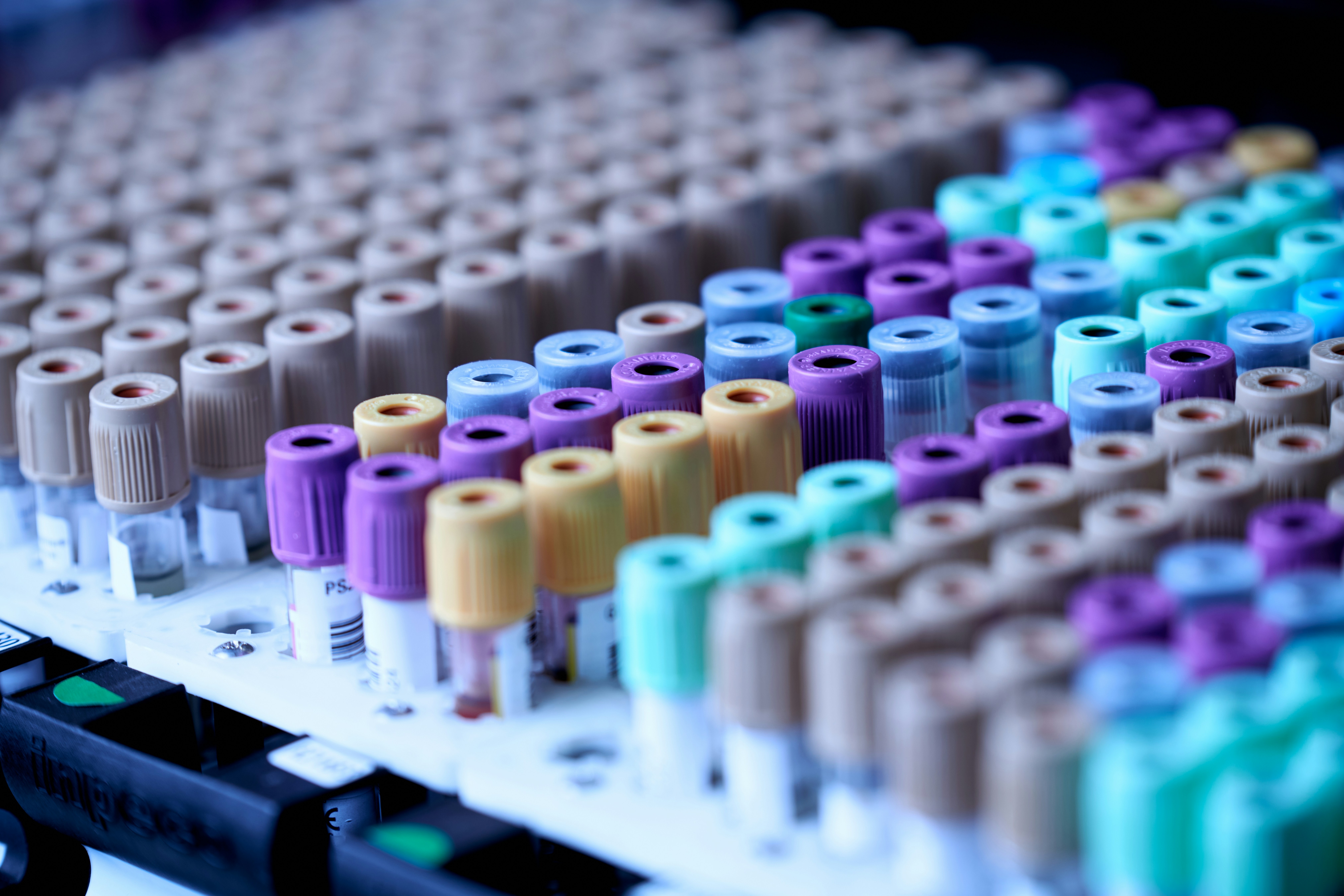
One promising breakthrough is a simple blood test that may spot early warning signs of Parkinson’s. It works by detecting tiny changes in certain molecules linked to the disease, long before tremors or stiffness start. It’s still being tested, but if proven reliable, it could mean faster diagnosis, quicker access to support, and a real shot at preventing severe symptoms.
There’s also fresh excitement around treatments that don’t just ease symptoms but aim to repair what’s gone wrong. Some approaches use lab-grown brain cells to replace damaged ones and restore dopamine — the chemical that keeps movement smooth and controlled. Others are developing implants that can deliver these cells directly into the brain in the hope of rebuilding lost connections. It’s early days, but it marks a real change in thinking — from managing decline to actively repairing damage.
What this means for people living with Parkinson’s is both simple and profound. In the short term, the daily routine stays the same — medication, physiotherapy, speech and occupational support remain essential. But in the near future, doctors will be able to diagnose Parkinson’s earlier, tailor treatments to each person’s biology, and measure success by how well people live, not just how they score on medical charts.
Of course, there are hurdles. Building global databases and testing new therapies takes time, money, and patience. Protecting people’s privacy, making sure breakthroughs reach every country, and proving long-term safety all take years of work. But the direction is clear and positive.
The future of Parkinson’s care looks more connected, more personal, and far more hopeful than before. For people and families living with the condition, that’s not just good news — it’s a sign that real change is on the way.
Comments (0)
Loading comments...