


First patient undergoes pioneering stem cell treatment for Parkinson's in Japan
November 2, 2026
 Beatrice
A woman in her fifties becomes the first person in the world to receive Sumitomo Pharma's newly approved Amchepry stem cell transplant for Parkinson's at Kyoto University Hospital in October 2026.
In early October 2026, neurosurgeons at Kyoto University Hospital performed a historic operation that marks a major milestone for regenerative medicine. For the first time outside of an initial experimental trial, a person living with Parkinson's received a newly approved stem cell therapy designed to replace lost brain cells. While international news reports shared only a brief announcement from the pharmaceutical maker Sumitomo Pharma, domestic Japanese medical reports from the Nikkei and Yomiuri Shimbun newspapers have revealed encouraging details about who received the treatment and how she is doing today.
The recipient is a woman in her fifties who underwent the surgery at Kyoto University Hospital at the beginning of October. According to hospital updates and statements from Sumitomo Pharma President Toru Kimura, her recovery went smoothly without complications. She has already been discharged from the hospital and has even returned to her job, while her medical team continues to monitor her progress closely.
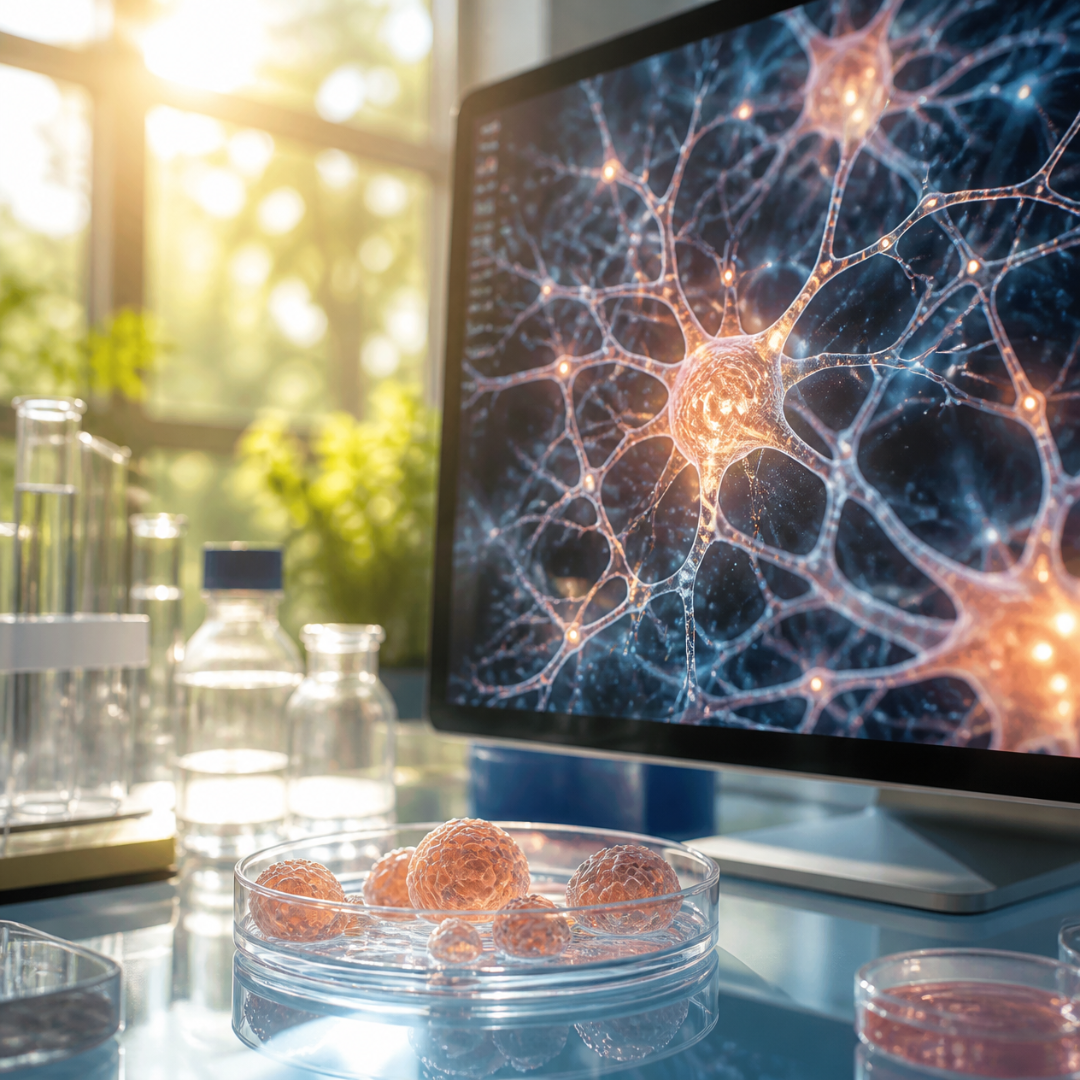
The treatment she received is called Amchepry, a regenerative medicine product developed by Sumitomo Pharma based on pioneering research from Kyoto University. To understand how Amchepry works, it helps to look at the biology behind the therapy. Scientists take mature cells from healthy donors and reprogramme them backward in time until they return to a youthful, adaptable state known as induced pluripotent stem cells, or iPS cells. In the laboratory, these versatile cells are then guided to develop into dopamine progenitors, which are the young starter cells that mature into dopamine producing nerve cells.
Using precise keyhole brain surgery known as stereotactic neurosurgery, surgeons inject millions of these starter cells directly into the putamen, a key area deep inside the brain responsible for regulating movement. Unlike standard medications such as levodopa, which temporarily top up chemical levels in the brain, the goal of this transplant is to install new living machinery that manufactures dopamine naturally on its own.
This milestone did not happen overnight. It follows a two year clinical trial conducted at Kyoto University involving seven people with Parkinson's between the ages of 50 and 69. During that trial, participants had either five million or ten million cells implanted into both sides of their brains. Over two years of careful monitoring, none of the seven participants experienced any dangerous side effects or tumour growth, and four of them showed measurable improvements in their movement symptoms.
Based on those results, the Japanese Ministry of Health, Labour and Welfare granted Amchepry conditional and time limited approval in March 2026, followed by national health insurance coverage in May 2026. In Japan, this regulatory pathway acts much like a provisional driving licence for promising medical breakthroughs. It allows doctors to offer the therapy in specialised hospitals right away while gathering wider proof of how well it works over a seven year period.
Japanese medical publications also shed light on the economics and practical rollout of this therapy. The official price set by the Japanese government for a single Amchepry treatment is around 55.3 million yen, which is roughly 280,000 pounds. However, because it is covered under Japan's national health insurance and high cost medical expense benefit system, eligible Japanese residents pay only a tiny fraction of that cost out of pocket, typically capped at a few thousand pounds.
Despite the excitement surrounding this world first operation, Japanese neurologists and Kyoto University Hospital have been admirably honest about what this treatment can and cannot do right now. Hospital officials emphasised in their local press statements that Amchepry is not a complete cure for the condition. Putting new dopamine cells into the brain helps restore movement control and smooth out motor fluctuations, which is a massive step forward for people whose standard medications are no longer holding their symptoms steady. However, it does not stop the underlying condition from affecting other parts of the nervous system, and it takes many months for the transplanted cells to settle in, grow connections, and begin producing enough dopamine to make a noticeable difference in daily life.
Furthermore, access remains strictly limited for now. To transition from conditional approval to full permanent approval within the seven year deadline, Sumitomo Pharma must track every single person treated and submit comprehensive data from at least 35 recipients. The October surgery was the very first procedure in this post approval clinical study. The company plans to treat one more person before the end of 2026, followed by around 10 people in 2027 and another 10 to 20 people in 2028. Initially, surgeries are restricted to a small network of elite Japanese medical centres, including Kyoto University Hospital, Juntendo University Hospital in Tokyo, Osaka Toneyama Medical Center, and Saitama Medical University Hospital. To prepare for wider future demand, Sumitomo Pharma has already upgraded its cell manufacturing facilities with automated filling technology that boosts production capacity tenfold.
For the global Parkinson's community outside Japan, a parallel clinical trial testing this exact same cell therapy is currently underway in the United States to satisfy American and European regulatory requirements. While it will still take several years of careful follow up before stem cell transplants become a routine option in clinics worldwide, seeing the first person undergo this approved procedure and walk back into her workplace marks the moment regenerative brain repair moved from laboratory theory into real medical practice.
Comments (0)
Loading comments...