


Magnetic Medicine: Why TMS is the Next Frontier for Parkinson’s
April 17, 2026
Transcranial magnetic stimulation (TMS) is having its moment. In the world of Parkinson’s, it is a name being spoken with increasing frequency and excitement, yet despite the growing buzz, there is still far from enough clear information available for those who could benefit from it most. While many are familiar with the standard chemical approach to dopamine, we are entering an era where we can look at the brain not just as a soup of chemicals, but as an electrical circuit that can be "re-tuned."
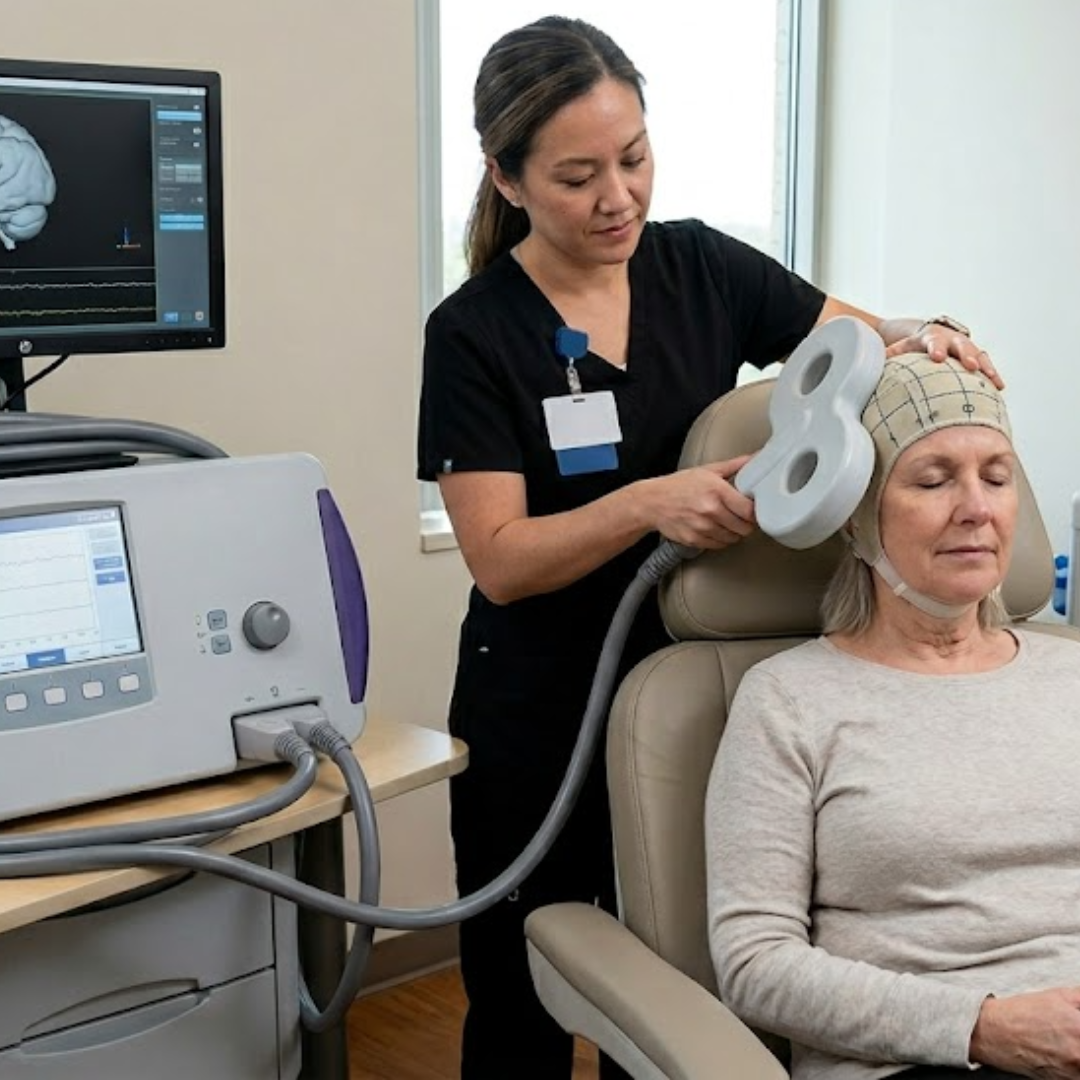
At the forefront of this shift is the Mayo Clinic, where TMS is being utilised as a non-invasive procedure that uses magnetic fields to stimulate nerve cells in the brain. The process involves placing an electromagnetic coil against the scalp, which delivers a magnetic pulse that stimulates nerve cells in the region of the brain involved in mood control and movement. Because it is non-invasive, it doesn't require surgery or anaesthesia, making it a compelling option for those looking to improve their quality of life without the risks associated with more intensive procedures.
The science behind it is fascinatingly simple yet precise. The pulses pass painlessly through the skull and reach specific areas of the cerebral cortex. At the Mayo Clinic, researchers are exploring how these magnetic "nudges" can help reset the electrical patterns that become disrupted in Parkinson’s. It is particularly effective for managing the non-motor symptoms that often go untreated, such as treatment-resistant depression and anxiety, which are common hurdles for people living with the condition. By targeting the prefrontal cortex, TMS can help lift the "brain fog" and mood heaviness that often accompany motor fluctuations.
However, the potential for TMS goes beyond mood. Clinical investigations are looking into how repetitive TMS (rTMS) can influence the motor cortex to help with the "freezing" of gait and other movement-related challenges. The idea is to improve "neuroplasticity"—the brain's own ability to reorganise itself and form new neural connections. Think of it as clearing the static on a radio station; by applying these magnetic pulses, doctors can help the brain's signals travel more clearly and effectively.
We believe there is a massive gap in the conversation regarding how electrical stimulation can complement traditional levodopa therapy. Because it is a "localised" treatment, it doesn't carry the systemic side effects that many oral medications do, such as nausea or blood pressure changes. It represents a different way of thinking about the brain—treating it as a living, electrical organ that can be prompted toward better health.
Because this is such a vital and burgeoning field, we will be looking to host an interview on No Silver Bullet 4 PD very soon to explore this further with leading experts. We want to dig deeper into the specifics of how many sessions are required, who the best candidates are, and what the long-term outlook looks like for people using TMS as part of their proactive care strategy. It is time we moved the conversation from the fringes of research to the centre of our daily management plans.
Comments (0)
Loading comments...