


Could Starting Brain Stimulation Early Change the Future of Parkinson’s?
April 8, 2025
Vanderbilt University Medical Center (VUMC) is launching a groundbreaking clinical trial aimed at slowing or halting the progression of Parkinson's disease. This initiative is led by Dr. David Charles, Vice Chair of Neurology, and Dr. Mallory Hacker, Assistant Professor of Neurology at VUMC.
Understanding the Trial
The trial focuses on the early application of Deep Brain Stimulation (DBS), a therapy traditionally reserved for advanced stages of Parkinson's. DBS involves implanting a small device that sends electrical impulses to specific areas of the brain to alleviate symptoms. By introducing DBS during the initial stages of the disease, researchers aim to determine if it can slow or even stop disease progression.
Why Early Intervention Matters
Typically, Parkinson's treatments manage symptoms without addressing the underlying disease progression. The VUMC team hypothesizes that earlier intervention with DBS might protect nerve cells from further degeneration, potentially altering the disease's trajectory.
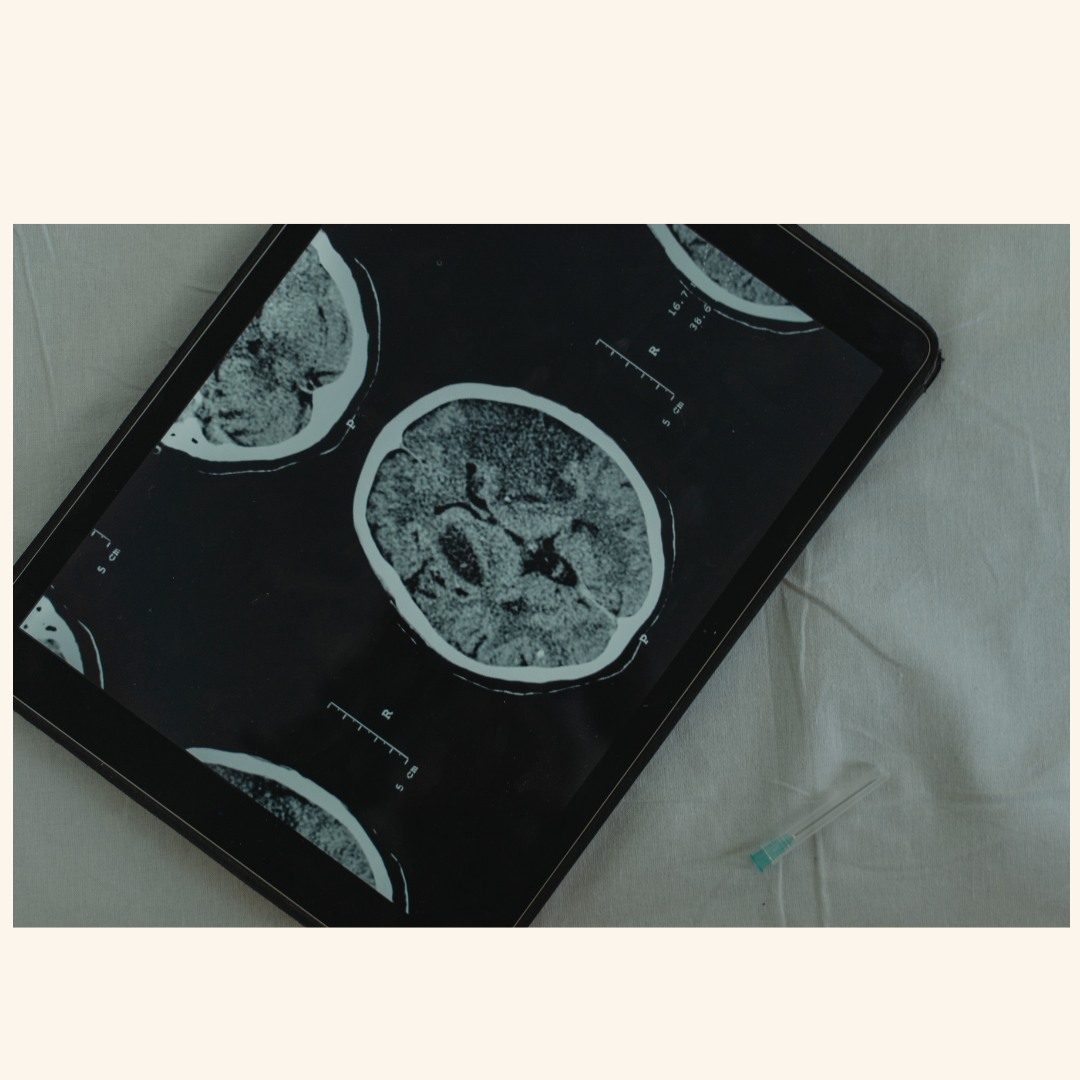
Photo: Pacific Neuroscience Ins
Building on Previous Research
This new trial builds upon earlier studies suggesting that DBS could be more effective when administered sooner. Dr. Charles and Dr. Hacker have previously explored this approach, and their findings have paved the way for the current study.
What Participants Can Expect
Eligible participants will undergo DBS surgery and receive regular follow-ups to monitor their progress. The research team will assess motor functions, quality of life, and any changes in disease progression over time.
The Bigger Picture
If successful, this trial could revolutionize Parkinson's treatment by shifting the focus toward early intervention. It offers hope for improved long-term outcomes and a potential slowdown in the disease's advancement.
Comments (0)
Loading comments...