


How the LRRK2 Gene Mutation Fires Up the Brain’s Immune Cells
October 28, 2025
A team of scientists has uncovered new clues about how a common Parkinson’s gene mutation might damage the brain — and how switching off a particular energy pathway could help protect nerve cells.
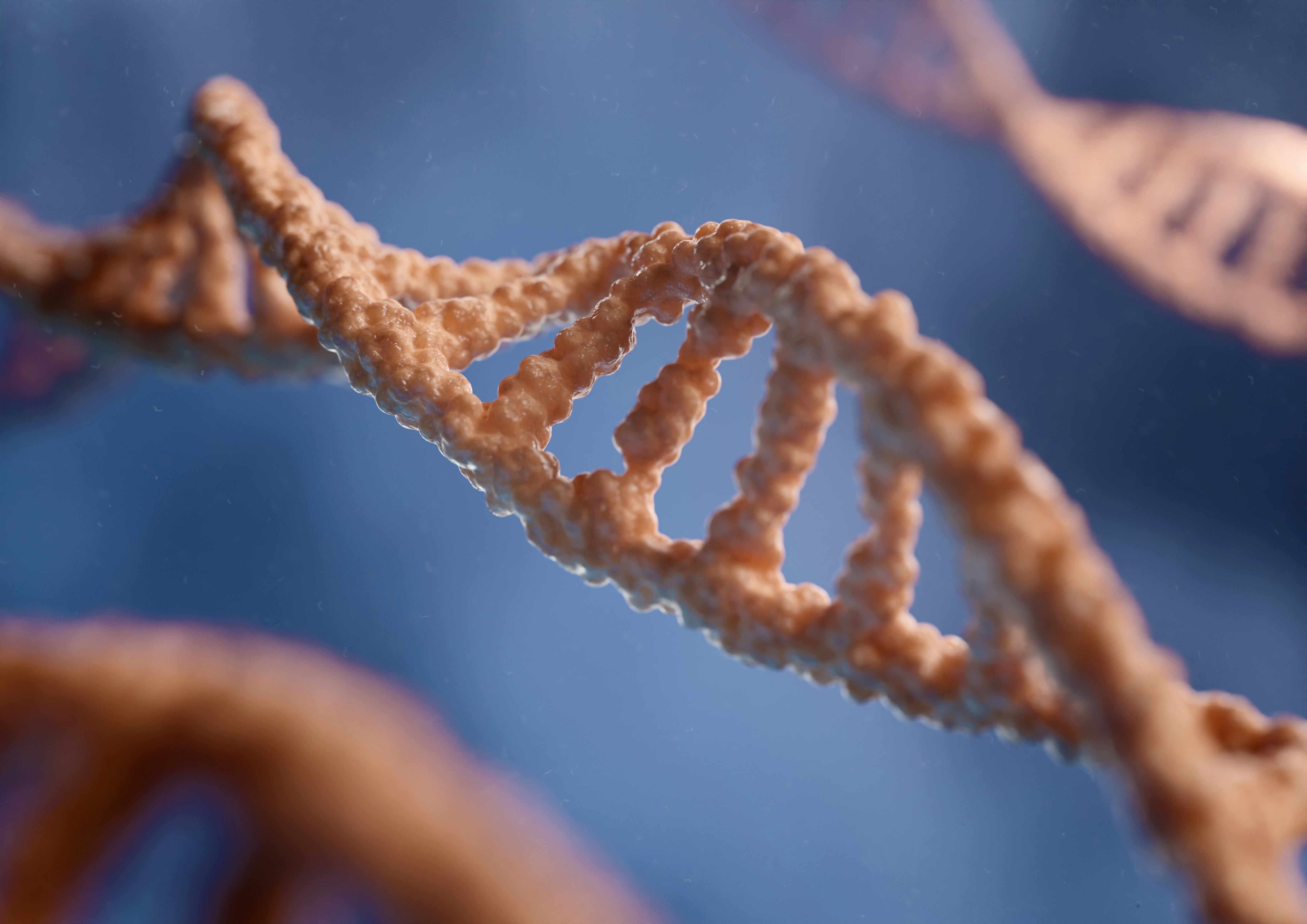
The study looked at a gene called LRRK2, which is one of the best-known genetic risk factors for Parkinson’s. A specific version of this gene, called G2019S, is known to make people more likely to develop the disease. The researchers wanted to understand how this mutation affects the brain’s immune cells, known as microglia. These tiny cells are meant to clean up waste and keep the brain healthy, but when they go into overdrive, they can end up harming the very neurons they are supposed to protect.
Using human stem cells, the scientists grew microglia carrying the LRRK2 mutation and compared them to normal ones. They found that both groups of cells developed properly, but the ones with the mutation were much more active. It was as if they were constantly on high alert. These hyperactive microglia produced more inflammatory molecules and were more aggressive in their clean-up behaviour. In Parkinson’s, too much inflammation in the brain can damage dopamine-producing neurons — the same cells that are lost as the disease progresses.
Digging deeper, the researchers discovered that the mutant microglia had changed the way they make energy. Instead of using their usual balanced mix of energy pathways, they had shifted towards glycolysis, a faster but less efficient process often used by cells under stress. At the same time, they were struggling to make enough of an amino acid called serine, which seems to play an important role in keeping brain cells healthy.
To see what this meant in practice, the scientists grew small “mini-brains” — three-dimensional clusters of human brain cells that mimic the midbrain, where Parkinson’s damage typically begins. When these mini-brains were surrounded by the overactive LRRK2 microglia, the number of dopamine-producing neurons dropped noticeably. The microglia were, in effect, creating a toxic environment.
But there was a twist. When the researchers treated the mutant microglia with oxamic acid, a compound that slows down glycolysis, the microglia calmed down. They produced fewer inflammatory molecules and behaved more like normal cells. As a result, far more neurons survived in the mini-brains.
The findings suggest that in people with the LRRK2 mutation, microglia may be harming the brain not just through inflammation but also through faulty metabolism. Correcting that energy imbalance — by blocking glycolysis or restoring proper serine production — might help prevent or slow down neuron loss.
Of course, this work is still at the laboratory stage. It has not yet been tested in animals or people, and we do not know whether the same mechanisms are at play in those without the mutation. But the results are an exciting hint that targeting microglial metabolism could become a new approach to protecting the brain in Parkinson’s.
For now, the study offers a fresh perspective. It reminds us that Parkinson’s is not only about the neurons that die, but also about the neighbourhood they live in. If the brain’s immune cells become overworked and energy-starved, they may turn from helpers into troublemakers. Finding ways to keep them balanced could prove just as important as treating the neurons themselves.
Comments (0)
Loading comments...