


Enhancing Parkinson's Disease Treatment: Using Heat and Natural Cell Processes to Deliver Levodopa Nanoparticles Through the Blood-Brain Barrier
September 16, 2024
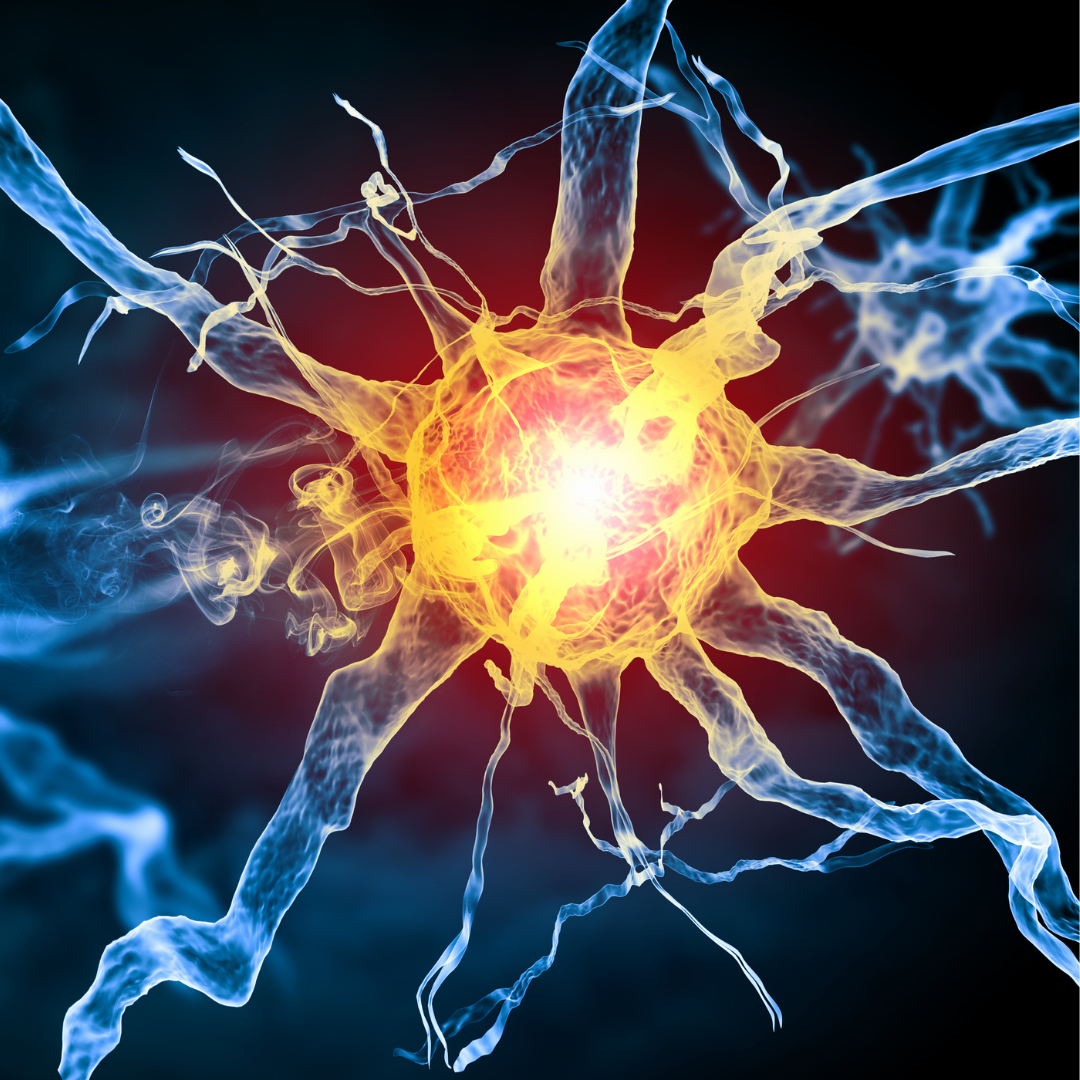
Parkinson’s disease (PD) is a brain disorder caused by the loss of dopamine-producing neurons, leading to motor problems and brain damage. One major challenge in treating PD is getting drugs like Levodopa (LD) through the brain’s protective barrier, the blood-brain barrier (BBB), without causing more damage. LD is essential for treating symptoms, but it can also cause oxidative stress, worsening the brain’s condition over time.
This study introduces a new method to deliver LD more effectively to the brain using tiny particles (nanocarriers) made from gold rods and other materials. These particles can cross the BBB thanks to a combination of heat and the brain's natural absorption processes. The particles are designed to release LD when they encounter high levels of reactive oxygen species (ROS), which are linked to oxidative stress in PD. The system reduces ROS levels, which can help protect neurons from further damage.
The researchers combined heat-based technology and a molecule (angiopep-2) that targets the BBB to safely deliver LD into the brain. Once inside, the nanocarriers release LD, where it is converted into dopamine, helping to reduce PD symptoms while protecting the brain from further damage. This innovative method has shown promise in improving motor function and protecting brain cells in a mouse model, offering hope for better PD treatments in the future.
Comments (0)
Loading comments...