


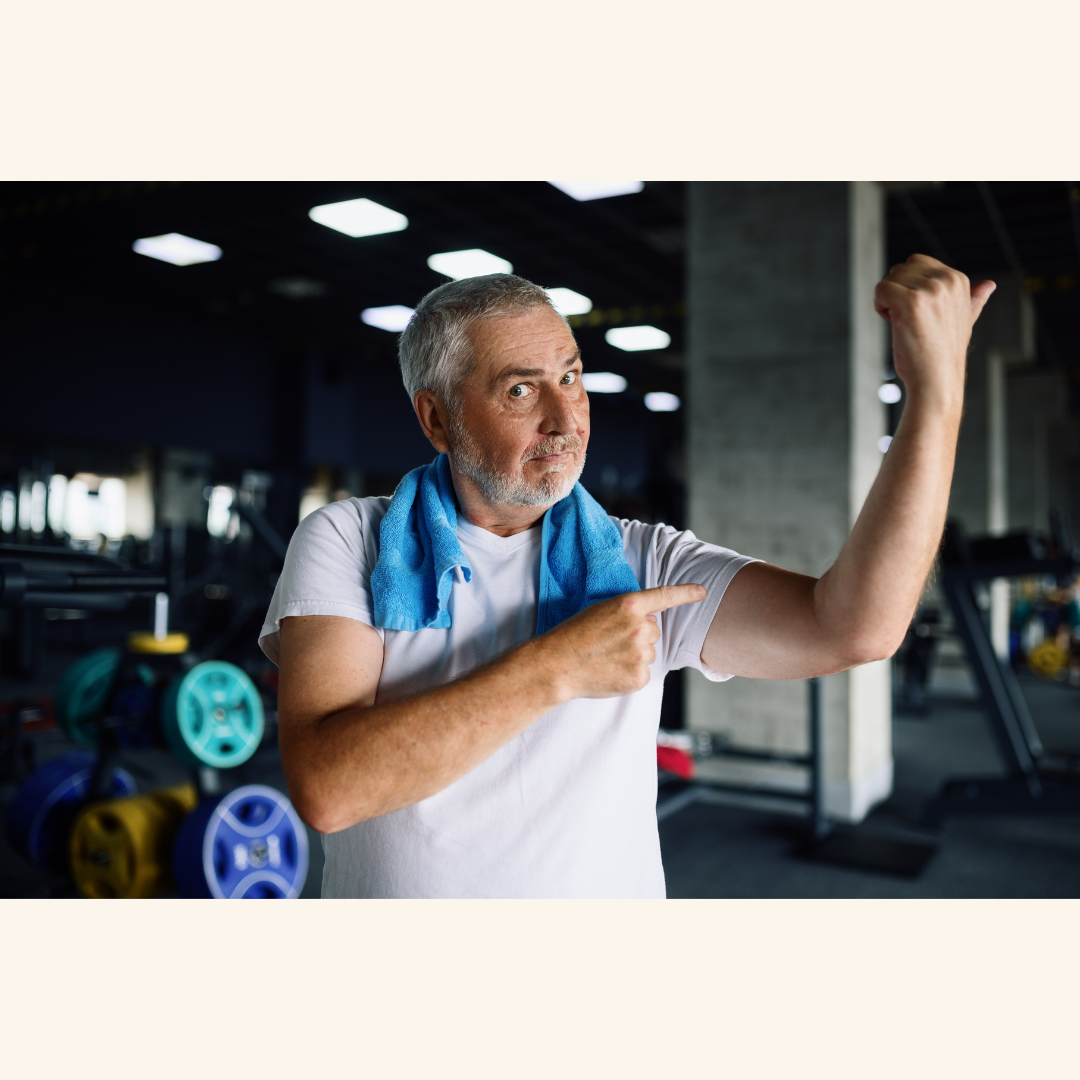
The Hidden Link Between Muscle and Dizziness in Parkinson’s
January 9, 2026
We often think of muscles purely as tools for movement—the engines that lift, walk, and carry. However, a recent study published in NPJ Parkinson’s Disease suggests that for people with the condition, muscle mass plays a critical, hidden role in keeping blood pressure stable. The research reveals a significant connection between low muscle mass and orthostatic hypotension, the sudden drop in blood pressure upon standing that causes dizziness and fainting.
The study examined over 200 individuals with Parkinson’s, measuring their body composition and monitoring their blood pressure responses. The findings were stark: those with lower muscle mass were far more likely to experience these dizzy spells. It appears that skeletal muscle acts as a natural pump, helping to squeeze blood back up to the heart and brain against gravity. When that muscle volume dwindles—a condition often called sarcopenia—this secondary pump loses its power, leaving the blood to pool in the legs and the head to spin.
This discovery is vital because it shifts the focus of treatment. Traditionally, managing this dizziness has involved increasing salt intake, wearing compression stockings, or adjusting medications. While these remain important, this new evidence points to a more proactive solution: strength training. Preserving and building muscle is no longer just about staying mobile; it is potentially a non-pharmaceutical strategy to keep blood pressure steady and reduce the risk of falls.
The researchers also noted that this issue creates a vicious cycle. Dizziness discourages people from exercising, which leads to further muscle loss, which in turn worsens the dizziness. Breaking this loop is essential. The study highlights that maintaining muscle tone is not merely about physical strength; it is a physiological necessity for maintaining balance and preventing the debilitating light-headedness that affects so many.
For the Parkinson’s community, the message is empowering. Exercise is often prescribed for flexibility and motor control, but this research adds a compelling new motivation. Lifting weights or engaging in resistance training could be acting as a direct counter-measure to one of the most troublesome non-motor symptoms of the condition, literally pumping vitality back into the system.
Comments (0)
Loading comments...