


Acupuncture, IV Vitamins, and Food Timing: Making Complementary Care Work with Your Parkinson’s Plan
September 4, 2025
Can acupuncture help with tremors? Are vitamin infusions effective or just a trend? How can naturopathic and conventional care work together safely?
Join Dr. Sanjay Mohan Ram, Naturopathic Physician, as he separates fact from myth and explores evidence-based complementary therapies for Parkinson’s in recent presentation for Parkinson Society British Columbia.
The first thing Dr. Sanjay Mohan Ram makes plain is that “integrative” isn’t code for unproven. His approach is to separate what’s plausible and evidence-aligned from what’s trendy, and then fit it to the person in front of him. Two people can have the same diagnosis and need very different plans. One may be wrestling mainly with movement and constipation, another with sleep and mood. That changes how you eat, how you time medicines, and whether you lean more on acupuncture, physical therapy, supplements, or all of the above.
Nutrition is where most people start, and also where myths live. The goal is not a perfect diet—it’s less background inflammation, steadier energy, and fewer clashes with medication. Colorful plants and “clean” proteins make sense because they’re dense in antioxidants and micronutrients and lighter on residues you don’t need. If levodopa is in the picture, he often asks patients to watch the timing and size of protein because large protein loads can compete with the drug for transport. Many people feel better spacing bigger protein portions away from dose times. Constipation is a quality-of-life issue that quietly sabotages everything else; the fix is usually boring and effective: fluids, daily movement, and both types of fiber. Some people do better with raw salads and crunchy fruit, others with soups and stews—what matters is what your gut tolerates.
Guessing at food triggers is frustrating, so he prefers testing for delayed-type (IgG-style) food sensitivities when the history points that way. If a couple of foods are stirring up inflammation or gut symptoms, removing just those can help absorption and comfort without shrinking your menu to nothing. He’s also blunt about ultra-processed foods and hidden sugars. Read the labels and you’ll see how often sugar sneaks into sauces, meats, and “healthy” snacks. High-fructose corn syrup is easy to avoid in theory and annoyingly common in practice. Artificial sweeteners are complicated—some people use them to manage blood sugar, but they can disrupt the microbiome and, depending on type and timing, may tangle with drug transport. If they aren’t essential, he often suggests stepping away, at least during a trial period, and seeing if sleep, gut comfort, or medication reliability improve.
People ask about green tea and get a practical answer. Three cups a day is fine for many; just remember it contains caffeine. What you’re after is EGCG, the antioxidant, and L-theanine, which can support calm focus and, indirectly, sleep quality if you keep it earlier in the day.
On supplements, the headline is not “take everything.” It’s “match the tool to the job and the timing to your medicine.” Curcumin shows up often because inflammation and protein clumping pressures are very real; fish oil is there for membrane health and a steadier inflammatory tone, with a strong emphasis on medical-grade products that are filtered for contaminants. Vitamin D gets checked and corrected because it touches bone, immune, and mood pathways; it’s typically paired with K2 and calcium as indicated. CoQ10 makes sense if you think in terms of mitochondria—the tiny power plants inside cells that run around the clock in the brain and heart. Classic antioxidants like vitamins C and E are still useful.
When the topic turns to glutathione, the body’s main intracellular antioxidant, he talks pathways rather than promises. N-acetylcysteine can supply building blocks; some clinics use intravenous glutathione to bypass digestion and aim straight at tissues. Alpha-lipoic acid is another workhorse, and it seems to pair well with acetyl-L-carnitine for mitochondrial support—the two together can be more than the sum of their parts. NAD infusions get attention because they’ve become popular. NAD is an active form of vitamin B3 central to energy production; some people report better clarity, mood, and movement afterward. It isn’t for everyone, and it’s not magic, but it’s part of the modern toolkit. The quiet truth underneath all of this is that the nervous system is a team sport: when you replenish B vitamins, you generally replenish the whole complex, not just one star player.
There are hard stops. Mucuna pruriens, an herbal source of levodopa, cannot be layered casually on top of prescribed levodopa. That’s how you overshoot and ruin your day. Likewise, amino-acid therapy aimed at nudging neurotransmitters requires tight coordination with medicines. This is where a clinician fluent in both prescriptions and nutraceuticals earns their keep—correct dose, correct timing, no friendly fire.
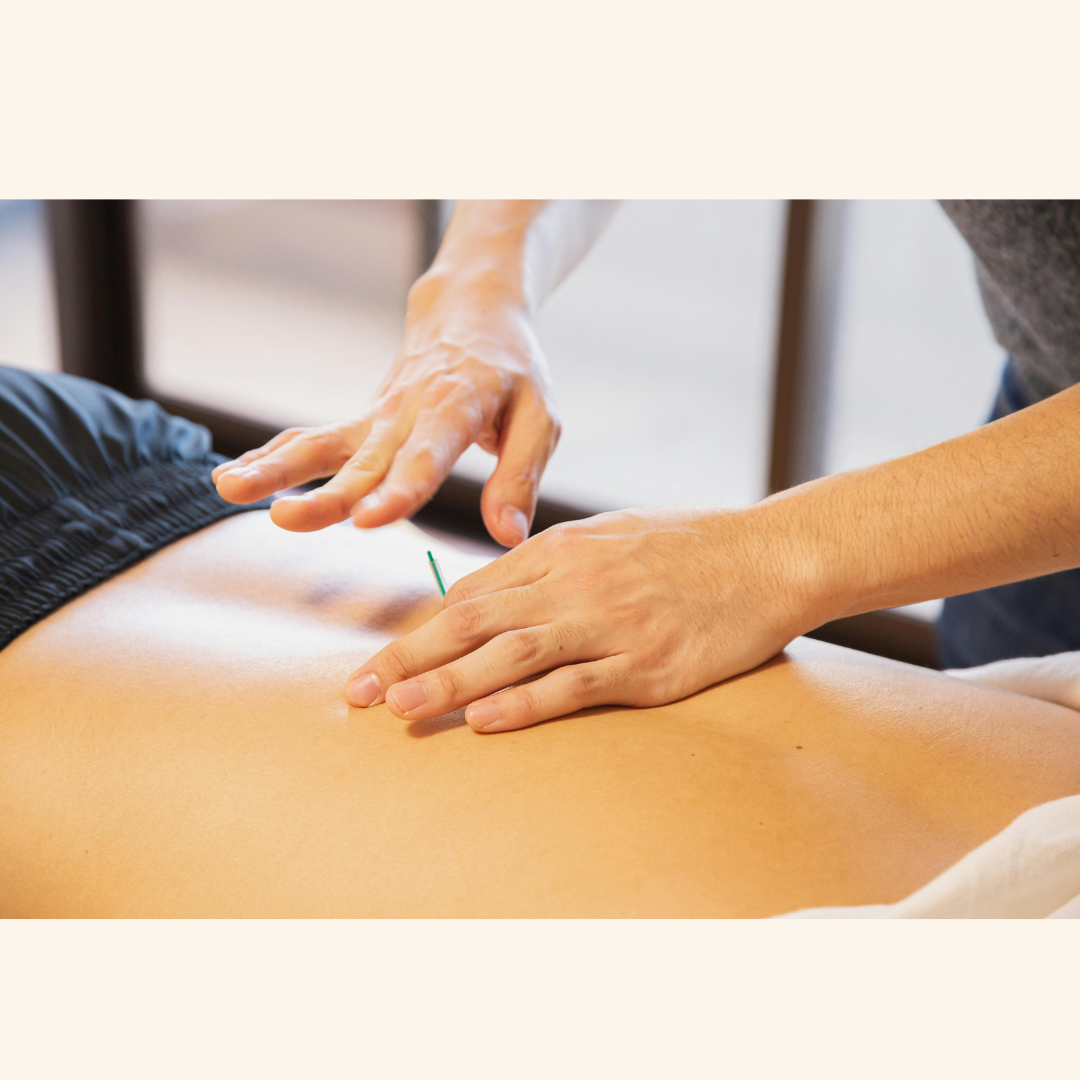
Acupuncture is one of the more common questions: can it help with tremor, stiffness, pain, anxiety, or sleep? The way he frames it is practical and individualized. In Chinese medical terms you’re modulating “wind,” “phlegm,” or blocked flow; in modern terms you’re nudging pain pathways, autonomic balance, and muscle tone. He doesn’t sell a one-point cure. Point selection changes with the person—some points are near the scalp or spine when central regulation is the goal; others live on the limbs when muscle tone or pain dominates. People who do best tend to come regularly for a defined course, track concrete goals like sleep onset, shoulder stiffness, or morning tremor intensity, and combine the needles with movement therapy. If you like numbers, think in blocks of sessions with a review at four to six weeks: am I sleeping faster, moving easier, or feeling less clenched?
Vitamin infusions are another lightning rod. The sensible version here is IV as a delivery method when the gut is a bottleneck or when you want a defined trial with measurable goals—clearer energy windows, steadier mood, fewer off periods—not as a wellness ritual. Glutathione, ALA, NAD, and B-complexes show up in various combinations. Safety is screening, sterile technique, conservative dosing, and honesty about what’s established versus exploratory. If you take anticoagulants, have heart or kidney disease, or a history of reactions, you don’t start this without your main prescriber in the loop.
Hormones and metabolism get a quieter but important paragraph. As years pass, testosterone, estrogen, progesterone, and DHEA shift. When fatigue, low mood, muscle loss, or poor sleep drive symptoms, checking and rationally supporting hormones and insulin sensitivity can move the needle. No one is claiming a fix; the point is that these levers change the effort required to feel okay.
Movement isn’t negotiable. It doesn’t need to look like a gym. Work with a physiotherapist on gait, posture, cueing, and fall strategies. Tai chi earns its reputation slowly—balance and confidence grow together when you move with intent. The pool is kind to joints and unforgiving to excuses; twenty minutes of water aerobics is often more doable on a stiff day than a walk on concrete. Massage and osteopathic work loosen the armor that stiffness builds, and that makes home exercise more likely to happen.
People also ask the safety question that matters most: how do you combine naturopathic and conventional care without tripping over yourself? The answer is coordination. Create a shared schedule that respects medication timing, especially around levodopa and protein, iron, or amino acids. Put supplement start dates on the calendar the way you would new prescriptions, so you know what did what. Share lab results. Decide in advance how you’ll judge success: better sleep onset by thirty minutes, fewer freezing episodes in the kitchen, less shoulder rigidity when dressing, steadier mornings between doses. Then give the plan long enough—and only long enough—to show you a signal.
There’s one other thread he weaves in and out of the talk that’s easy to miss because it isn’t a product. Reduce exposures where you reasonably can. You can’t rewind the 1970s, but you can wash produce well, choose organic where it matters most to you, ventilate when you paint, and be mindful with solvents if you still work with them. Small frictions like that don’t change headlines. They do, however, lower the background noise your brain has to fight through.
If you sum up his message, it’s this: don’t chase miracles; build margins. Eat and time meals so medicines work better. Move every day in a way your body can accept tomorrow. Use supplements like tools, not talismans. Consider acupuncture and IVs when there’s a clear goal and a clinician willing to own the plan and the follow-up. Keep your main prescriber in the conversation so the parts amplify one another instead of colliding. That isn’t flashy, but it’s how people string more good days together.
Comments (0)
Loading comments...