


Transcranial magnetic stimulation shows real promise as a non-invasive tool to help manage Parkinson’s movement symptoms and spark positive changes in brain wiring
July 8, 2026
A comprehensive review published in the journal Brain Structure and Function has explored how a non-invasive brain stimulation technique called transcranial magnetic stimulation, or TMS, could offer a helpful way to manage Parkinson's. Because Parkinson’s alters how brain networks communicate, researchers have been looking closely at how targeted magnetic pulses can gently reset these pathways without the need for surgery or extra medication.
The review looked at the biological changes that happen in the brain after the therapy, alongside how well it works for people in daily life.
How magnetic pulses whisper to brain cells
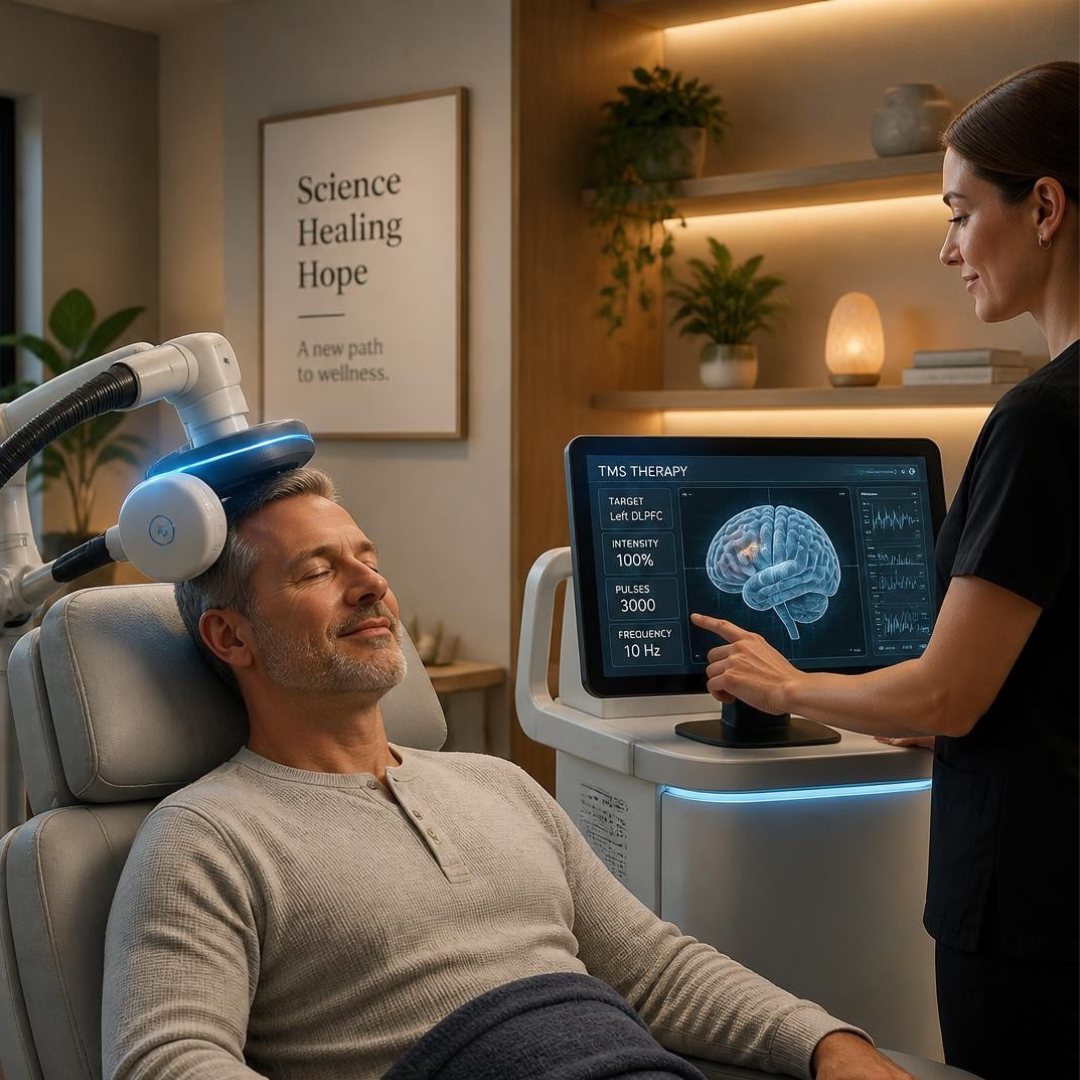
TMS works by placing a magnetic coil against the head. This coil sends brief, painless magnetic pulses through the skull to reach specific areas of the cortex, which is the outer layer of the brain. These pulses create tiny electrical currents that encourage brain cells to fire or quieten down, depending on how the machine is set up.
When researchers look at what happens inside the brain after a session, they see positive changes in neuroplasticity, which is the brain's natural ability to reorganise and repair its connections. The magnetic stimulation can alter the release of crucial chemical messengers like dopamine and glutamate, which are essential for smooth movement and communication between brain cells. It also boosts protective proteins in the brain that help grow and maintain healthy pathways.
Tailoring the treatment for better movement
The review highlights that the effectiveness of the therapy depends heavily on how the pulses are delivered. Doctors can alter the speed, strength, and exact target of the magnetic waves.
High frequency pulses are generally used to stimulate and wake up sluggish brain areas, whereas low frequency pulses help calm down overactive regions. A quicker variation called theta burst stimulation delivers rapid bursts of pulses that mimic the natural rhythms of the brain, achieving excellent results in a fraction of the time.
By targeting the areas of the brain responsible for planning and executing actions, this treatment has shown a genuine ability to reduce stiffness, ease tremors, and improve walking speed. Because it is safe, lacks drug interactions, and carries minimal side effects, it is becoming a highly valuable option for long-term care.
Looking ahead to personalised care
While the evidence shows clear benefits for movement and well-being, everyone's brain is wired slightly differently. Researchers note that the next big step is using advanced brain imaging and artificial intelligence to map out each individual's unique brain networks. This will allow doctors to target the magnetic pulses with absolute precision, ensuring that each person receives the maximum possible benefit from their sessions.
Note: This image was generated by AI to illustrate the article, and does not show actual transcranial magnetic stimulation therapy.
Comments (0)
Loading comments...