


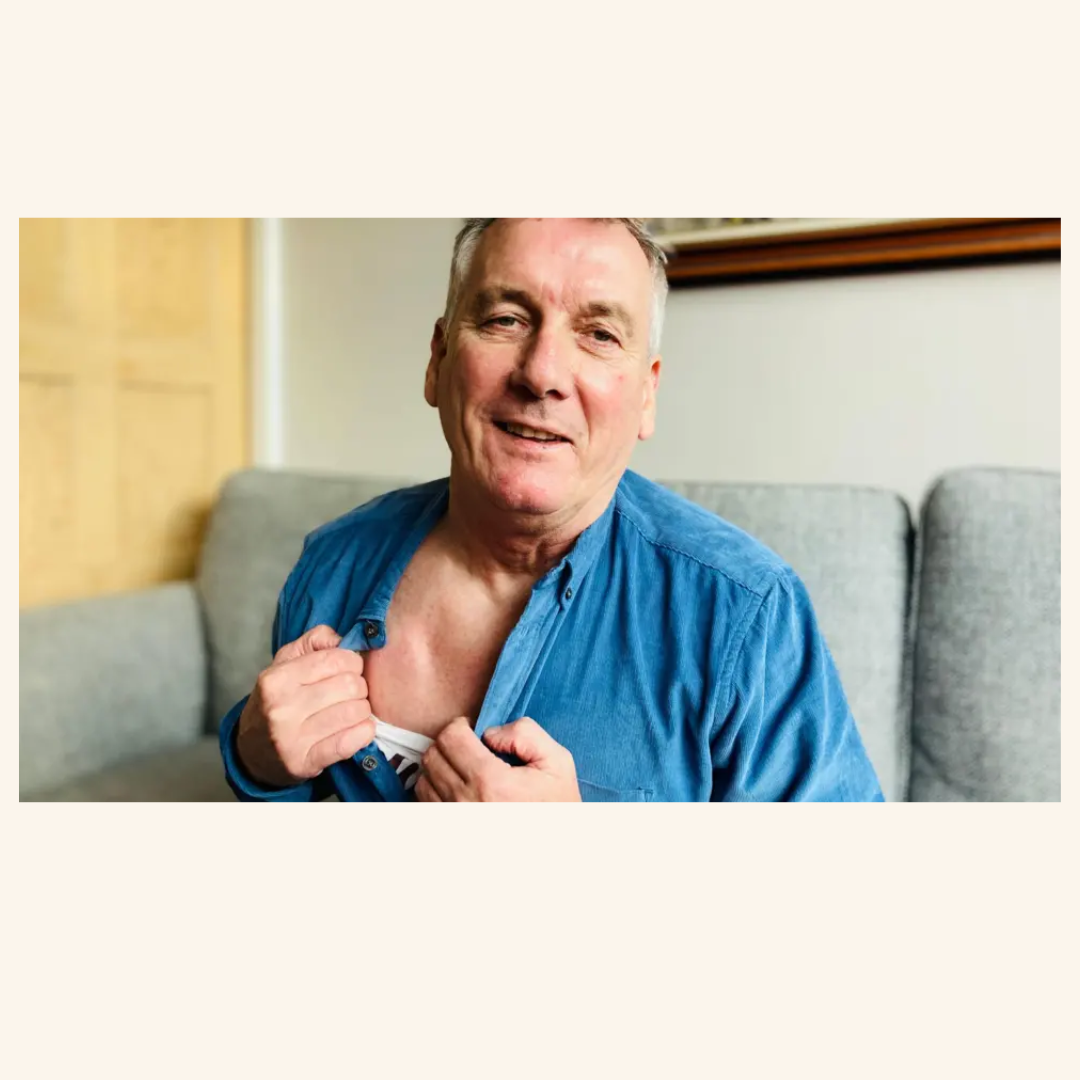
Parkinson's patient 'feels cured' with new device
January 29, 2025
A revolutionary brain implant is transforming the life of Kevin Hill, a 65-year-old man from Sunderland living with Parkinson’s disease. Thanks to a pioneering device called adaptive deep brain stimulation (DBS), Kevin says he sometimes forgets he even has the condition.
The implant, developed by Medtronic and offered at Newcastle Hospitals, constantly monitors brain activity and adjusts electrical impulses in real time, providing better symptom control than previous DBS devices. Kevin describes the system, which is connected to wires in his brain via a small computer in his chest, as being about the size and shape of a “Jaffa Cake.”
A Life-Changing Transformation
Kevin first noticed Parkinson’s symptoms in his 40s, experiencing tremors, nightmares, and severe insomnia. By the time he was diagnosed in 2017, his shaking had become so severe that his wife banned him from the kitchen after he cut off the tip of his finger.
When he was offered DBS surgery, he jumped at the chance. Traditional DBS implants send electrical signals to a tiny region of the brain to help control movement issues, but they required frequent hospital visits for reprogramming.
Kevin’s new adaptive DBS system takes things a step further—it automatically adjusts stimulation based on his brain’s activity, making treatment more responsive to his symptoms. The moment his device was switched on, his tremors stopped instantly. "I stared at my still hand and couldn’t believe it," he said, as his wife burst into tears.
Regaining Independence
Since receiving the implant, Kevin’s life has dramatically improved. He can now sleep through the night, go out with friends, ride his bike, and even return to the kitchen.
Neurosurgeon Akbar Hussain, who helped introduce the technology in Newcastle, explains:
"The device constantly reads brain signals and adjusts treatment accordingly—sometimes by the minute or hour—ensuring each patient gets exactly what they need."
Experts believe this next-generation DBS could significantly enhance quality of life for Parkinson’s patients. Dr Becky Jones from Parkinson’s UK describes it as a major step towards a more personalized and effective treatment.
A Hopeful Future
Parkinson’s disease affects around 153,000 people in the UK, with numbers expected to rise due to an ageing population. While there is still no cure, innovations like adaptive DBS offer new hope for better symptom management and greater independence for those living with the condition.
Photo: BBC; Kevin Hill said he is able to go for days now without thinking about his Parkinson's
Comments (0)
Loading comments...