


Updates on Deep Brain Stimulation, including adaptive DBS
July 24, 2025
 mister green
Deep Brain Stimulation (DBS) is often called the most effective treatment for Parkinson’s after medication. But what does it really involve, and who is it for? Here’s a straightforward explanation based on a recent expert webinar Hengameh Zahed, MD, Stanford movement disorder specialist.
What is DBS?
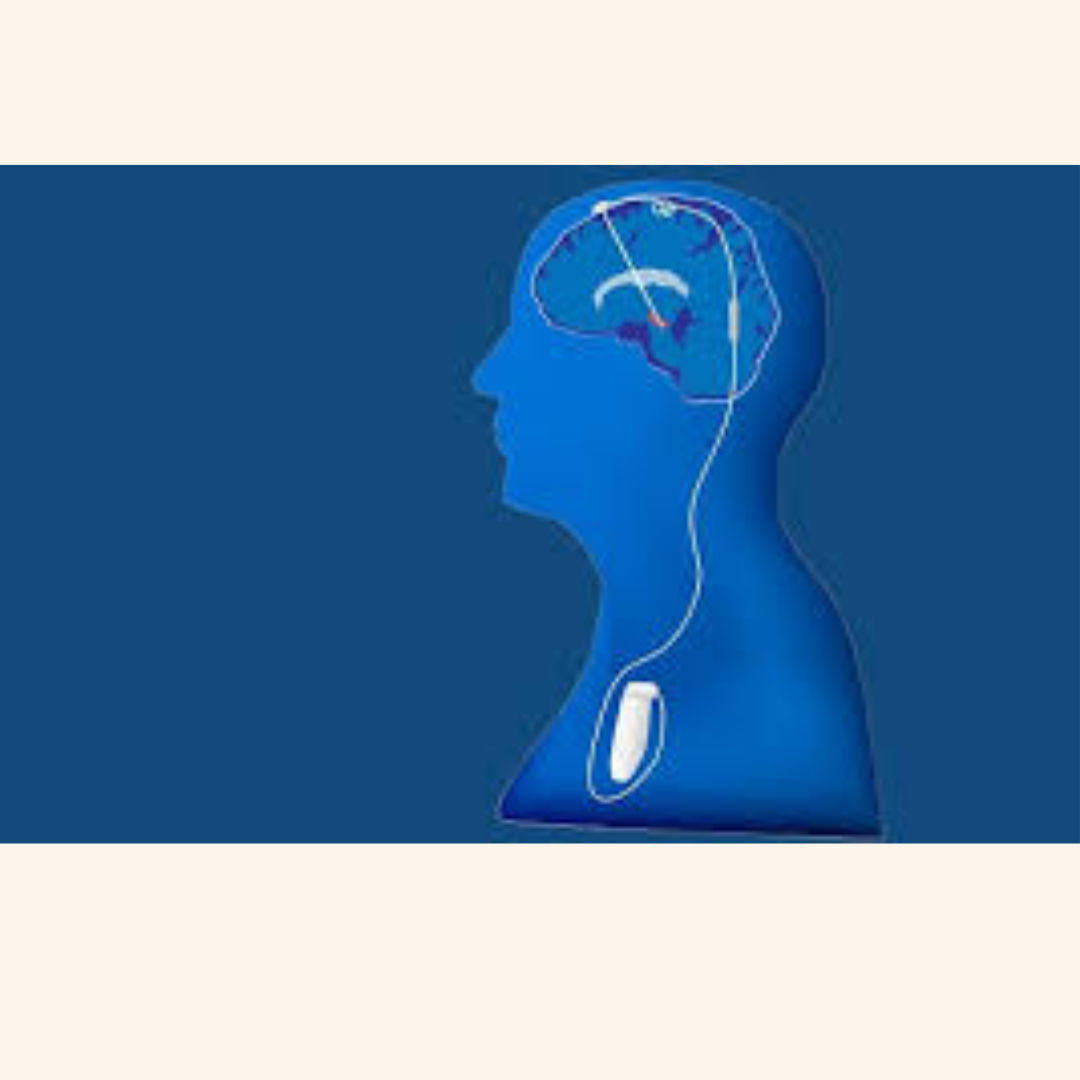
DBS is a surgical treatment for Parkinson’s symptoms. It involves placing thin wires (electrodes) into specific parts of the brain. These wires are connected to a small device, a bit like a pacemaker, which is implanted in the chest. This device sends tiny electrical pulses to help manage motor symptoms like tremor, slowness, stiffness, and “off” periods when medication isn’t working well.
DBS does not cure Parkinson’s, and it doesn’t stop the disease from progressing. But it can significantly improve quality of life for people whose symptoms are no longer well controlled with medication alone.
Who Can Benefit?
People considered for DBS usually:
Have had Parkinson’s for several years
Still respond to levodopa (the main PD medication)
Have noticeable motor fluctuations or tremor that’s difficult to manage
Do not have significant memory or thinking problems
A thorough assessment is needed before DBS can be offered. This includes memory tests, brain scans, and consultations with a team of specialists (neurologist, neurosurgeon, psychologist, and DBS nurse). One key part of the process is testing your response to levodopa — if your symptoms improve well with medication, DBS is more likely to help.
How is the Procedure Done?
The surgery is usually done in two steps. First, the electrodes are implanted in the brain — often while the person is under general anaesthetic (asleep), though in some centres it’s done while awake. A few days later, the stimulator (the device that delivers pulses) is implanted in the chest and connected to the brain wires.
Once healed, the DBS device is switched on and carefully programmed over time. Adjustments are made during regular appointments to find the best settings for each person’s symptoms.
What Does It Help With?
DBS is most effective for:
Tremor
Slowness (bradykinesia)
Stiffness (rigidity)
Motor fluctuations — “on/off” periods
It does not help with symptoms like balance problems, speech issues, or thinking and memory difficulties. In some cases, side effects like mood changes or speech problems may occur — usually temporary and adjustable.
What’s New in DBS?
Recent improvements include:
Directional leads: These allow more precise stimulation of brain areas.
Rechargeable devices: Some implants no longer need battery replacements every few years.
Adaptive DBS (aDBS): A newer form of DBS that automatically adjusts stimulation in real time based on brain signals. It’s still in development but holds promise for more consistent symptom control.
Things to Consider
DBS isn’t a quick fix. It requires surgery, recovery time, and ongoing follow-up to adjust settings. But for the right person, it can offer dramatic improvements in motor symptoms and overall daily life.
If you’re curious whether DBS might be right for you, speak to your Parkinson’s nurse or neurologist. You’ll need to be referred to a specialist centre for full evaluation.
Comments (0)
Loading comments...