


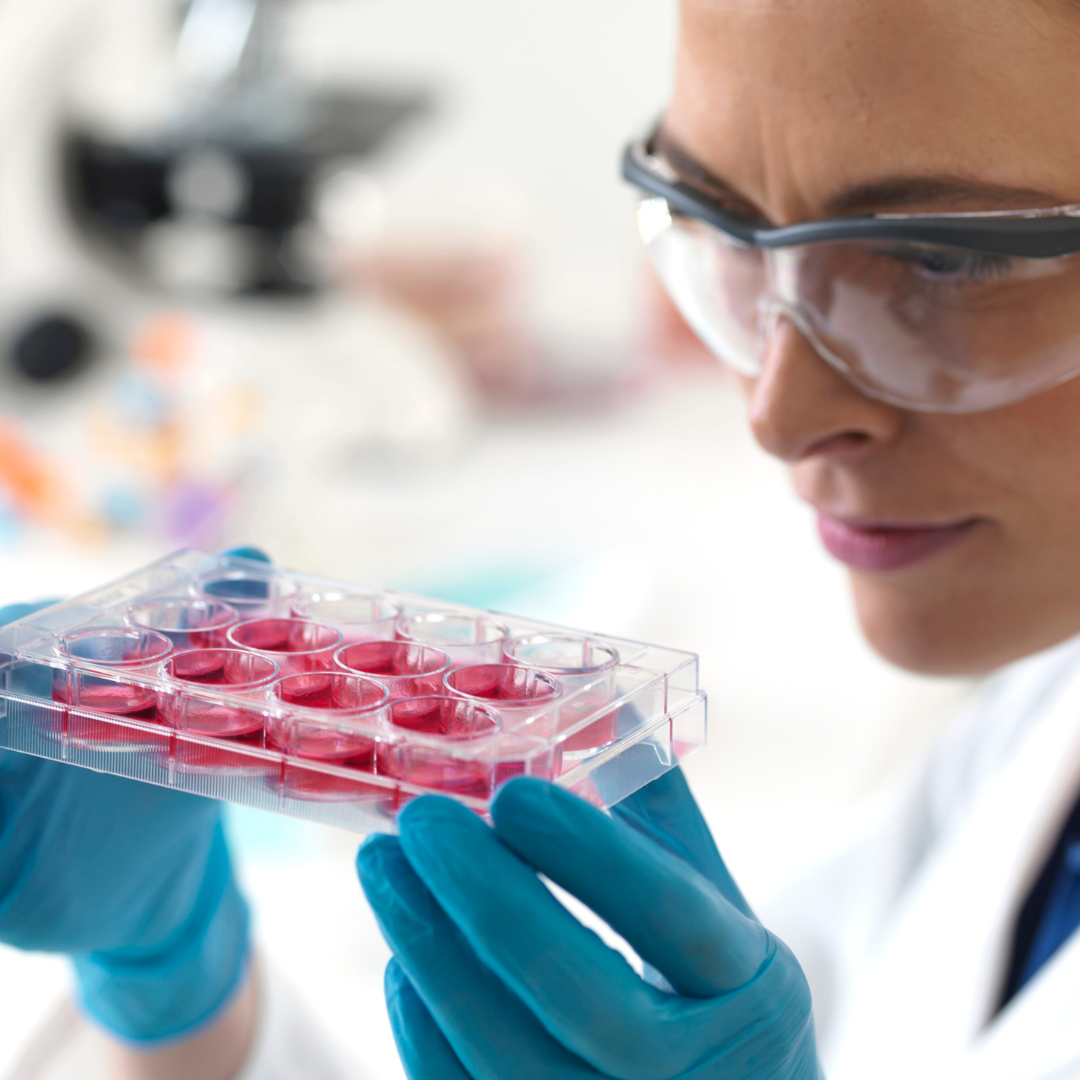
Australia is investing $4.6 million into its own groundbreaking Parkinson’s program to pioneer "cloaked" stem cells
July 6, 2026
 Beatrice
The recent announcement of a $4.6 million, five-year funding package via the Australian Government’s Medical Research Future Fund (MRFF) has sparked massive interest. This program officially moves preclinical breakthrough science into a Phase I clinical trial pipeline to transplant lab-grown neurons into patients with Parkinson's disease.
To truly understand what this means, we have to look directly at the science published in Cell Stem Cell00098-0) and unpack why a domestic program is essential for Australians, even if international superpowers seem further ahead.
The Underlying Study: A "Cloaked" Stem Cell Graft
The foundation for this entire program is a study titled "A cloaked human stem-cell-derived neural graft capable of functional integration and immune evasion in rodent models", led by Professor Clare Parish at The Florey Institute alongside researchers from Monash University, the University of Melbourne, and the University of Sydney.
The Problem with Standard Stem Cells
In standard stem cell transplants, the major barrier is transplant rejection. Because the transplanted cells come from a foreign line, the host immune system immediately recognizes them as invaders and attacks them. To prevent this, patients must undergo intensive, long-term or lifelong immunosuppression regimens. These drugs carry harsh side effects, including severe kidney stress and vulnerability to life-threatening infections.
The Australian "Cloaking" Innovation
Professor Parish’s team resolved this by genetically engineering a "universal" human master pluripotent stem cell line. They modified the cells to overexpress eight distinct immunomodulatory transgenes.
How it works: These genetic modifications essentially serve as a biological "cloaking device." The engineered cells actively suppress the local immune pathways that normally signal a foreign attack.
The results: When these cloaked cells were differentiated into dopamine-releasing neurons and transplanted into rodent models of Parkinson's disease, they successfully survived, integrated functionally into the brain tissue, and reversed motor deficits—all without any immunosuppressive drugs.
The upcoming MRFF-funded program will transition this precise cloaking technology from the lab into first-in-human Phase I trials, to be led by Associate Professor Andrew Evans at the Royal Melbourne Hospital and the Alfred Hospital.
Why Developing This Locally Matters for Australia
It is a well-established fact that the US, Japan, and China have poured billions into stem cell frameworks and are technically "years ahead" in human clinical trial timelines. However, relying on them to supply treatments creates severe barriers to care.
Bypassing Long Regulatory Delays
If Australia sits out of the developmental race, local patients must wait for a foreign treatment to clear its own domestic hurdles (like the US FDA or Japan’s PMDA). Following foreign approval, a therapy must then clear the Australian Therapeutic Goods Administration (TGA) and undergo separate price negotiations for public funding. Running the clinical trials natively at the Royal Melbourne Hospital means building the safety data and regulatory frameworks inside Australia concurrently, slashing years off the wait time for local deployment.
The Pricing and Affordability Crisis
Advanced therapeutics developed exclusively by overseas pharmaceutical giants are commercialized at astronomical premiums to recoup global R&D costs. Gene and cell therapies emerging from the US routinely hit the market at price points scaling from hundreds of thousands to millions of dollars per dose.
Developing the science, manufacturing pipelines, and clinical trials within Australian borders keeps the intellectual property domestic. This grants the Australian government massive leverage to regulate production costs and ensure the therapy can be affordable and integrated into public healthcare pipelines like the Pharmaceutical Benefits Scheme (PBS), rather than existing as an out-of-reach luxury import.
Solving the Cryogenic Supply Chain Nightmare
Living neural cells are not stable, inert compounds; they are fragile biological materials that require highly complex handling. Shipping cryopreserved living cells across long international flights from facilities in the US or Japan introduces severe logistical vulnerabilities. Transport delays, temperature fluctuations, and customs red tape can rapidly degrade a batch, leading to therapy failure. By utilizing local manufacturing networks across Victoria and New South Wales, the program guarantees a seamless, high-quality, cold-chain delivery system directly from the laboratory to the regional surgical theater.
Moving Beyond the Immunosuppression Barrier
Crucially, many of the advanced trials currently running in the US and Japan still rely on patient-specific matchings or require heavy immunosuppression protocols. Australia's "off-the-shelf" cloaked cell line targets a fundamentally different biological solution. By creating a universal line that naturally evades the immune system, the Australian program aims to deliver a therapy that is entirely free from the massive secondary healthcare costs, frequent blood monitoring, and clinical complications tied to lifelong anti-rejection medications.
Comments (0)
Loading comments...