


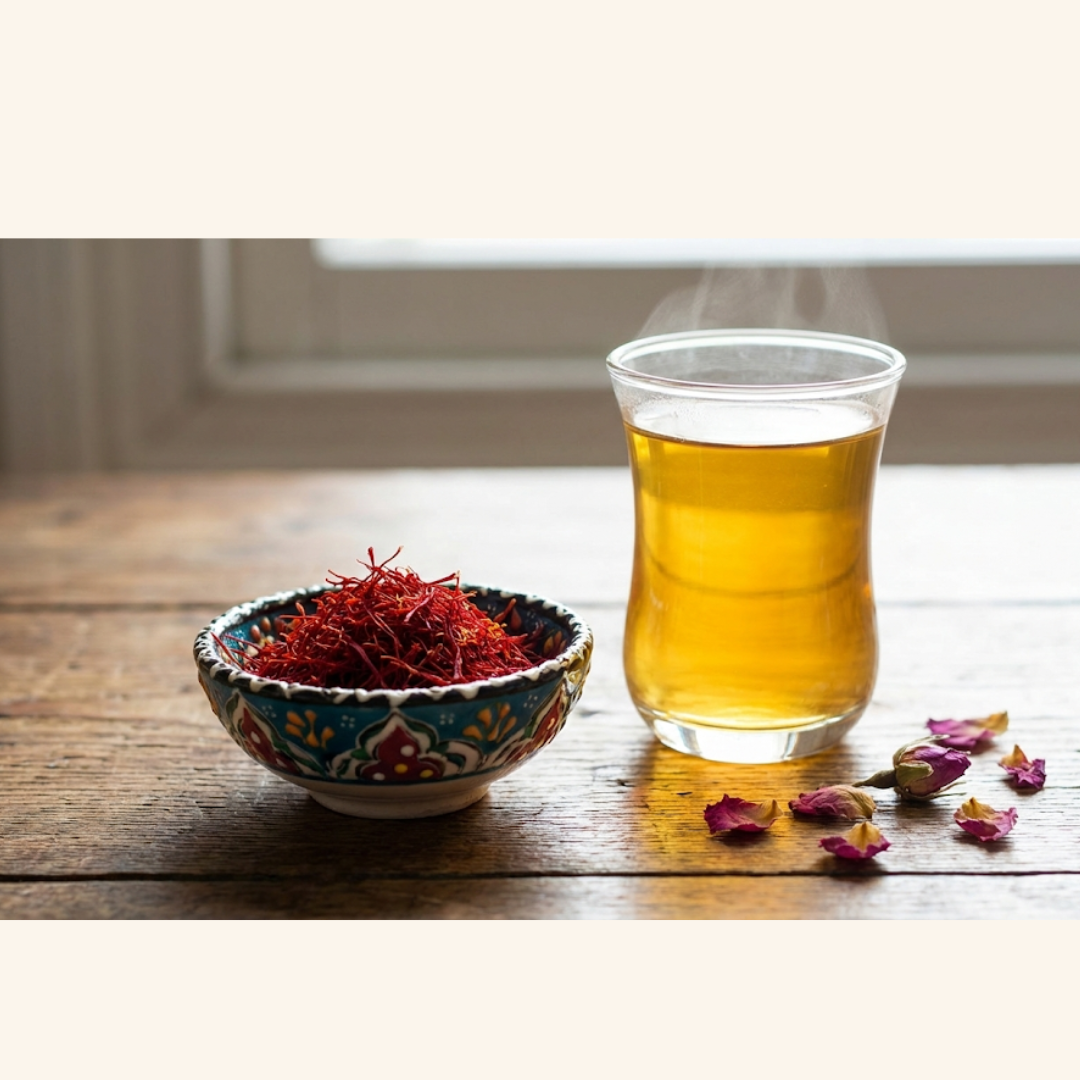
The Saffron Surprise: Why the World’s Most Expensive Spice Might Be Your Brain’s New Best Friend
December 29, 2025
It is usually reserved for fancy paellas or that one expensive risotto you make when trying to impress dinner guests. But according to a fascinating new study published in the journal Food & Function, Saffron might be doing a lot more than just making your rice look pretty. It turns out this "red gold" could be a serious heavyweight in the fight against Parkinson’s symptoms.
Researchers at Isfahan University of Medical Sciences decided to look past the medicine cabinet and into the spice rack. They ran a rigorous "triple-blind" clinical trial (which is science-speak for "super reliable") with 92 people who have Parkinson’s.
For 12 weeks, half the group took a placebo, and the other half took 100mg of saffron powder daily.
The results were frankly a bit stunning. The saffron group didn't just report feeling "a bit better"—their blood tests proved it. They showed a significant drop in C-reactive protein, which is the body’s main alarm bell for inflammation.
More Than Just a pretty Colour: But it wasn't just about blood markers. The people taking saffron reported improvements that actually matter in daily life:
- Sharper Minds: Cognitive performance went up.
- Better Moods: Anxiety and depression scores went down (a massive win, as we know the mental battle is half the fight).
- Sweet Dreams: Sleep quality improved.
Why Saffron? So, why does a flower stigma work like a drug? It comes down to two potent compounds: crocin and safranal. These are powerful antioxidants that act like a cleanup crew for your brain, mopping up "oxidative stress" and calming down the inflammation that tends to run riot in Parkinson’s.
The "But" (Because There Is Always a But): Before you go and eat a tablespoon of saffron (please don't, it would cost a fortune and probably taste terrible), the researchers are clear: this is an add-on, not a replacement. It is not going to replace your Levodopa. But as a safe, natural sidekick to standard treatment? It is looking incredibly promising.
It seems the old wives' tales about "healing spices" might have had some serious science behind them after all.
Comments (0)
Loading comments...