


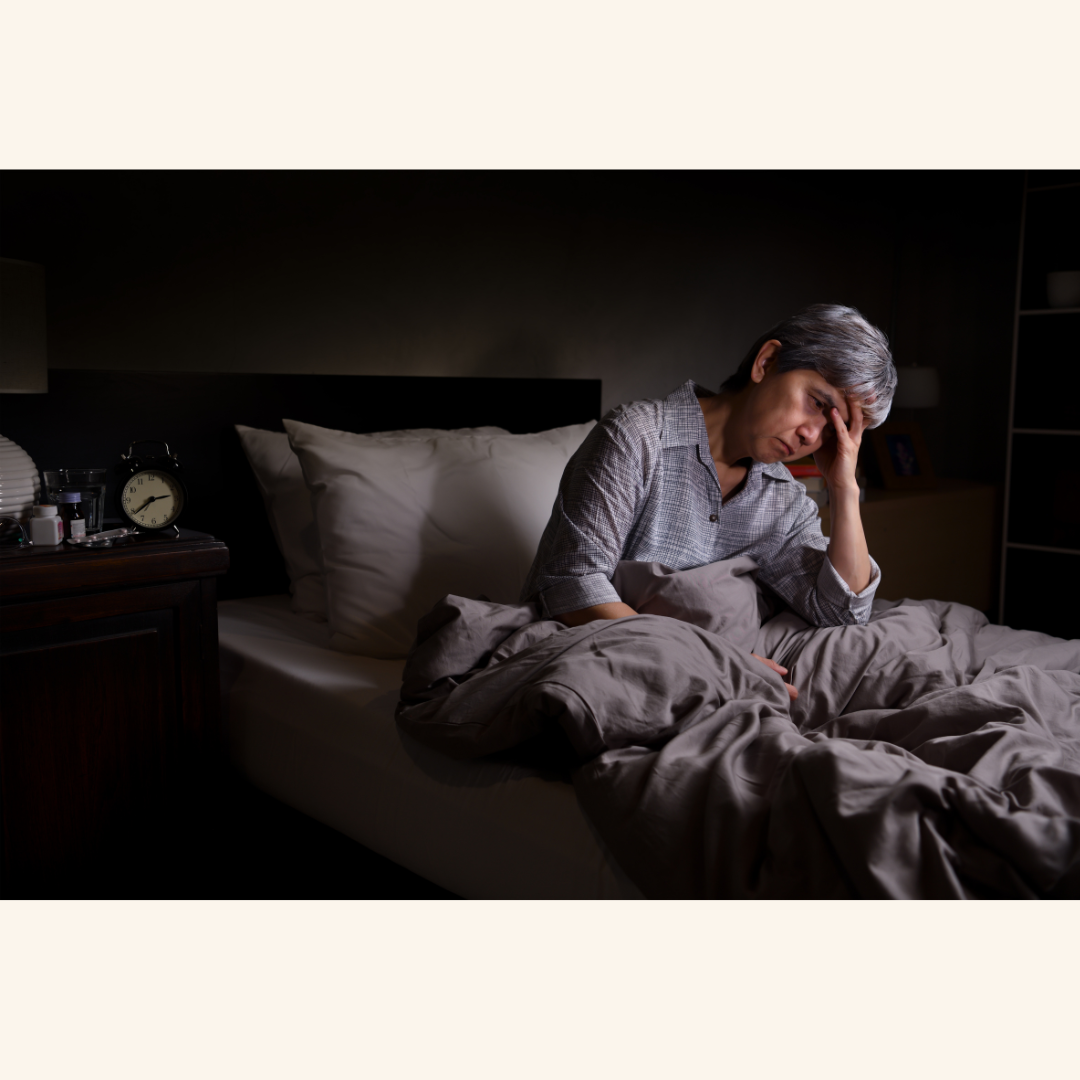
Poor Sleep and Depression: A Strong Link in Parkinson’s Disease
December 18, 2024
A recent study published in Sleep Medicine has shown a clear connection between poor sleep and worsening depression symptoms in people with Parkinson’s disease. Researchers found that those with lower sleep quality and delayed mid-sleep times were more likely to experience severe depression.
Key Findings of the Study
Conducted by researchers in Ukraine and Germany, the study followed 64 people with PD, evaluating their sleep and depression levels using established scales like the Pittsburgh Sleep Quality Index (PSQI) and Beck Depression Inventory (BDI).
Poor Sleep Quality: Defined as a PSQI score of less than 5, it was a strong predictor of severe depression.
Delayed Mid-Sleep Time: Those who went to sleep later had a higher risk of depression severity.
Postural Instability and Gait Disorders (PIGD): Patients with this subtype had poorer sleep and higher depression rates compared to those with other subtypes.
Depression and Sleep Metrics
The study revealed some concerning trends:
Longer Sleep Delays: People with PIGD fell asleep later and experienced longer delays before fully waking up.
Severe Depression: 23.1% of those with PIGD had severe depression, compared to only 3.9% in the other group.
Why This Matters
Poor sleep is already common in PD, but this research shows how closely it’s linked to mental health. Mood disorders like depression can often go unnoticed in PD because some symptoms overlap, making early intervention crucial.
What’s Next?
The study calls for better sleep-focused treatments to improve mental health in people with Parkinson’s. While the research provides valuable insights, the small sample size highlights the need for further investigation.
This study emphasizes the importance of addressing sleep issues as a part of managing PD, aiming to enhance both mental and physical well-being.
Comments (0)
Loading comments...