


Xellsmart announces five hours of extra daily on time in cell therapy trial results
October 19, 2026
 Beatrice
Gaining five extra hours of good movement every single day sounds like a tall order, yet that is the headline result from an early clinical trial unveiled in October 2026 at the international movement disorders congress in Seoul. Biotech company Xellsmart presented the first results from a phase one study of its cell therapy, known as XS411, alongside the news that its larger phase two trial in China has already finished enrolling participants.
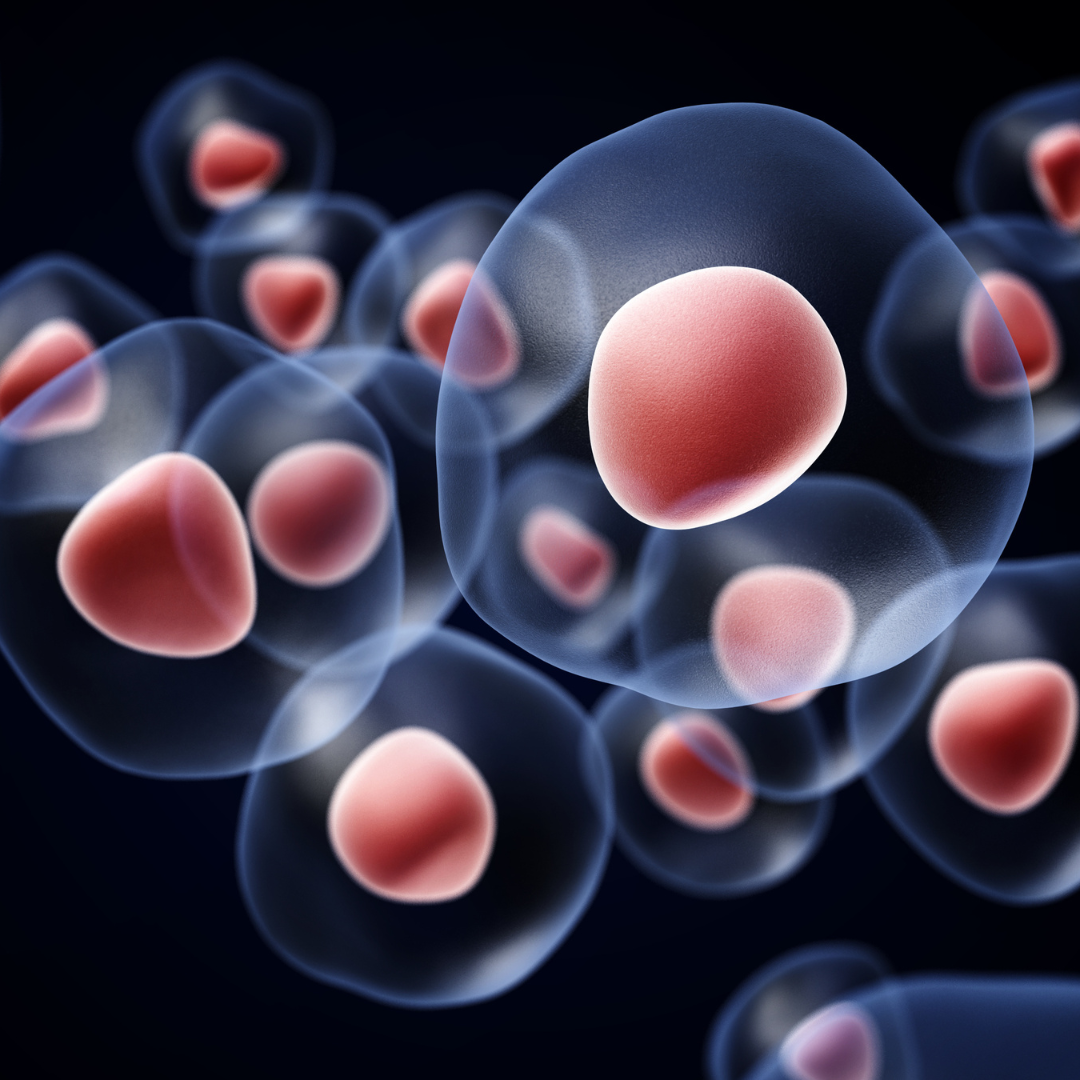
Instead of topping up dopamine with daily tablets, XS411 aims to rebuild the brain's own production line. Scientists take adult donor cells, rewind them back into versatile stem cells, and then guide them to become young dopamine producing brain cells. Surgeons transplant these new cells directly into the putamen, the deep part of the brain responsible for smooth movement. Once settled, the cells are meant to mature, link up, and start making dopamine naturally again.
What makes this specific treatment particularly practical is that it is made to be ready directly from the freezer. Earlier stem cell treatments often required growing cells from a person's own skin, which takes months and costs a fortune, or finding a closely matched tissue donor so the body does not reject the transplant. Xellsmart designed XS411 so that it does not need tissue matching at all. Instead, anyone receiving the cells takes a standard course of medication to calm their immune system while the graft settles in. Having a universal treatment ready on the shelf removes a massive logistical hurdle if this therapy ever reaches everyday hospitals.
The phase one trial tested this approach in nine people who had been living with Parkinson's for around ten years. Before the procedure, all nine were dealing with frustrating medication wearing off periods that made daily life difficult. Six months after having the cells transplanted into both sides of the brain, the results were striking. On average, the group gained more than five hours of good on time each day without troublesome involuntary movements. When doctors assessed their movement whilst off medication, scores on the standard movement scale improved by an average of more than thirty points, which is a massive leap in clinical terms. People in the higher dose groups tended to see the biggest gains, and everyone reported feeling that their overall quality of life had noticeably improved.
Just as importantly, the procedure proved safe across all nine participants. Regular brain scans showed no signs of unwanted cell overgrowth or tumours, no serious side effects linked to the therapy, and none of the runaway involuntary movements caused by the graft itself that plagued some early cell trials decades ago.
Because all nine people knew they had received the active treatment, there is always a chance that hope and expectation played a role in how well they moved and felt afterward. To get past the placebo effect and see what was physically happening inside the brain, researchers used specialized brain scans that light up where dopamine is being made. Six months after surgery, those scans showed a clear boost in dopamine activity right where the cells had been injected. That glowing signal on the scan is the hardest proof yet that the transplanted cells survived the journey, plugged themselves in, and started doing their job.
Building on these early numbers, researchers led by Beijing Tiantan Hospital and three other major Chinese medical centres have already recruited all thirty people for the phase two trial, and the treatment group has completed their transplant surgeries. To make sure the next set of results is rock solid, this trial uses an independent evaluation setup. While participants know whether they had the procedure, the specialist doctors scoring their movement have no idea who received the cells and who is in the comparison group. This removes wishful thinking from the medical scores.
Alongside the clinical trials in China, a phase one trial is also running in the United States, where the drug regulator granted XS411 fast track status in July 2026 to help speed up its review process. With Japan having already granted conditional approval to a different stem cell therapy from Kyoto University in February 2026, cell replacement is rapidly moving from science fiction into real world medical testing. The next major test for XS411 will be seeing whether these five extra hours of daily freedom hold up across the thirty people in the phase two trial, and whether standard immune suppressing drugs keep those new cells safe over the long haul.
Comments (0)
Loading comments...