


How Boosting Immune Cells Could Lead to a Preventative Parkinson’s Therapy
February 6, 2025
 LeahJS
As people age, their immune system becomes less effective, which may contribute to Parkinson’s disease, suggests Rebecca Wallings, a 2024 Parkinson’s Foundation Launch Award recipient. She explains that aging immune cells become sluggish and unable to resolve inflammation, potentially driving brain degeneration. Wallings’ research focuses on immune cell exhaustion, particularly in the peripheral immune system, which may play a role in Parkinson’s. Though Parkinson’s has traditionally been seen as a brain disorder, recent findings suggest that the immune system outside the brain also contributes to the disease.
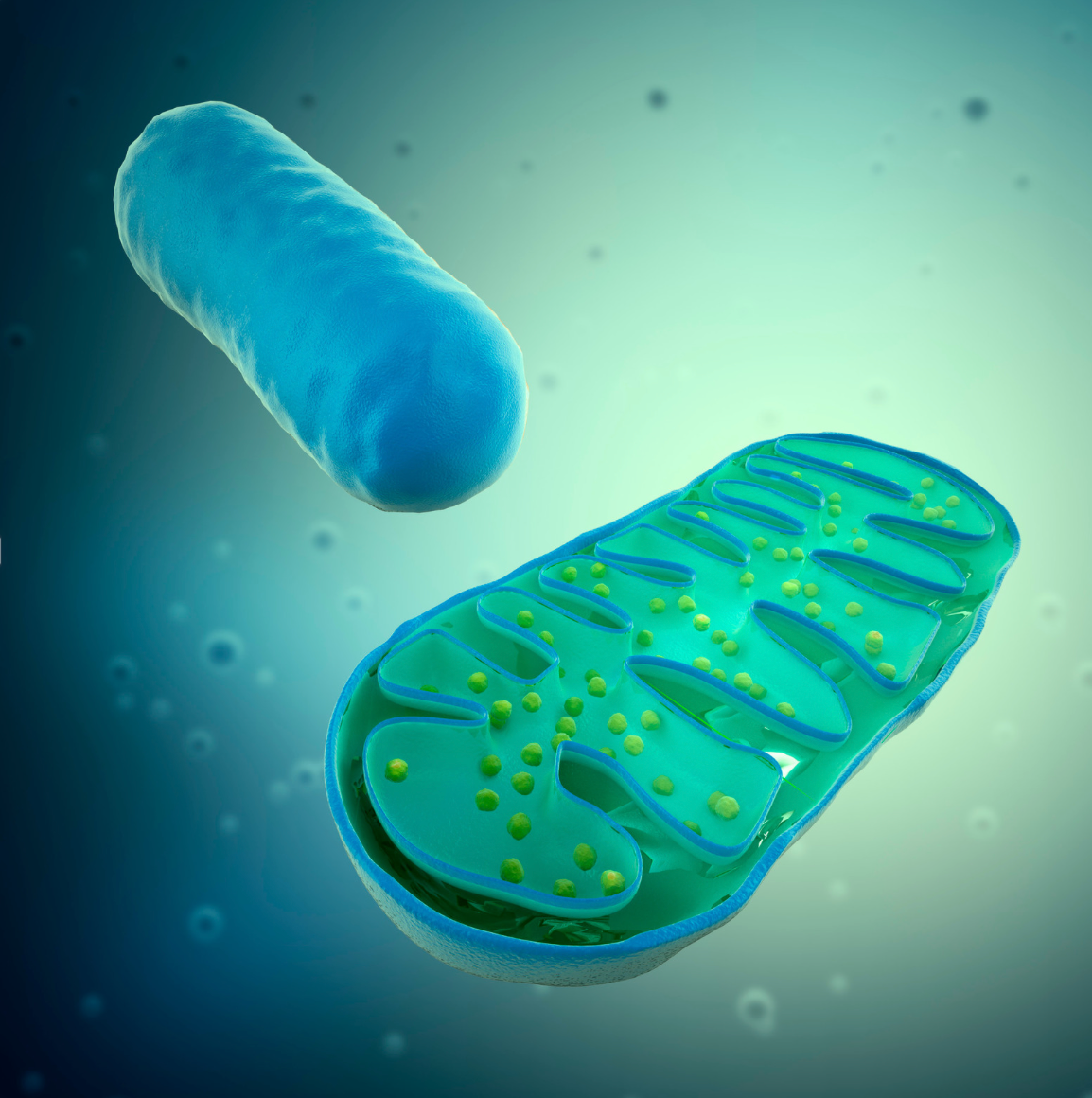
Her awarded project explores how immune system aging, including mitochondrial dysfunction, may worsen neurodegeneration in Parkinson’s. Wallings challenges the common belief that excessive inflammation drives the disease and advocates for rejuvenating the immune system to restore its function. She has previously shown that LRRK2 gene mutations, linked to Parkinson’s, are associated with immune system dysfunction. Wallings plans to test approaches for repairing mitochondria in immune cells to improve their function and potentially treat Parkinson’s.
Through her new lab, Wallings aims to continue her work on immune cell exhaustion and its role in Parkinson’s, as part of a broader, “whole systems” approach to understanding the disease. This new perspective on Parkinson’s research could lead to innovative treatments by addressing the immune system and other factors beyond the brain.
Comments (0)
Loading comments...