


It’s Never Too Late: How Rehab Can Improve Life for Older People with Parkinson’s
July 14, 2025
A new Polish study has found that rehabilitation programmes can significantly improve the quality of life for older people with Parkinson’s Disease, even in later stages of the condition. The research, published in Progress in Health Sciences, confirms what many in the PD community have long suspected: it’s never too late to benefit from introducing better daily routines and more comprehensive care.
What Was the Study About?
Conducted in a psychogeriatric ward in Poland, the study looked at a group of elderly people living with Parkinson’s who were undergoing a multidisciplinary rehabilitation programme. Researchers wanted to know if the right mix of physical, mental, and emotional support could make a measurable difference in their quality of life.
How Did It Work?
Participants were assessed at two points: once when they entered the programme, and again after completing it. The rehabilitation included:
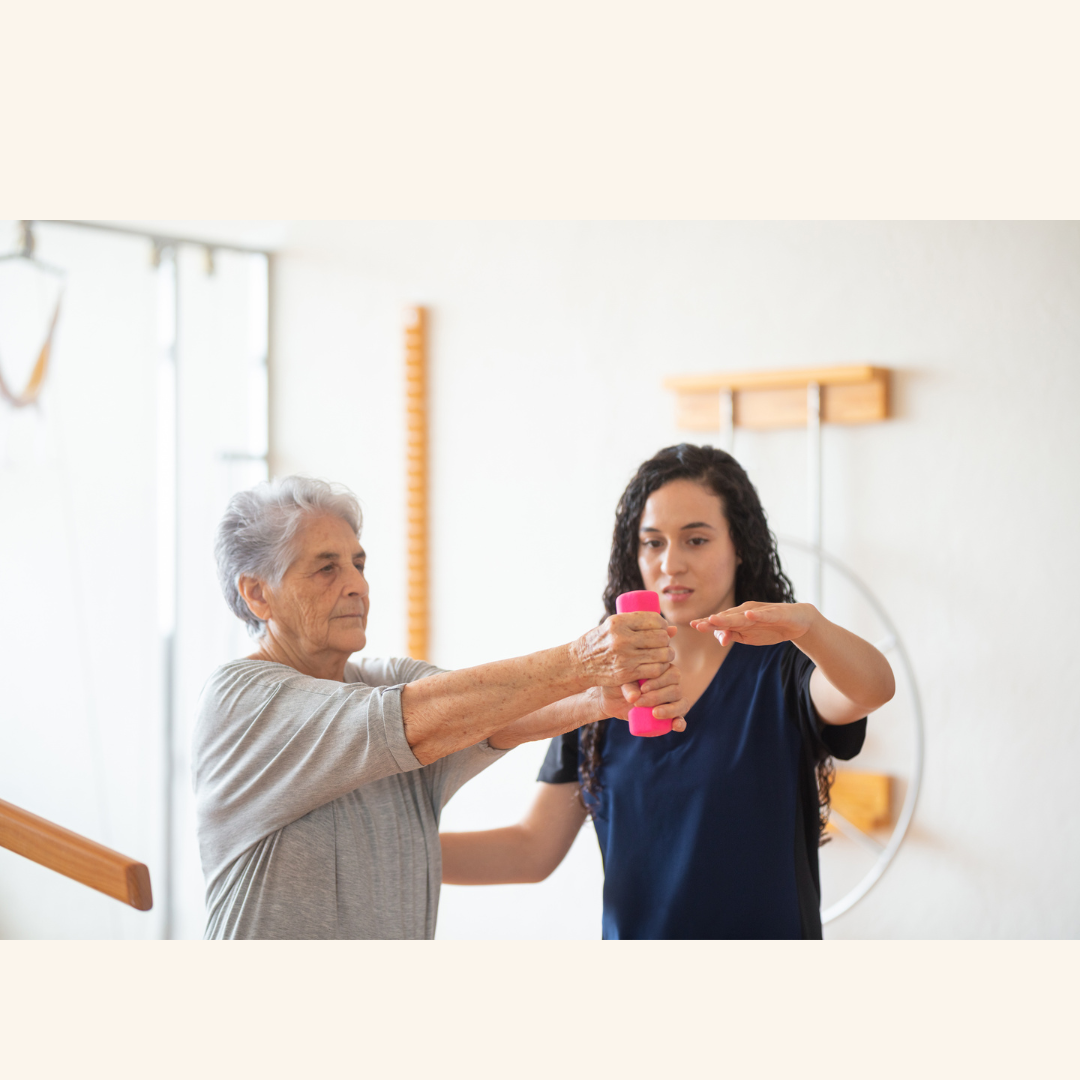
Physiotherapy – tailored exercises to help with mobility, strength and balance.
Occupational therapy – practical skills for daily living, such as dressing, eating, and personal care.
Psychological support – to help manage depression, anxiety, and cognitive challenges.
The goal was not only to improve physical health, but to support emotional wellbeing and everyday independence.
What Did They Find?
By the end of the programme, participants showed:
Improved movement and balance – including greater confidence when walking and standing.
Reduced symptoms of anxiety and depression – many reported feeling more positive and less isolated.
Better quality of life overall – thanks to greater independence and improved mental state.
Some cognitive improvements – although these were modest, they are encouraging.
Importantly, the study showed that the level of benefit didn’t necessarily depend on how advanced a person’s Parkinson’s was. Even those with more progressed symptoms still experienced real improvements.
Why This Matters
The findings send a powerful message: it’s never too late to take action. Regardless of age or disease progression, starting a structured routine that includes physical exercise, mental stimulation, emotional support, and practical strategies can slow down decline and improve day-to-day life.
This echoes advice from many PD experts, who stress that consistent routines—such as regular exercise, good nutrition, sleep hygiene, and social engagement—can help manage symptoms and preserve quality of life.
What’s Next?
This study, while based in Poland, has broader implications. As Parkinson’s continues to affect more people worldwide, healthcare systems must consider offering similar multi-disciplinary support—especially for older adults. It also underscores the need for individuals and caregivers to seek out comprehensive approaches, not just medication, to manage the condition.
If you or someone you care about is living with Parkinson’s, this research offers hope—and a reminder that there’s always something that can be done. Whether it’s joining a physiotherapy group, getting counselling support, or building a better daily routine, small changes can still make a big difference.
Comments (0)
Loading comments...