


NAD-boosting treatment shows no Parkinson's benefit in recent clinical trials
October 9, 2026
 Beatrice
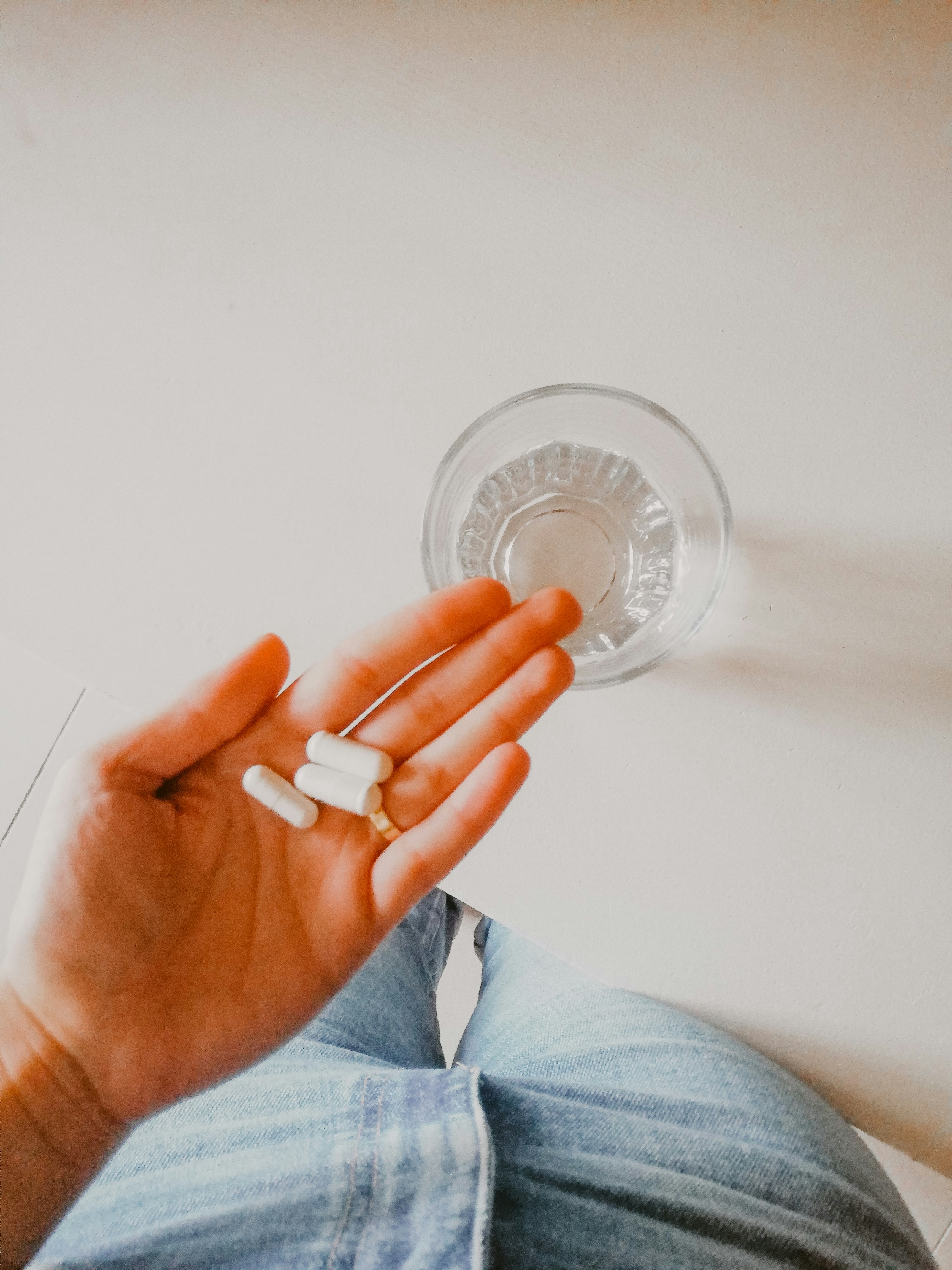
A major clinical trial has found that nicotinamide riboside, a supplement being investigated as a potential treatment to slow Parkinson’s disease, did not improve patients’ symptoms over one year. People who took the supplement experienced slightly worse overall clinical outcomes than those who received a placebo. The findings challenge earlier hopes that increasing levels of a molecule involved in cellular energy production could help protect the brain from Parkinson’s disease.
Why study nicotinamide riboside?
Parkinson’s disease develops as brain cells that produce dopamine gradually become damaged or die. Although existing treatments can help manage symptoms, no established treatment reliably slows the progression of the disease.
Researchers are investigating whether supporting the energy systems inside brain cells could help protect them. One important molecule is nicotinamide adenine dinucleotide, or NAD, which plays a central role in energy production, cell function and DNA repair.
Nicotinamide riboside (NR) is a form of vitamin B3 that the body uses to produce NAD. Earlier studies suggested that NR can increase NAD levels, including in the brain. This raised the question of whether it could also help slow Parkinson’s disease. However, changing a biological process does not necessarily translate into clinical benefits.
What did the trial involve?
The NOPARK trial included 410 people with early stage Parkinson’s disease, recruited at 11 centres in Norway. Participants had been diagnosed within the previous two years and were receiving stable treatment for their condition.
Researchers randomly assigned participants to take either 500 milligrams of NR twice daily, a total of 1,000 milligrams per day, or a placebo. Neither participants nor researchers knew who was receiving the supplement. Treatment continued for 52 weeks, and 393 participants were included in the main analysis.
The researchers assessed changes in Parkinson’s symptoms using a standard clinical scale that measures movement difficulties, everyday activities and non motor symptoms. They also examined brain imaging measures related to the dopamine system.
The main results
After one year, the NR group experienced a small worsening in their overall Parkinson’s scores, while the placebo group showed a slight improvement. The average score increased by 2.45 points in the NR group and decreased by 0.27 points in the placebo group. The difference between the groups was 2.72 points in favour of placebo, and it was statistically significant.
However, the difference was relatively small and below the thresholds the researchers cited for a clinically important change. The results therefore do not show that NR caused a major deterioration. They do show that the supplement failed to produce the expected clinical benefit.
Non motor symptoms also worsened more in the NR group. These symptoms can include sleep problems, constipation, fatigue, anxiety and difficulties with thinking. The difference between the groups was 4.22 points, favouring placebo.
Other measures, including brain imaging of the dopamine system, did not show significant differences between the groups. Overall, the trial found no convincing evidence that NR improved symptoms or slowed the progression of Parkinson’s disease.
Was the supplement safe?
Serious adverse events occurred in both groups. They were reported in 17 of 205 participants receiving NR, compared with 29 of 205 receiving placebo. These events were therefore less frequent in the NR group during the trial, although serious adverse events are not necessarily caused by a treatment.
These findings do not establish that NR is safe for everyone. More importantly, the trial found no clinical benefit despite the supplement’s biological rationale.
What does this mean for people with Parkinson’s?
The results are particularly important because earlier research had raised hopes that NR could help protect brain cells. A smaller study, known as NADPARK, found that NR increased NAD levels in the brain in some people with newly diagnosed Parkinson’s. Some participants also showed changes in brain metabolism that researchers considered potentially encouraging.
However, that study involved only 30 people and lasted 30 days. It was not designed to establish whether NR could slow the disease over the longer term.
NOPARK tested the approach in a much larger group over a full year and found no clinical benefit. This highlights an important distinction: a supplement can affect a biological marker without improving symptoms or changing the course of a disease.
The findings do not rule out all future treatments targeting NAD or cellular energy production. They do, however, provide strong evidence against using the tested dose of NR as a treatment to slow early stage Parkinson’s disease.
The bottom line: Nicotinamide riboside had a plausible scientific basis, but the NOPARK trial did not show that it improves Parkinson’s symptoms or slows disease progression. For now, it remains an unproven approach, and further research is needed to identify treatments that can genuinely change the course of the disease.
Comments (0)
Loading comments...