


How L-Dopa Changes Brain Activity – And Why It Matters for Parkinson’s
June 11, 2025
A brand‑new study has shone light on how Levodopa (L‑Dopa), the cornerstone medication for Parkinson’s, helps the brain’s electrical rhythms—and how that ties directly to symptoms improving.
What did they investigate?
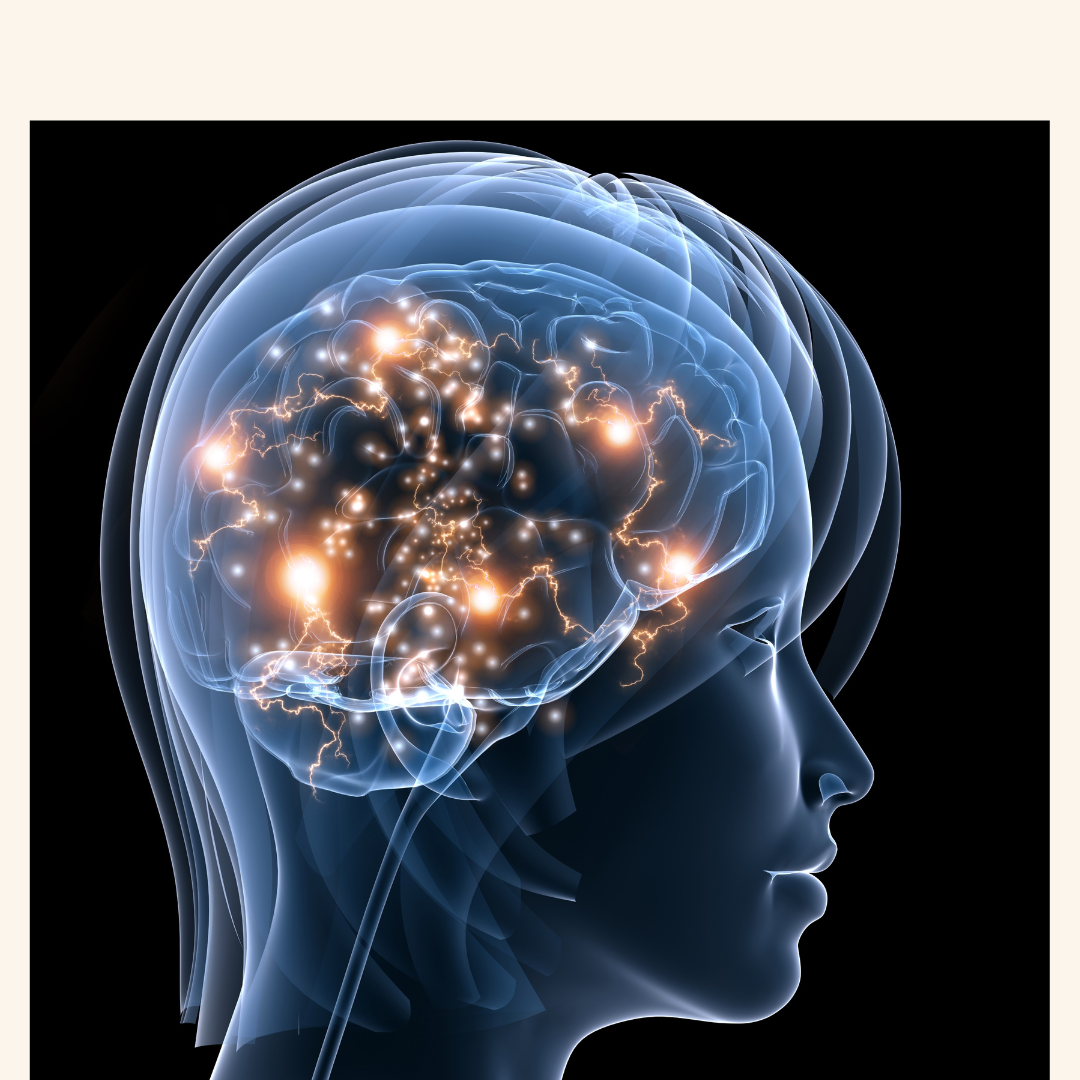
Researchers studied 11 people with Parkinson’s, recording brain activity both deep within and on the surface, before and after taking L‑Dopa. They looked at something called "neuronal avalanches"—brief bursts of brain activity that spread across different regions
What changed with medication?
Sharper, stronger bursts: Off medication, the bursts were shorter and smaller. After L‑Dopa, they became longer and larger.
Better communication: These bursts travelled more easily between key brain areas—especially between motor centres—when people were on medication .
Why is this good news?
Importantly, patients whose burst activity increased more also saw better clinical improvement. That means the changes in brain patterns directly reflected better movement control
Why it matters – in real terms
A new way to measure impact: Instead of only observing symptoms, this gives doctors a measurable signal—how bursts spread—to gauge how well L‑Dopa is working in an individual.
Toward personalised care: Because people respond differently to medication, this method could help tailor doses or therapies—taking us closer to truly personalised treatment.
A fresh target for future therapies: By understanding these bursts, researchers might develop new treatments aimed at improving brain network communication.
In plain terms, L‑Dopa doesn’t just soothe symptoms—it visibly changes how the brain’s activity unfolds and connects. And those changes closely track with how much better people feel and move. This study is a game-changer: it not only deepens our understanding of how medication works, but it also offers a new tool to potentially tailor treatment to each person’s unique brain patterns.
Comments (0)
Loading comments...