


New molecule SK-129 stops the toxic chain reaction in Parkinson's
May 13, 2026
Scientists have developed a clever new molecule designed to tackle Parkinson's at its very source. While current treatments are excellent at managing symptoms, they do not stop the condition from moving forward. This new research focuses on a protein called alpha-synuclein, which normally lives happily in the brain but can sometimes start to misfold and stick together.
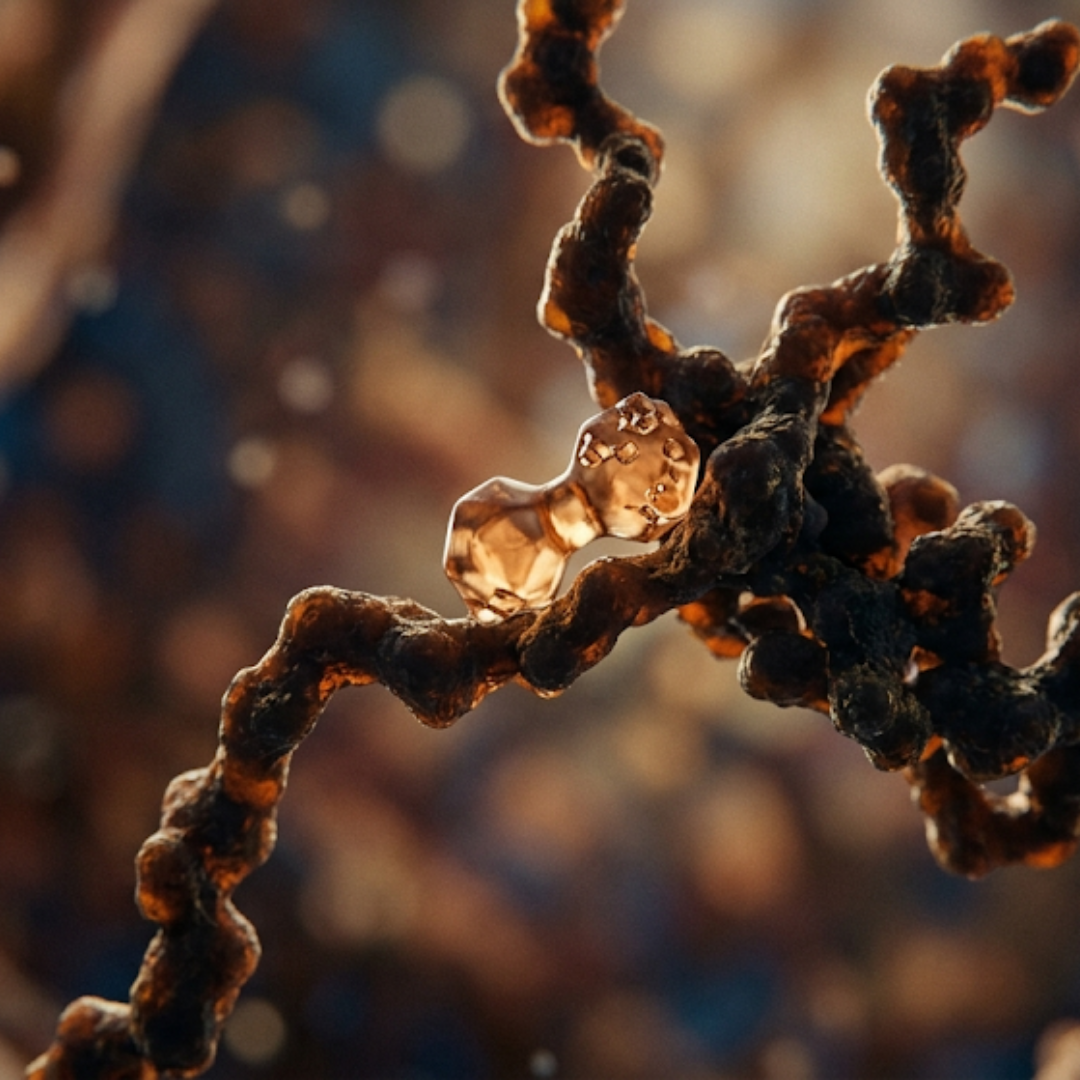
Think of this clumping like a row of falling dominoes. Once one protein misfolds, it encourages the next one to do the same, creating long, toxic chains that damage brain cells and spread the condition. The new molecule, named SK-129, acts like a physical barrier placed between those dominoes. It latches onto the misfolded proteins and prevents them from recruiting others, effectively freezing the toxic process in its tracks.
What makes SK-129 particularly interesting is its design. Many previous attempts to block these protein clumps failed because the molecules were too large to enter the brain or did not stay there long enough to work. SK-129 is small and nimble, allowing it to slip past the brain's protective borders and remain active for several days.
In recent studies, the results were quite remarkable. In models where Parkinson's had already begun to affect dopamine-producing cells, the molecule was able to protect the remaining neurons and stop further damage. In more advanced tests, it prevented movement problems and brain inflammation entirely. Perhaps most surprising was that it also stopped alpha-synuclein from sticking to another protein called tau, which is often linked to memory and thinking changes.
While this is an exciting leap forward, it is important to remember that SK-129 is still in the early stages of discovery. It has shown great success in the laboratory and in various models, but it must now undergo rigorous safety testing before it can be used by people. It represents a hopeful new chapter in the search for therapies that do more than just mask the signs of Parkinson's—they aim to change the future of the condition itself.
Comments (0)
Loading comments...