


Can Prasinezumab Help Slow Parkinson’s Disease? What the Latest Research Suggests
February 20, 2025
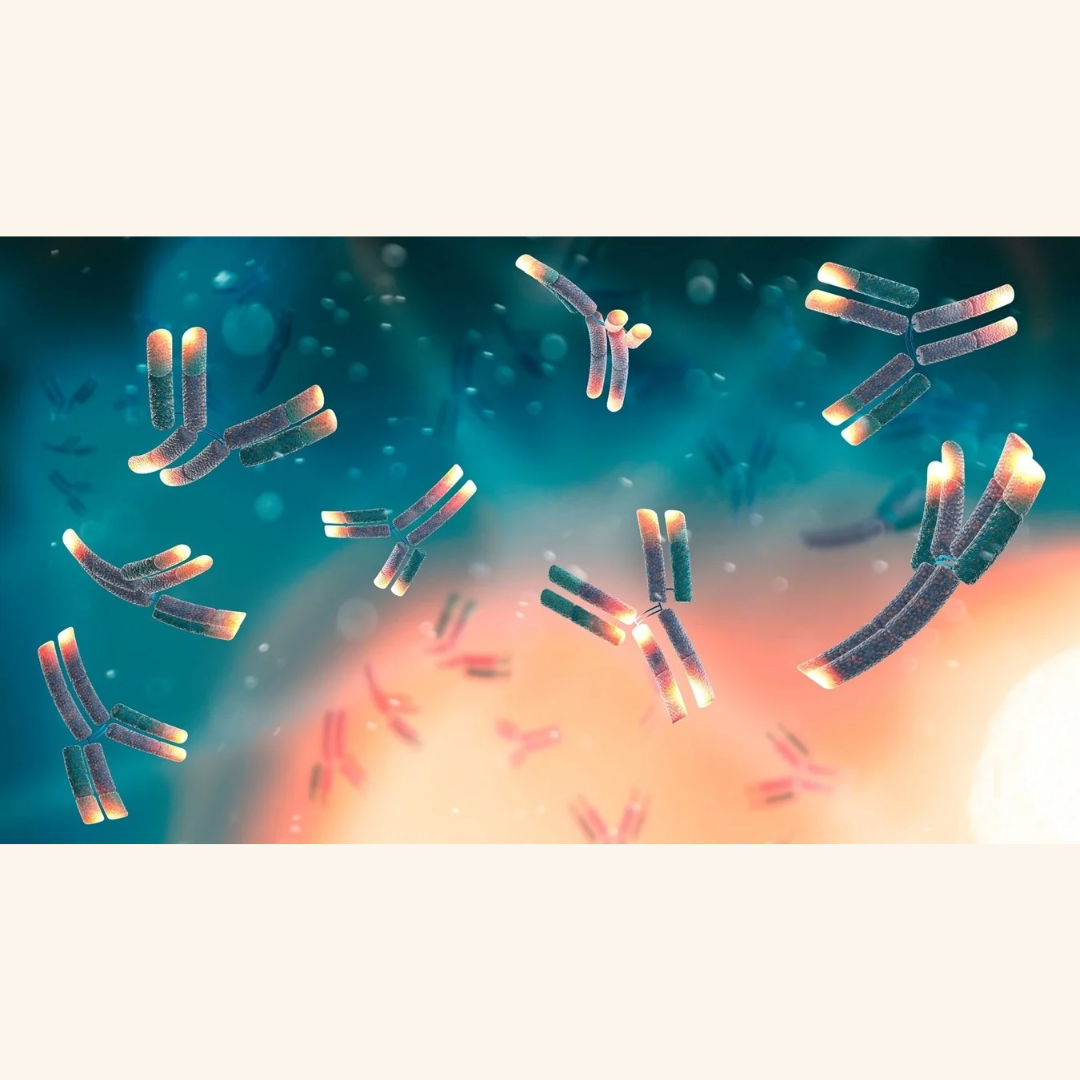
A new analysis of clinical trial data suggests that prasinezumab, an experimental antibody treatment, may help slow the progression of Parkinson’s disease in certain patients—specifically, those whose symptoms are getting worse quickly.
While earlier studies showed limited benefits, this new look at the data suggests that some patients with rapidly progressing Parkinson’s may see improvements in their movement symptoms when taking the drug. However, experts urge caution, as these findings are based on a retrospective analysis, meaning they were made after the fact rather than being planned from the start. There could be other factors influencing the results that weren’t accounted for.
What Makes Parkinson’s Hard to Treat?
Scientists know that a protein called α-synuclein plays a major role in Parkinson’s disease. The idea behind prasinezumab is that it targets this protein to slow down disease progression. However, unlike some treatments for Alzheimer’s disease that target a similar type of buildup in the brain, Parkinson’s therapies haven’t yet seen major success.
One challenge is when treatment starts—many experts believe that by the time symptoms appear, a significant amount of brain damage has already occurred. Another issue is drug delivery—for the treatment to work, the antibody has to cross the blood-brain barrier and reach the right areas of the brain. Some researchers think prasinezumab may not be able to reach its target effectively inside brain cells, where much of the harmful α-synuclein is found.
This section delves into key challenges and considerations for clinical trials targeting Parkinson’s disease (PD), particularly those focusing on α-synuclein therapies. Here are the main takeaways:
Timing of Intervention
Lessons from Alzheimer’s disease (AD) suggest that late-stage interventions may be less effective.
α-synuclein pathology may start years before PD diagnosis, making early detection crucial.
Seed Amplification Assay (SAA) can identify α-synuclein in early stages.
Drug Delivery Challenges
The ability of antibodies to cross the blood-brain barrier (BBB) is critical.
Extracellular α-synuclein is targeted, but its proportion and role in disease progression remain uncertain.
The effectiveness of intracellular antibody delivery is an unresolved challenge.
Patient Stratification & Biomarkers
PD progression varies among individuals, affecting responses to treatments.
Some genetic mutations (e.g., LRRK2, GBA, PRKN) influence PD pathology and should be considered in trial design.
SAA could help stratify patients, but its limitations in reflecting disease severity must be addressed.
Adverse Effects & Safety
Prasinezumab trials reported cases of worsening symptoms and even a suicide event, though causation is uncertain.
Neuroinflammation and immune responses could contribute to adverse effects.
Imaging techniques like PET scans can help monitor inflammation.
Statistical Considerations
Selecting rapidly progressing patients in post hoc analyses can reduce variability and enhance detection of treatment effects.
The PADOVA trial aims to improve reliability by increasing sample size and study duration.
Determining a meaningful p-value threshold remains a key challenge for translating trial results into clinical applications.
What’s Next?
While the results of this new analysis are promising, experts stress the need for further research. Future studies should focus on:
Better patient selection—identifying who is most likely to benefit from α-synuclein-targeting therapies.
More precise drug delivery—ensuring the treatment effectively reaches the affected brain areas.
Exploring combination therapies—using multiple drugs together to improve results.
Overall, antibody-based treatments like prasinezumab could hold promise for Parkinson’s, but more work is needed before we can say for sure whether they will be effective in slowing the disease. Scientists are learning from past studies and other diseases like Alzheimer’s to refine their approach, bringing us one step closer to better treatments in the future.
Comments (0)
Loading comments...