


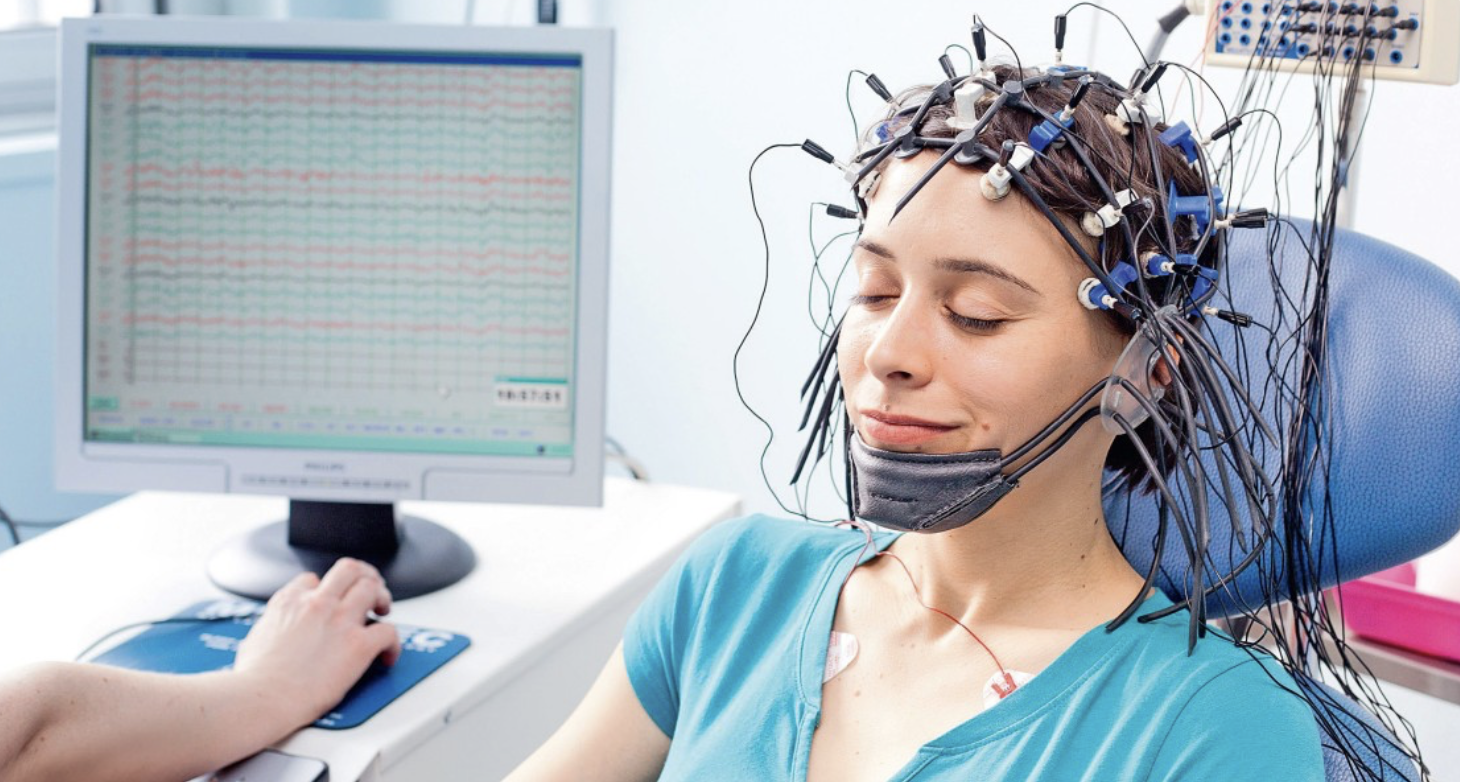
EEG patterns put to AI review may aid in early Parkinson’s diagnosis
July 22, 2024
 LeahJS
A recent study from Australia demonstrated that an artificial intelligence (AI) model analyzing electroencephalography (EEG) patterns of brain activity can accurately diagnose Parkinson's disease at early stages.
EEG is a non-invasive method used to detect brain activity patterns linked to neurological disorders. Dr. Siuly Siuly of Victoria University in Melbourne emphasized that these AI techniques could enhance early detection and management of Parkinson's disease.
Published in Computers in Biology and Medicine, the study outlines how this technology could improve patient care and quality of life. Parkinson’s disease, characterized by the progressive loss of dopaminergic neurons essential for motor control, is typically diagnosed based on motor symptoms that appear in later stages.
Early detection is crucial for effective treatment. The AI model developed by researchers uses time-frequency representation and the AlexNet convolutional neural network (CNN) to identify complex EEG patterns associated with Parkinson's. Tested on datasets from the University of Iowa and the University of San Diego, the model achieved high accuracy, sensitivity, specificity, and positive predictive value, significantly outperforming existing methods.
The researchers aim to collaborate with healthcare and software professionals to develop specialized clinical software for diagnosing Parkinson’s and potentially other neurological conditions, with Dr. Siuly highlighting the transformative potential of AI in healthcare.
Comments (0)
Loading comments...