


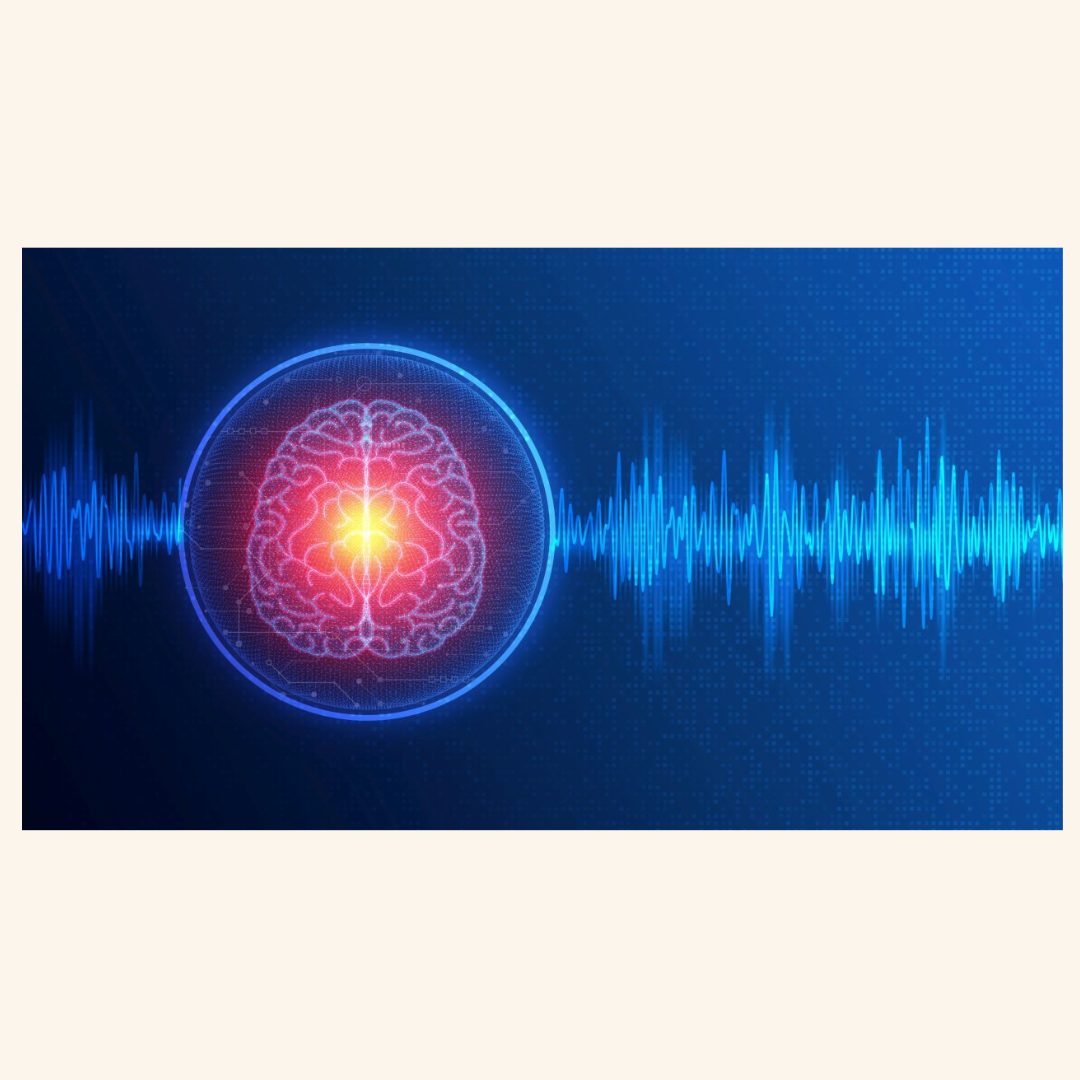
Adaptive DBS: A New Parkinson’s Treatment Where the Brain Controls the Therapy
January 16, 2025
For over 30 years, Deep Brain Stimulation (DBS) has been a game-changer for people with Parkinson’s disease and other neurological conditions. By implanting electrodes in the brain to deliver constant electrical pulses, DBS helps reduce symptoms like tremors and stiffness when medication alone isn’t enough. While effective, DBS isn’t perfect—it can lead to side effects like slurred speech, balance issues, or even behavioural changes. But now, a new method called Adaptive DBS (aDBS) is offering hope for more personalised and effective treatment.
What Is Adaptive DBS?
Unlike traditional DBS, which delivers continuous pulses regardless of the brain’s activity, aDBS is smarter. It uses the implanted electrodes to monitor the brain’s signals in real time. The system only delivers pulses when it detects irregular brain activity that indicates symptoms. This tailor-made approach not only aims to reduce symptoms more effectively but also minimises unnecessary stimulation, which could reduce side effects.
Dr Martijn Beudel, a neurologist at Amsterdam UMC, has been researching aDBS for over a decade. On 13 January, he made history by treating the first patient in the world with this personalised method outside of a clinical trial.
A Tailored Update Without Extra Surgery
One of the most exciting aspects of aDBS is that it doesn’t require new hardware. For patients who already have a DBS system implanted, the adaptive technology can be applied through a software update. This means no additional surgery is needed. The existing electrodes in the brain are simply reprogrammed to recognise and respond to the brain’s specific needs.
This breakthrough was recently used on a 47-year-old Parkinson’s patient who had been benefiting from DBS but still experienced side effects. Dr Beudel explains:
"We updated the existing system to make it adaptive. Now, the patient only receives pulses when their brain signals indicate it’s necessary."
The Future of Adaptive DBS
While aDBS is a promising step forward, it’s not yet available for everyone. Researchers are still studying how well it works compared to traditional DBS, particularly for patients who already respond well to DBS without major side effects. More large-scale studies are needed to understand its full potential.
Dr Beudel and his team are optimistic about the possibilities. By fine-tuning this adaptive technology, they hope to improve quality of life for many more patients with Parkinson’s and other movement disorders.
A Glimpse of Hope
For patients who don’t respond well to current treatments or struggle with side effects, aDBS offers new hope. As this technology advances, it could represent a major shift in how we approach Parkinson’s care—putting the brain itself in control of its own treatment.
Comments (0)
Loading comments...