


Using AI to Understand and Treat Slowness of Movement in Parkinson’s Disease
May 22, 2025
 LeahJS
This study used an advanced computer model to better understand bradykinesia, one of the most common movement symptoms in people with Parkinson’s disease. Bradykinesia refers to slowness of movement and can greatly impact daily life.
The researchers focused on how the fingers move during a simple tapping task, using video footage and artificial intelligence to measure changes in hand motion. They compared the effects of three treatments:
Medication (dopamine replacement)
Surgery to implant Deep Brain Stimulation (DBS) leads
Turning on and fine-tuning the DBS system
How AI Helped Analyze Movement
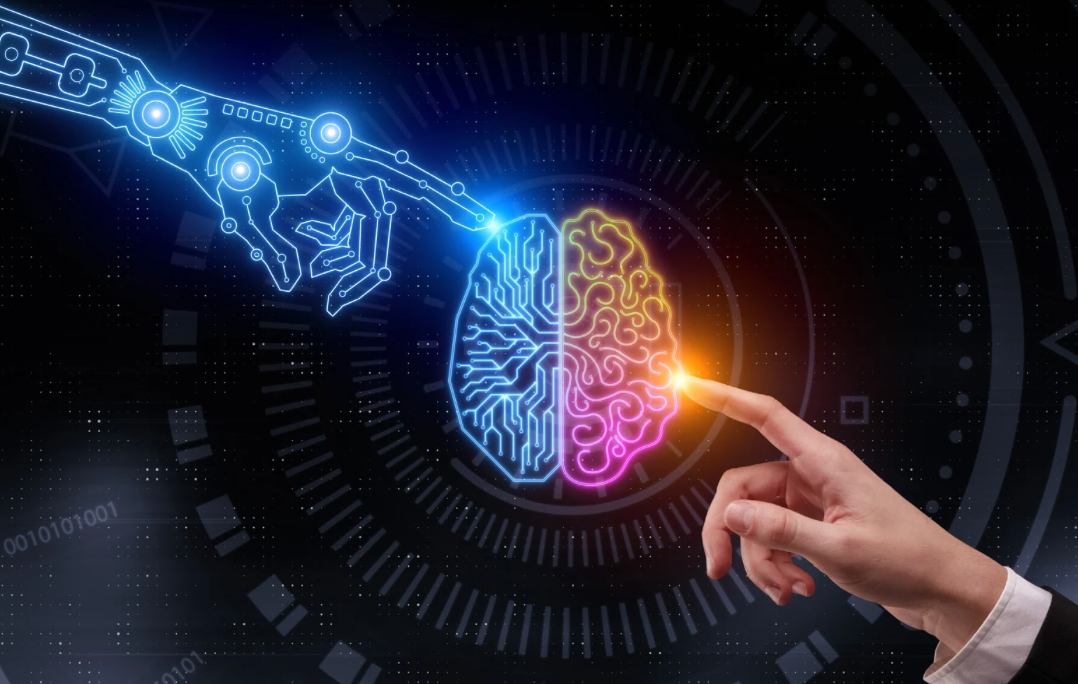
Instead of relying only on human ratings (which can vary), the study used a 3D deep learning model to measure finger movements. The model could accurately reflect movement issues, performing as well as or better than doctors when predicting standard Parkinson’s scores.
Unlike earlier tools that needed people to wear sensors (which can restrict movement), this method used only video footage, making it more natural and less invasive. The model reconstructed finger motion in 3D from regular 2D videos, showing strong potential for future use in clinics.
Key Findings About Treatment Effects
The study showed that different treatments help in different ways:
Medication and DBS both improved how far the fingers moved, but only DBS improved how consistently they moved.
Speed and acceleration of finger movement improved more after DBS than with medication.
Lead implantation alone (before stimulation is turned on) also helped—this is called the microlesion effect (MLE), possibly due to changes in brain activity from surgery itself.
Some movement features, like fatigue or "freezing" of motion, didn’t improve with any treatment, suggesting certain symptoms may need new approaches.
Brain Insights: Why DBS May Help More Than Medication
DBS may improve movement by affecting different brain circuits than medication does. Specifically, the study suggests DBS might work not just through the usual motor areas, but also through parts of the cerebellum, a brain region that controls coordination and speed. This could explain why DBS often improves movement speed more than medication.
Why This Matters
This research shows that AI-powered video analysis can help break down the complex symptoms of Parkinson’s disease into parts we can measure and understand.
By comparing treatment effects in detail, it may help doctors:
Choose the best treatment for each person
Understand which parts of movement are likely to improve
Make more informed decisions about when and how to use DBS
Final Thoughts
Using artificial intelligence to study hand movement offers a more precise and personalized way to understand Parkinson’s symptoms and treatments. While more research is needed, this approach may one day help doctors track disease progression and fine-tune therapies with greater accuracy—improving quality of life for people living with Parkinson’s.
Comments (0)
Loading comments...