


My Experience with the Oura Ring for Parkinson’s: A Personal Review
February 26, 2025
Last Christmas, I bought my husband the Oura Ring as a gift, hoping it might help him monitor his health more effectively. After a few months of use, he’s been very happy with the results. The Oura Ring has provided valuable insights into his daily well-being, offering clear indications of where he should focus more or make adjustments. It’s been especially helpful in tracking his sleep and activity levels, which are crucial for managing Parkinson's. This review is based on our personal experience, and I have no association with Oura or any promotion of their products—just sharing what we’ve found useful in case it helps others in the Parkinson’s community.
What is the Oura Ring?
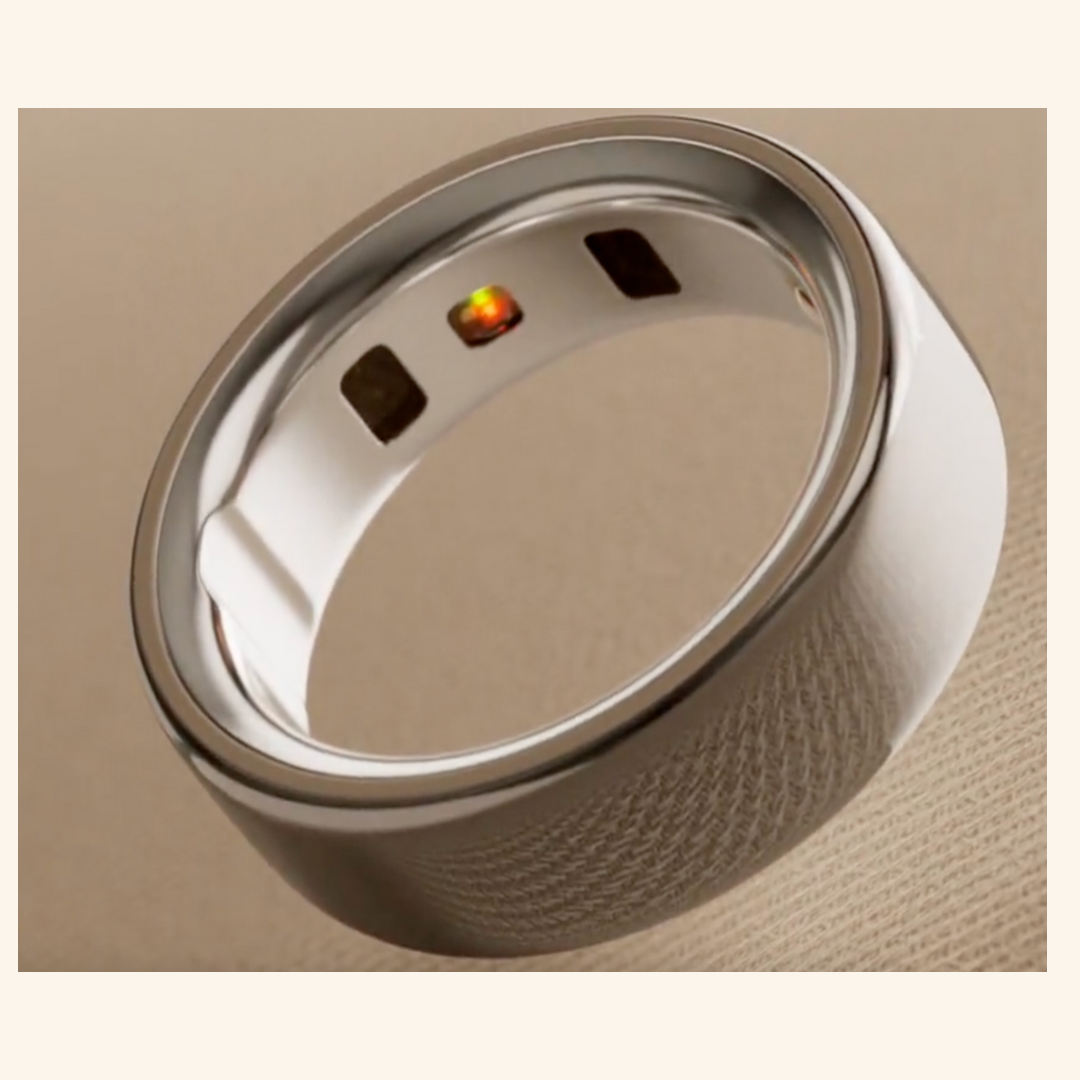
The Oura Ring is a smart wearable designed to track various health metrics, including sleep, activity, and readiness. It’s compact, lightweight, and doesn’t scream “fitness tracker,” which makes it a less intrusive option for those who might not want to wear something bulky. For people with Parkinson’s, monitoring health metrics closely is important for understanding how daily fluctuations can affect symptoms and overall well-being.
Sleep and Activity Tracking:
The Oura Ring provides in-depth insights into both sleep and activity levels. For people with Parkinson’s, managing sleep quality is essential, as sleep disturbances are common and can worsen motor symptoms, mood, and cognitive function. The Oura Ring tracks sleep stages, providing information on how much deep sleep, REM sleep, and light sleep you’re getting. This data can be useful for understanding how well-rested you are, which directly impacts Parkinson’s symptoms.
The ring also tracks daily activity, including steps and movement, which is crucial for maintaining physical function. Staying active can help with mobility, prevent stiffness, and improve overall quality of life. However, it’s important to note that the Oura Ring encourages general movement but doesn’t provide specific guidance on exercises tailored to Parkinson’s, so it’s still essential to follow a Parkinson's-specific exercise plan alongside tracking general activity.
The Readiness Score and Heart Rate Variability (HRV):
One of the standout features of the Oura Ring is the Readiness Score, which combines various health factors (sleep, activity, and recovery) to give an overall score of how ready your body is for the day. This score is based on data like heart rate variability (HRV), resting heart rate, and body temperature. For people with Parkinson’s, HRV is a particularly valuable metric. HRV measures the variation in time between heartbeats and reflects how well the body is managing stress. A high HRV generally indicates a well-balanced, healthy autonomic nervous system, which can be helpful when trying to manage stress or Parkinson’s-related autonomic dysfunction.
A low HRV, on the other hand, can indicate that the body is under stress, which could be linked to symptoms of Parkinson's or the effects of medication. Tracking HRV over time can help identify patterns, allowing adjustments to be made in daily routines, medication, or stress management techniques.
Pros of the Oura Ring:
-Accurate Sleep Tracking: The sleep tracking is one of the ring’s strongest features, helping you understand your sleep quality and patterns, which is particularly useful for people with Parkinson’s who often struggle with sleep disturbances.
-Compact and Comfortable: It’s a small, lightweight device that doesn’t draw attention, unlike many fitness trackers.
-Heart Rate Variability (HRV): The HRV tracking is a valuable metric for those with Parkinson’s, as it helps gauge the body’s stress levels and autonomic function.
-Daily Readiness Score: The score provides a simple, at-a-glance idea of how well you’re recovering, helping to gauge whether you’re ready for physical activity or need to take it easy.
Cons of the Oura Ring
- Price: At a high price point (start from £250), the Oura Ring is an investment. It may not be affordable for everyone, particularly when there are other health trackers available at a lower cost.
- Limited Exercise Guidance: While it tracks general activity, it doesn’t provide specific recommendations for exercises tailored to people with Parkinson’s, so it requires supplementation with a more structured exercise plan.
- Battery Life and Charging: While battery life is decent, you’ll need to charge the ring every few days, which might be inconvenient for some users.
Final Thoughts
Overall, the Oura Ring has been a helpful tool for monitoring health and managing Parkinson’s symptoms, particularly when it comes to sleep and HRV tracking. The insights it provides help us understand how my husband’s body is reacting to his daily routine and Parkinson’s symptoms, allowing for adjustments in his activity levels or medication schedule. While it’s not a cure for Parkinson’s, it’s a useful tool in managing day-to-day health, especially when combined with other treatments and exercise routines.
If you’re considering a smart health tracker, the Oura Ring offers solid functionality, but the price may be a barrier for some. It’s not a one-size-fits-all solution, but for those who can afford it and are looking for detailed health insights, it could be a worthwhile addition to your Parkinson’s care routine.
Comments (0)
Loading comments...