


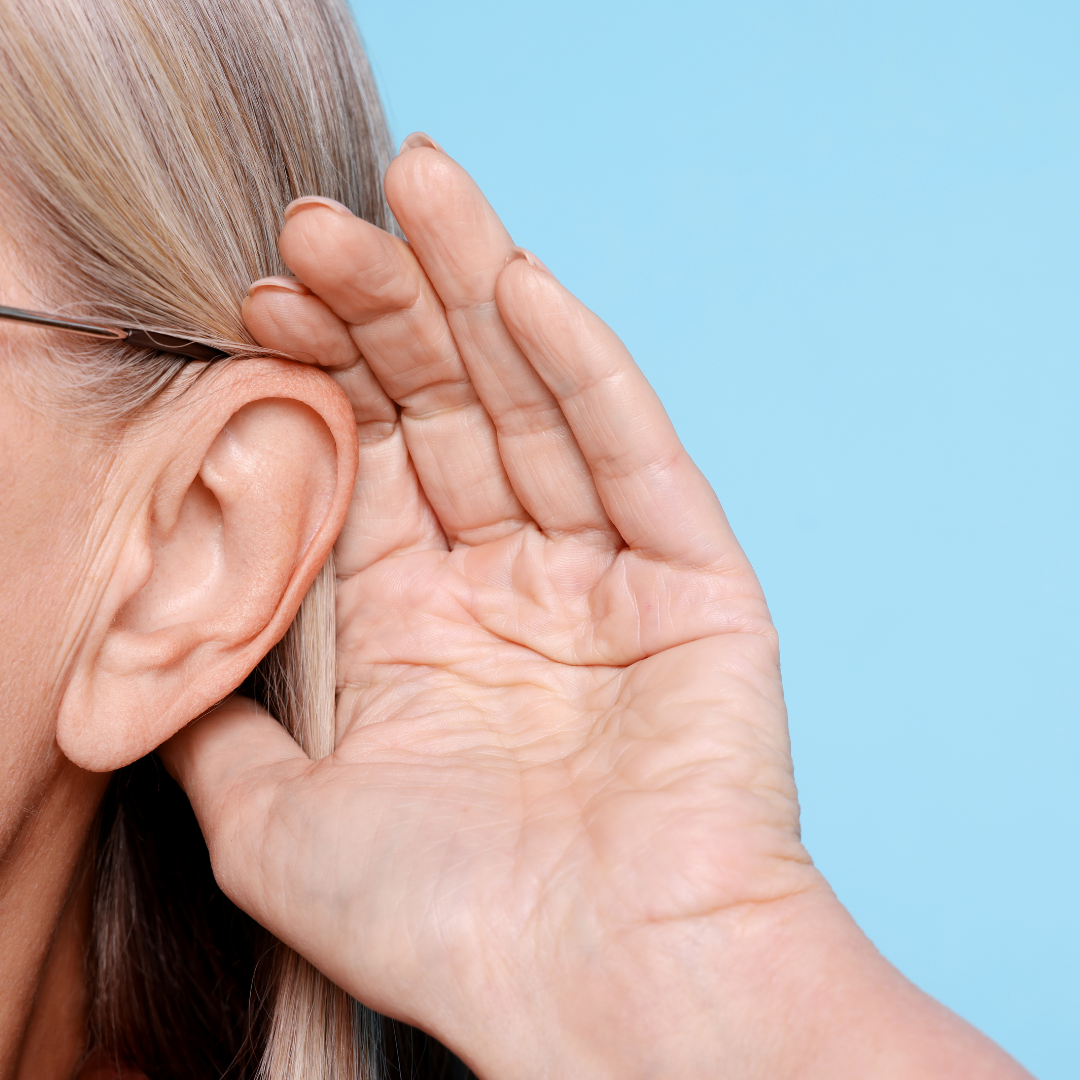
Hearing loss is frequently overlooked following a Parkinson's diagnosis
August 14, 2026
 Beatrice
When someone receives a diagnosis of a complex neurological condition, the immediate focus naturally shifts to managing movement, adjusting medications, and navigating daily routines. However, a large Finnish study published in Movement Disorders Clinical Practice suggests that this intense focus might accidentally push other essential health needs into the background.
The research, led by scientists at the University of Eastern Finland, followed more than twenty-two thousand people over a twenty-year timeframe, looking at their health records ten years before and ten years after receiving a Parkinson’s diagnosis. Each person was matched with an individual of the same age and background who did not have the condition.
The team noticed an unexpected pattern. In the decade leading up to diagnosis, people who later developed Parkinson’s were actually diagnosed with inner ear hearing loss slightly more often than their peers. As both groups aged, new hearing loss diagnoses climbed steadily, exactly as expected.
Once the neurological condition was officially diagnosed, the picture changed entirely.
While hearing loss diagnoses kept rising steadily among the comparison group, new hearing loss diagnoses among people with Parkinson’s noticeably dropped. Overall, they became twenty-two per cent less likely to receive a formal hearing loss diagnosis than others of the same age.
This drop does not mean that hearing suddenly improves. Instead, it points to what clinicians call diagnostic overshadowing. When medical appointments are filled with discussions about mobility, tremor, sleep, and medication schedules, subtle sensory changes such as gradual hearing loss can easily be missed. A person might simply assume their hearing difficulties are part of general fatigue, or clinicians might focus all available consultation time on motor symptoms.
Hearing well is vital for balance, spatial awareness, and staying connected with friends and family. Straining to follow conversations takes extra mental energy and can lead to unnecessary fatigue or social isolation.
The study serves as an important reminder that sensory checks should remain a routine part of ongoing care. Keeping an eye on hearing health and arranging regular checks with an audiologist helps ensure that communication, safety, and quality of life stay strong.
Comments (0)
Loading comments...