


Parkinson’s in 2026: The Year of Verdicts
January 5, 2026
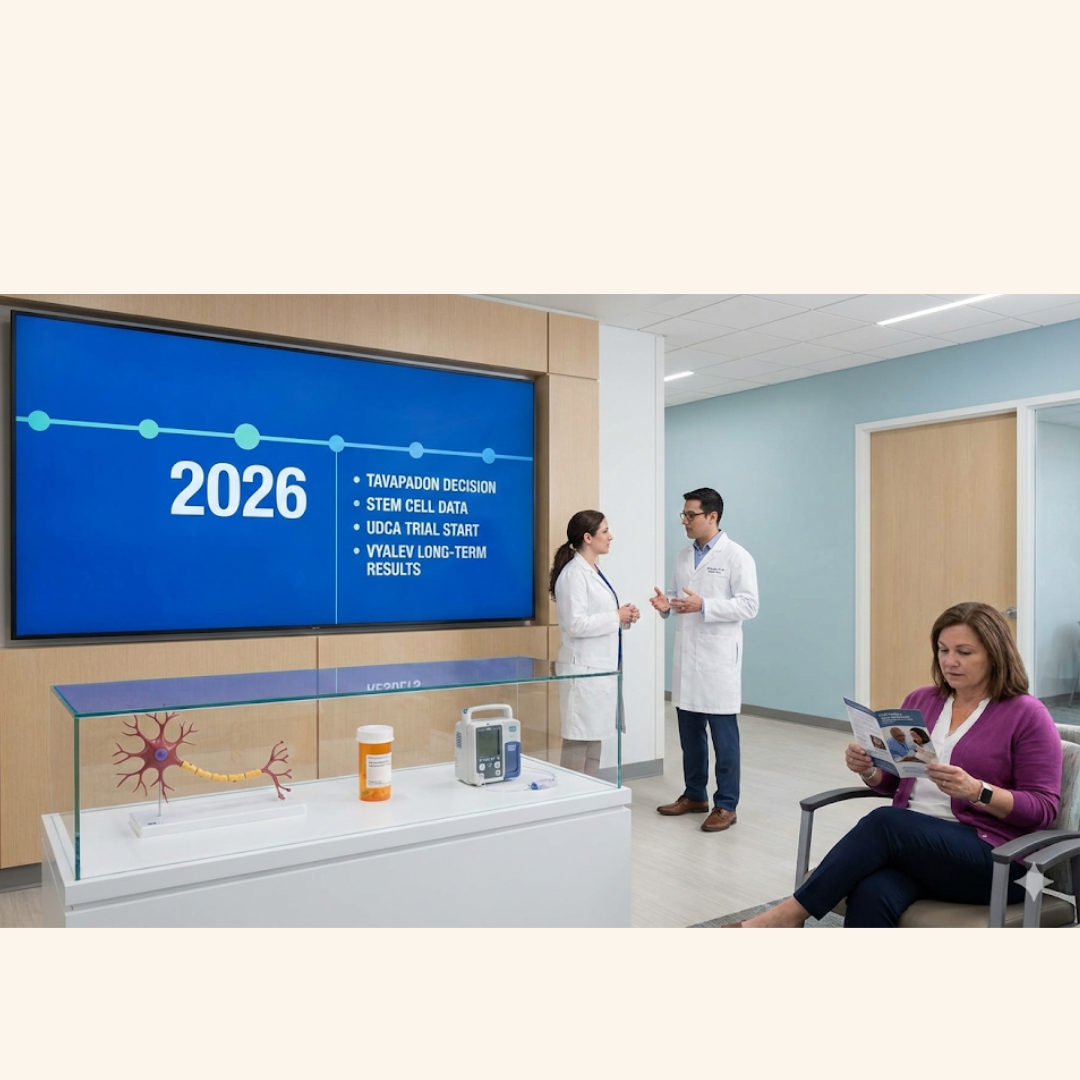
2026 is shaping up to be the year where the timeline finally shrinks. We are done with "promising mouse models" and vague horizons. This year, we are looking at hard regulatory deadlines, the launch of definitive Phase 3 trials, and the first real-world data from cell replacement therapies.
Based on the latest pipeline updates from NeurologyLive, here are the concrete milestones arriving in the next 12 months.
The Precision Approach: A Verdict on Tavapadon
For decades, treating this condition has often felt like trying to tune a delicate radio with a sledgehammer. We flood the brain with dopamine, hoping it hits the right spots, but often dealing with the static of side effects like dyskinesia or impulse control issues.
This year, specifically in the first half of 2026, the US Food and Drug Administration (FDA) is expected to make a final decision on a drug called Tavapadon. Unlike traditional dopamine agonists that spray widely across the brain’s receptors, Tavapadon is designed to be a "sniper". It specifically targets the D1 and D5 receptors, aiming to improve motor control without triggering the unwanted baggage that often comes with older medications. If approved, it would represent the first truly new oral mechanism we have seen in quite some time—a smarter, sharper tool for the kit.
Science Fiction is Finally Paying Rent
We have talked about stem cells for so long that they almost feel mythological, but 2026 is the year they firmly enter the realm of hard data. The buzz is centred around "cell replacement therapies"—essentially, planting fresh, dopamine-producing neurons into the brain to replace the ones that have been lost.
BlueRock Therapeutics is currently recruiting for a massive Phase 3 trial (the final hurdle before potential approval) for their therapy, bemdaneprocel. Meanwhile, another player, Kenai Therapeutics, is expected to release initial data this year from their own trials. We are moving from asking "is this possible?" to asking "how well does it work in the real world?". It is a shift from biological theory to actual neurosurgery, and it is happening now.
The "Old Dogs, New Tricks" Trial
While the high-tech labs are growing neurons, a massive project in the UK is taking a more pragmatic approach. The EJS ACT-PD trial is the largest of its kind, designed to test multiple existing drugs simultaneously to see if they can slow the condition down.
The exciting update for 2026 is the planned addition of a new arm to this trial testing Ursodeoxycholic Acid (UDCA). You might know UDCA as a liver drug that has been around for years. Researchers believe it might fix mitochondrial dysfunction—essentially repairing the tiny batteries inside our cells. Because this drug is already safety-proven for liver issues, we skip the years of safety testing usually required for new compounds. It is efficient, clever science that respects the urgency of the community.
The 24-Hour Solution
Finally, 2026 will see the conclusion of long-term extension studies for the new subcutaneous infusion pumps (specifically the therapy known as ABBV-951 or Vyalev). While the pump is already making its way to market, these long-term results due in April will give us the definitive picture of how 24-hour continuous dopamine delivery changes life over the long haul. It reinforces a major shift in thinking: moving away from the rollercoaster of "on" and "off" times and towards a smooth, continuous state of being.
In short, 2026 isn't asking us to wait for a miracle. It is asking us to watch the scoreboard. From smarter pills and repurposed liver drugs to the futuristic promise of new brain cells, the pipeline is full, flowing, and finally delivering answers.
Comments (0)
Loading comments...