


The Parkinson’s Power Plan: How Lifestyle Can Boost Brain and Body Beyond the Pills
October 17, 2025
For decades, Parkinson’s has been seen mainly through the lens of medication. Take your levodopa, manage your timing, repeat. But new research published in The Lancet Neurology shakes things up, showing that lifestyle choices — from what’s on your plate to how you move and sleep — can make a real difference in slowing symptom progression and improving daily life. It’s not about replacing treatment, but about giving your brain and body a fighting chance.
The study pulled together hundreds of trials and decades of data to look at how exercise, diet, sleep, social connection, and mental health all feed into Parkinson’s progression. The big message? People who take an active role in managing their lifestyle tend to do better — physically, mentally, and emotionally — than those who rely on medication alone.
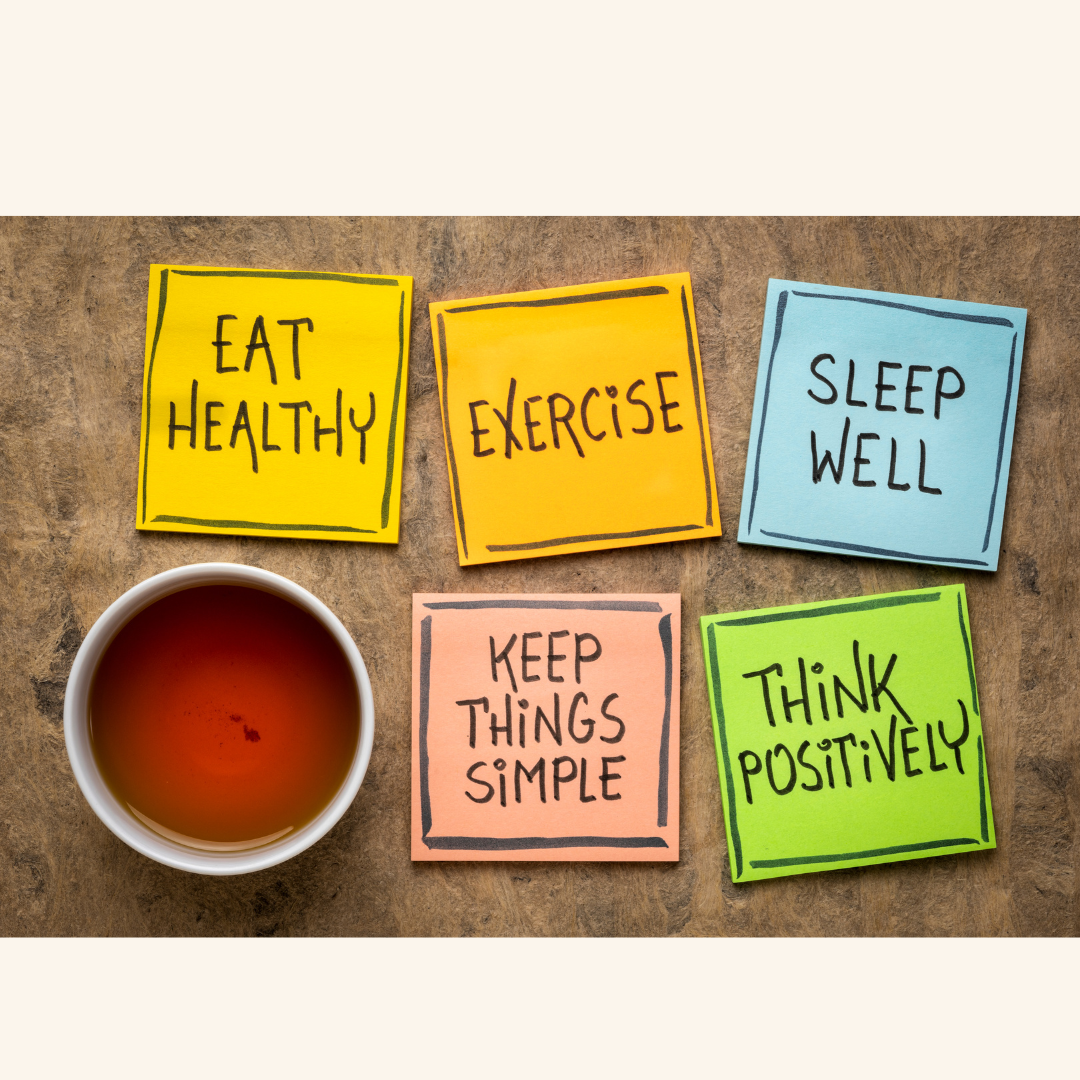
Let’s start with the body. Exercise came out as the single most powerful non-drug intervention. It doesn’t just make you fitter; it actually changes the way the brain works. Regular movement increases the release of brain-derived neurotrophic factor — a sort of fertiliser for your neurons — helping the brain form new connections and possibly even slow nerve cell loss. People who engage in structured exercise programmes such as dance, tai chi, cycling, boxing, or brisk walking tend to move more easily, fall less often, and think more clearly. The timing of exercise also matters: early and consistent activity seems to have a protective effect over the years.
Sleep is another underrated player. Parkinson’s tends to throw the body clock off balance, leading to restless nights and daytime fatigue. The review points out that poor sleep doesn’t just make you tired — it worsens everything else, from movement to mood. Restoring healthy rhythms through light exposure, routine, and bedtime consistency can make medication work more predictably and ease both tremor and stiffness. Some studies even suggest that improving sleep may help preserve dopamine function.
Diet, too, shows surprising influence. A Mediterranean-style pattern — rich in vegetables, olive oil, nuts, and fish — has been linked to better cognitive outcomes and slower symptom progression. Not because it’s magical, but because it supports the gut. The gut–brain connection in Parkinson’s is now undeniable. A healthy microbiome can reduce inflammation and improve how levodopa is absorbed, which means steadier symptom control. Timing protein intake around medication doses, staying well hydrated, and including plenty of fibre to keep the bowels moving all make daily life smoother.
The mind matters as much as the muscles. Depression, apathy, and anxiety are not side effects — they’re part of the disease. The review found that addressing mental health directly through cognitive behavioural therapy, mindfulness, or creative outlets can improve both motivation and physical function. In fact, people who stay socially and intellectually engaged tend to have milder progression and report better quality of life, regardless of symptom severity. Conversation, laughter, music, and purpose all seem to protect the brain in ways we’re only beginning to understand.
And then there’s the environment. Simple adaptations — grab bars, non-slip mats, wider paths, better lighting — can dramatically cut fall risk and keep independence longer. Occupational therapists, speech therapists, and physiotherapists each play a quiet but essential role in maintaining everyday function. Multidisciplinary care, the authors stress, is not a luxury — it’s what makes all the difference between surviving and thriving.
Perhaps the most refreshing part of the Lancet paper is its shift in tone. It doesn’t treat lifestyle changes as vague wellness advice. It frames them as measurable, evidence-backed interventions that can be prescribed just like medication. A structured exercise plan, a sleep routine, and a tailored diet aren’t soft add-ons — they’re active treatments, and the sooner they begin after diagnosis, the better the outcomes tend to be.
The takeaway is empowering rather than daunting. Parkinson’s might not yet be curable, but it is profoundly modifiable. Every walk, every meal, every good night’s sleep, and every laugh shared with others has a ripple effect on the brain. The pills keep the wheels turning, but lifestyle keeps the engine running smoothly.
Comments (0)
Loading comments...