


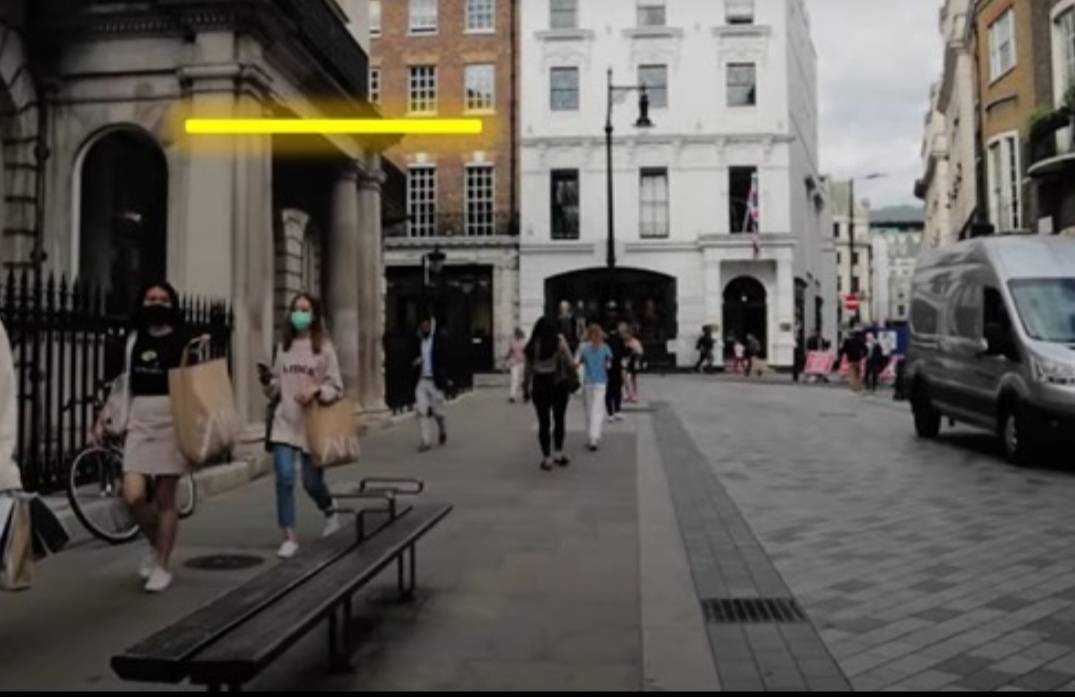
Visual Cueing – what it is and why it can help with Parkinson’s walking
September 20, 2025
Visual Cueing – what it is and why it can help with Parkinson’s walking
Hi everyone,
I thought I’d share something that many people with Parkinson’s find helpful, it’s called visual cueing.
Put simply, it means using something you can see, like a line on the floor, tiles, or even a crack in the pavement, to help trigger walking. You may have noticed that stepping over a stripe or object sometimes makes walking smoother and easier.
Here’s why it works: Parkinson’s affects the brain pathways that normally control automatic movement. But when the eyes spot a visual “cue,” the brain can use a different route (linked to movement and spatial awareness) to trigger the step. For many people, this leads to:
Longer, more fluid steps
Fewer freezing episodes
Better balance and posture
More confidence when moving around
It doesn’t work for everyone, but research suggests about 3 out of 4 people with Parkinson’s benefit — and the effect is usually immediate.
You might already be using visual cues without realising it: tiled floors, patterned carpets, or even tape strips on the ground can all act as prompts to step forward.
Visual cueing isn’t a cure, but it’s a simple, drug-free technique that can make daily walking feel easier and safer.
At StrydAR, we’ve seen first-hand how powerful visual cueing can be for people in daily life, whether through simple tricks like tape at home or through new technologies being developed to make cues more accessible anytime, anywhere.
Has anyone here tried using tape, mats, or other visual cues at home? Would be great to hear what’s worked (or not worked) for you.
Comments (0)
Loading comments...