


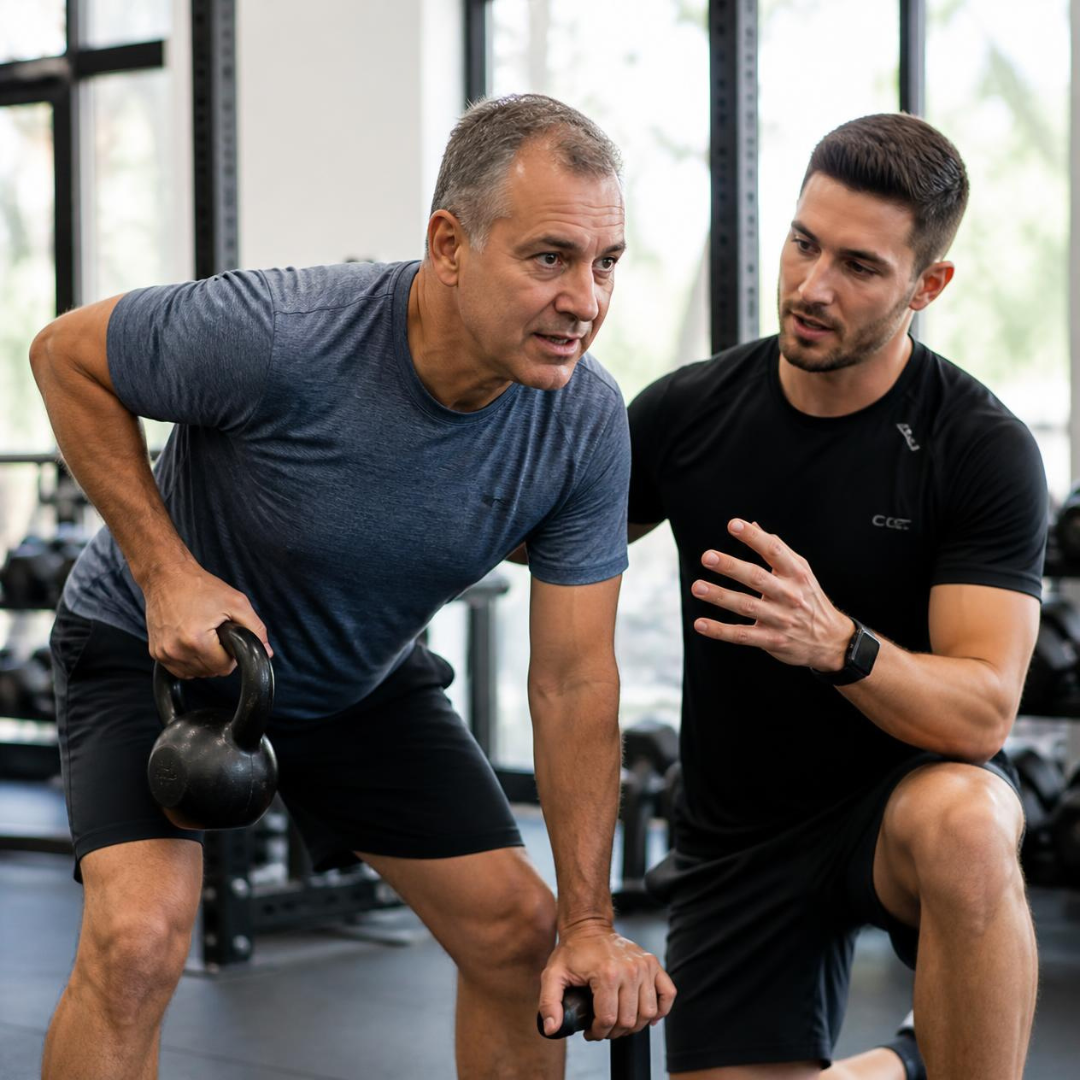
New Parkinson's classification systems are focusing on creating tailored physical rehabilitation programmes
July 13, 2026
 Beatrice
Traditional medical systems tend to group Parkinson's based on a person's primary symptoms. For example, doctors often categorise someone as having tremor dominant Parkinson's if shaking is their main challenge. Alternatively, they might use the category of postural instability and gait disturbance for someone whose primary issues relate to balance, walking, or falling. While these medical labels are incredibly useful for neurologists when predicting how the condition might progress or deciding on medication, they do not offer much practical guidance when it comes to planning day to day physical therapy. Knowing that someone has a tremor does not automatically tell a physical therapist what kind of exercises that person needs to improve their ability to get out of a chair or walk safely across a room.
To bridge this gap, a newly published study by Japanese researchers, including Junya Ogawa and colleagues, highlights the need for a completely fresh approach. They suggest moving toward a novel phenotypic classification system, which is a method of grouping people based on their visible physical characteristics and specific movement patterns rather than just their medical sub type. Instead of focusing on standard clinical definitions, this system looks entirely at how the condition impacts functional movements in daily life. This means evaluating exactly how a person moves when performing ordinary tasks, such as changing direction while walking, maintaining balance when standing still, or coordinating the upper body.
By shifting the focus to these practical, real world movement categories, physical therapists can gain a much clearer understanding of a person's exact physical capabilities. For instance, instead of assigning a general label, the therapist can identify whether a person's main physical barrier is a lack of core stability, a specific difficulty with step length, or an issue with body symmetry. This allows the rehabilitation team to move away from generic, one size fits all exercise routines and instead build highly structured, bespoke exercise programmes.
The ultimate goal of this new classification method is to make physical rehabilitation far more precise and effective. When exercise regimens are targeted directly at a person's specific functional movement profile, the therapy becomes much more meaningful. This ensures that everyone receives the exact, tailored physical support they require to overcome their unique daily challenges, ultimately helping to preserve mobility, boost confidence, and maintain independent living for as long as possible.
Comments (0)
Loading comments...