


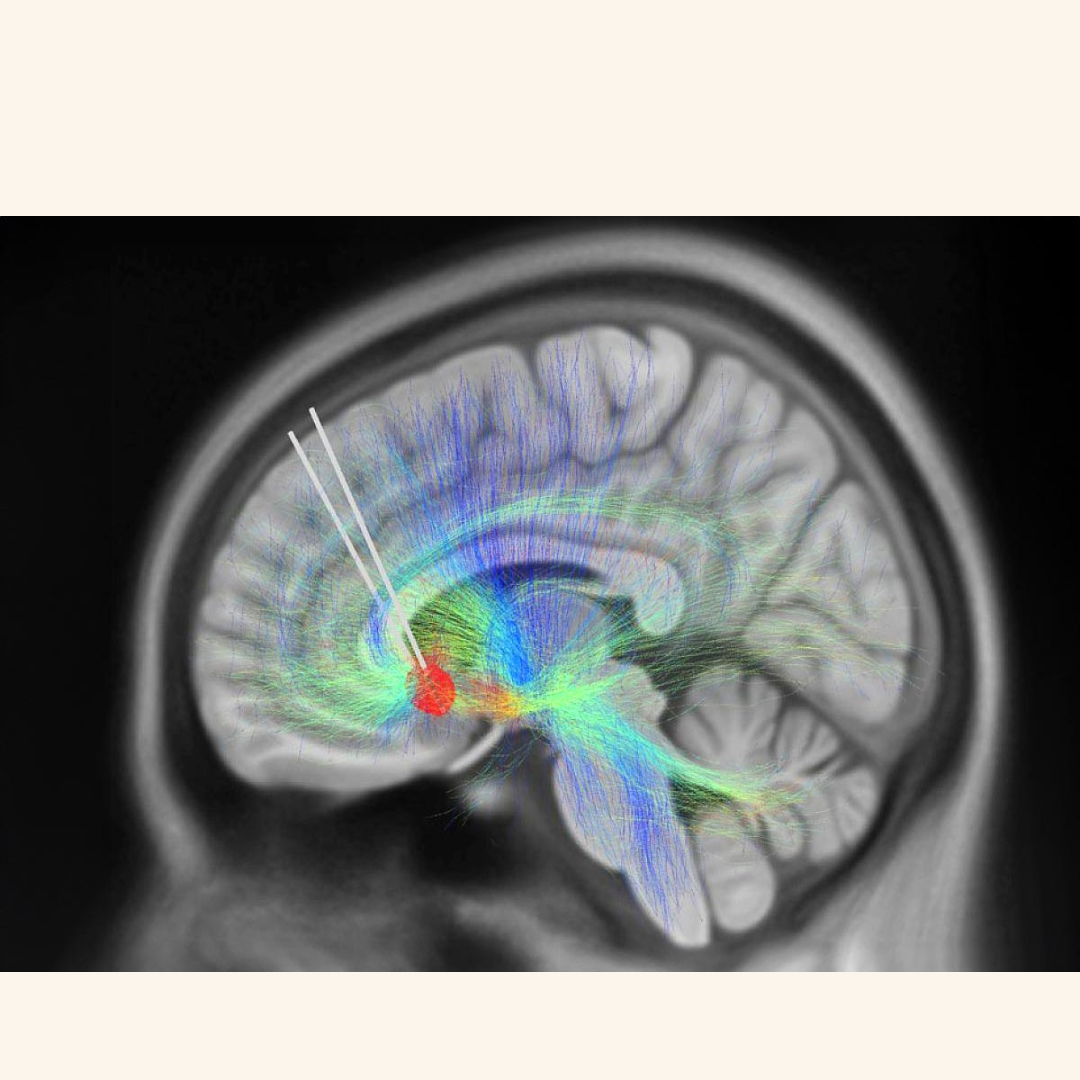
Smart, Adaptive DBS Brings Personalisation to Parkinson’s Care
September 24, 2025
Deep brain stimulation (DBS) has helped many people with Parkinson’s disease when medicine alone no longer keeps symptoms in check. Traditional DBS sends a steady, unchanging stream of electrical pulses to a small brain region all day long. That constant “always on” approach works, but it can’t adapt to the natural ups and downs of Parkinson’s symptoms or the brain rhythms that underlie them. A new study suggests there’s a better way: let the stimulator listen first, then respond.
Researchers tested a long-term, at-home version of adaptive DBS (often called “aDBS”). Instead of delivering a fixed dose of stimulation, the implanted system monitored each participant’s brain activity in the subthalamic nucleus and automatically adjusted the stimulation in real time. In simple terms, it turned the dial up when the brain signals linked to slowness and stiffness (“beta” activity) flared, and eased off when they settled. The question was whether this closed-loop, personalized approach could be as safe and effective as the standard continuous stimulation people were already receiving.
In this nonrandomized clinical trial, participants who had been living successfully with conventional DBS switched to aDBS and used it at home over the long term. Most achieved the main goal of the study: more “good on-time” during the day—periods when symptoms were well controlled—without troublesome dyskinesia. People tolerated the therapy, safety looked comparable to routine DBS care, and the system maintained stable benefits while automatically adapting in the background. The appeal is obvious: when symptoms fluctuate minute to minute, a therapy that adjusts minute to minute may control them more smoothly, reduce side effects from overstimulation, and potentially extend battery life because it doesn’t need to push full power all the time.
What does this mean for someone living with Parkinson’s? It doesn’t replace medication or traditional DBS right now, and it won’t suit everyone. But it’s a meaningful step toward brain implants that are not just “on” but intelligent—devices that read the room, then act. If future studies confirm these results in larger, more diverse groups—and in randomized head-to-head comparisons—adaptive DBS could become a new standard for people whose symptoms swing throughout the day despite good care. For now, it’s a sign that Parkinson’s treatment is moving from one-size-fits-all settings to personalized, responsive therapy delivered where it matters most: in real time, in real life.
Comments (0)
Loading comments...