


Muscone Shows Promise as a Brain Protector in Early Parkinson’s Research
August 3, 2025
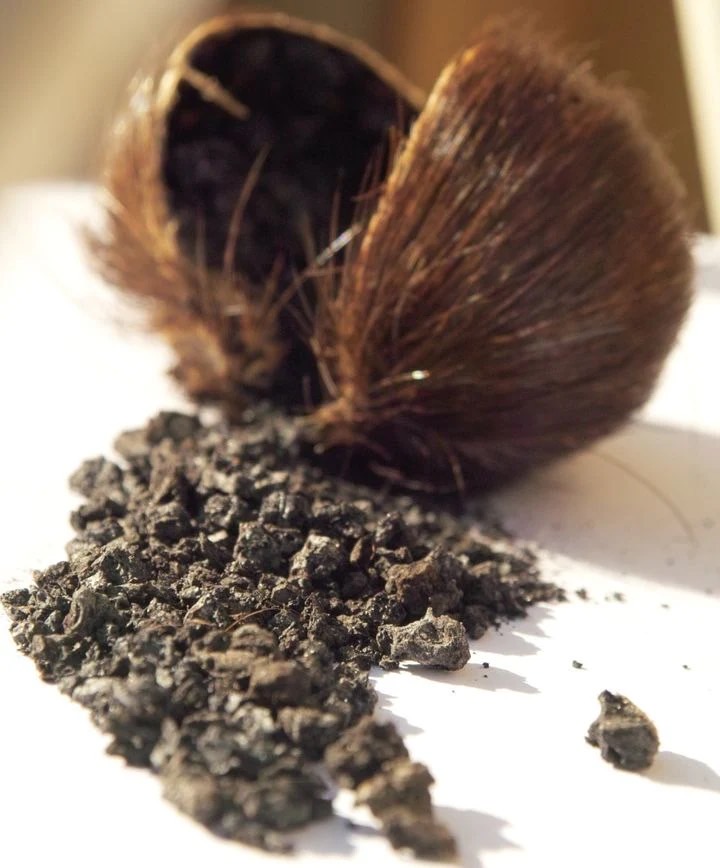
This study looked at a substance called muscone, which is best known for its smell. It’s the main ingredient behind the strong scent of musk, and it’s been used for centuries in traditional Chinese medicine, usually to improve circulation or help with brain injuries. Muscone can be found in some herbal remedies and ointments, though it’s not usually sold as a supplement on its own. What makes it interesting to scientists is that it can cross into the brain and might have protective effects on brain cells.
In this research, scientists tested muscone in lab models of Parkinson’s disease, including mice with Parkinson-like symptoms. Parkinson’s disease is caused by the gradual death of brain cells that produce dopamine, a chemical that helps control movement. Once those cells are gone, they don’t grow back. Many researchers believe that one of the ways these cells die is through something called ferroptosis — a type of cell death caused by too much iron and damage to fats in the cell membranes.
The researchers found that muscone helped protect the brain cells. The animals treated with muscone moved better, and their dopamine-producing cells were healthier compared to untreated ones. The treatment seemed to stop or slow down ferroptosis. Specifically, muscone helped lower the amount of iron that had built up in the brain, and it also protected the cells from the damage caused by unstable molecules (a type of stress known as oxidative stress). Muscone boosted the brain’s own defence systems, including chemicals that help clear away harmful substances.
The study also showed how muscone worked. It helped restore the balance between the damaging processes and the body’s natural protection. It stopped iron from triggering a chain reaction that kills cells. It also helped increase levels of a substance called glutathione, which the brain uses to protect itself from damage.
This kind of research is important because we don’t yet have a treatment that can stop Parkinson’s disease from getting worse. Most current medicines only treat the symptoms. By showing that muscone can protect brain cells before they die, this study adds to a growing number of experiments looking at ways to actually slow or prevent the damage from Parkinson’s disease.
However, it’s still early days. This was a preclinical study, which means it was done in the lab, not with human patients. We don’t know yet whether muscone is safe or effective in people with Parkinson’s. More testing, including clinical trials, would be needed to see if muscone could ever be used as a real treatment.
Still, the idea that something originally known for its scent might help protect the brain is a fascinating one. It’s another step in understanding how Parkinson’s disease works — and how we might one day stop it.
Comments (0)
Loading comments...