


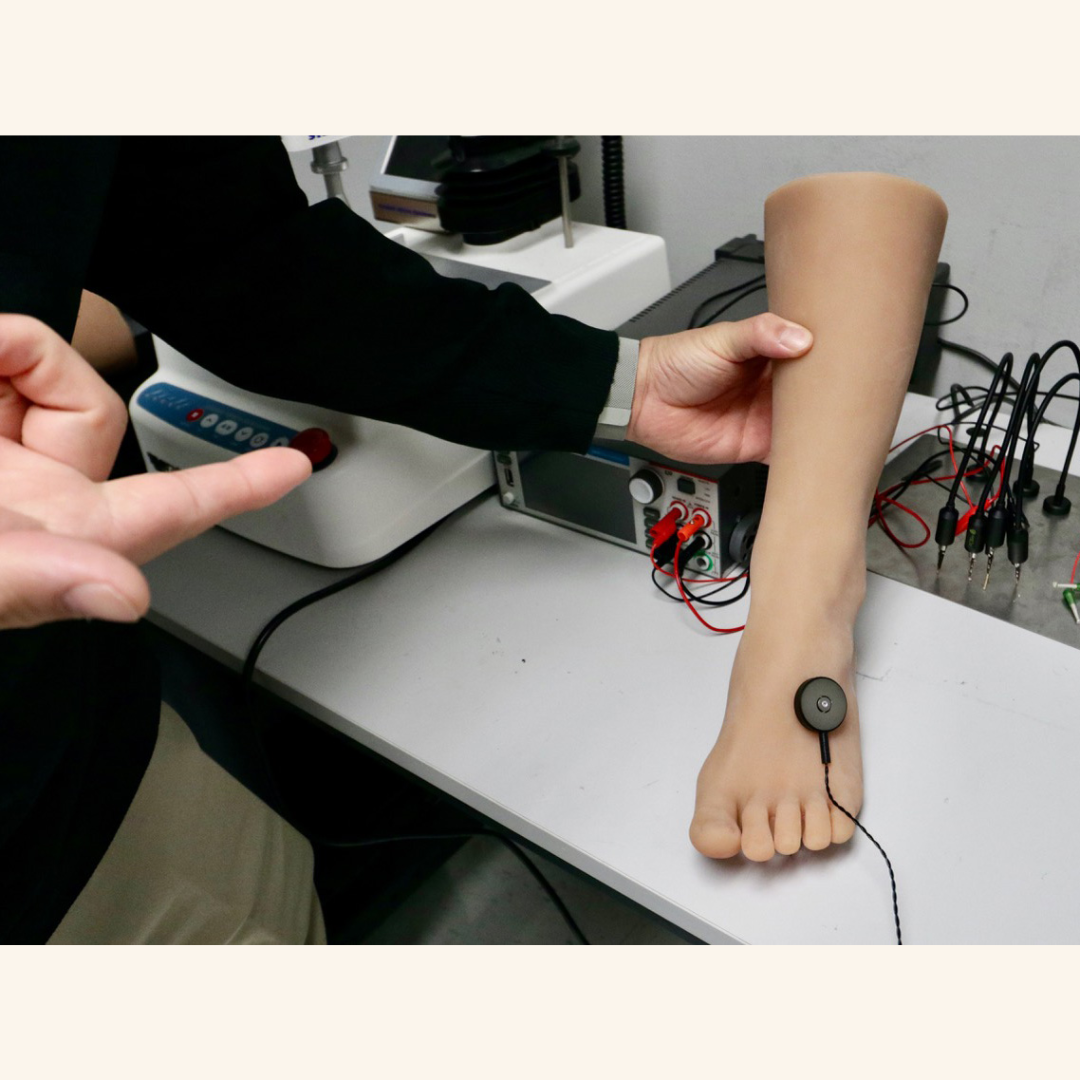
Wearable technology could soon make vibration therapy a seamless part of daily life for people with Parkinson's
July 15, 2026
 Beatrice
For decades, vibration therapy has shown real promise in helping people manage mobility, balance, and walking. However, the technology has traditionally relied on bulky, heavy equipment with short battery life, making it highly impractical for older adults to use comfortably throughout the day.
Professor Daeha Joung and his research team at Virginia Commonwealth University are changing this by redesigning the technology from scratch. Instead of rigid, awkward hardware strapped to the body or built into heavy shoes, the team is creating soft, flexible electronics that fit comfortably into everyday clothing.
One of the biggest breakthroughs in this new design is the ability to personalise the treatment. Everyone reacts to vibration differently because of natural variations in skin and neurological systems. The new wearable platform features built-in sensors that measure the exact amount of vibration reaching the skin. This allows clinicians to monitor the treatment in real time via a smartphone app and tailor the settings to each individual.
Energy efficiency is another major step forward. Existing devices often drain standard batteries in just a few hours, requiring frequent recharging. The new system uses a low-power design that can operate for ten hours or more on a single charge, allowing users to go about their day without interruption.
To bring this innovation to life, the physics team collaborated closely with researchers in nursing, chemical engineering, and fashion design. This teamwork ensured the wearable wrap is safe, durable, and easily accessible for people with mobility challenges.
The ultimate goal is to move the technology from the laboratory into the real world. The team aims to begin testing the soft devices with people in clinical research settings within the next year, with the hope that this wearable platform will eventually assist with wider neurological rehabilitation and independent living.
Comments (0)
Loading comments...