


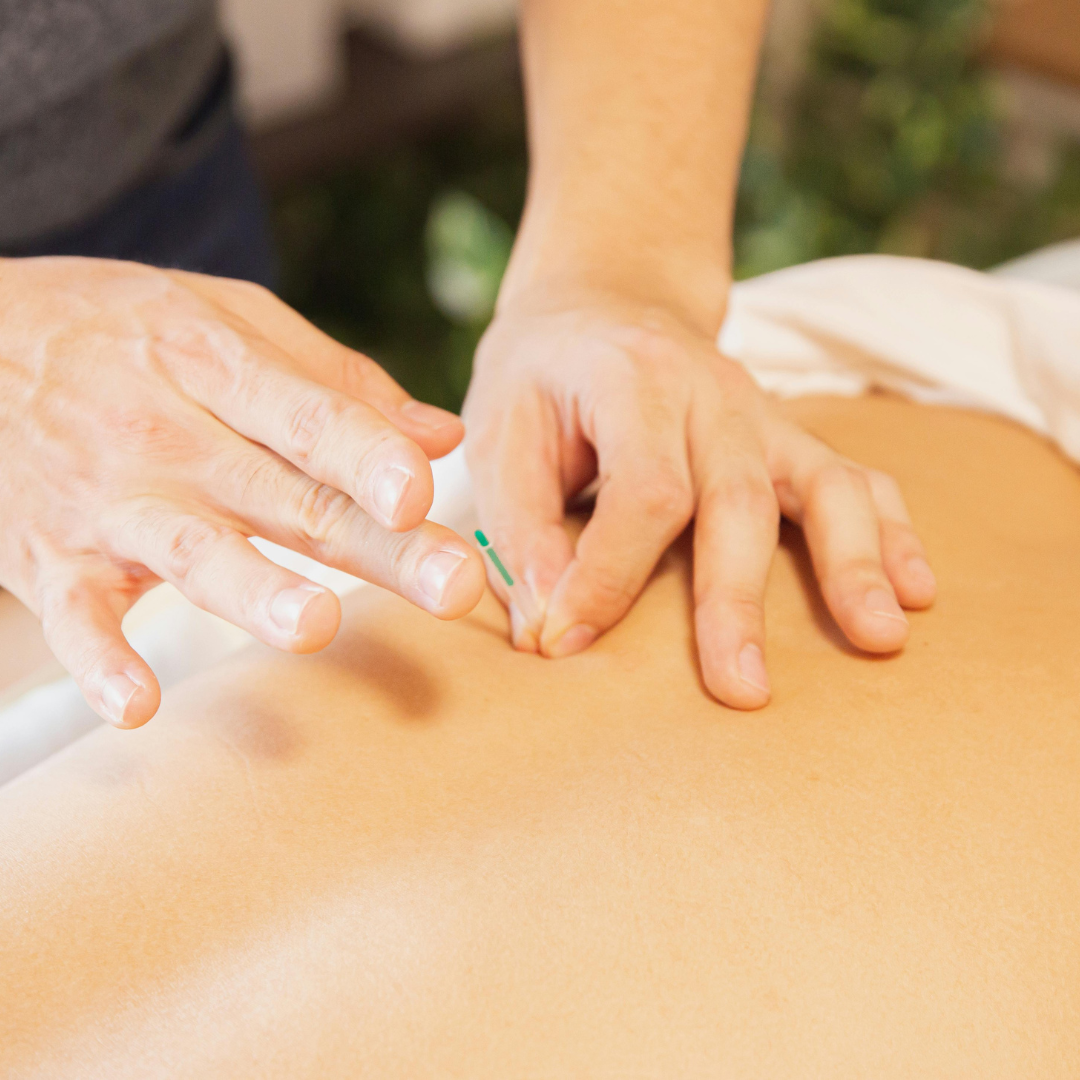
Acupuncture alters brain activity in people with Parkinson's according to a European researchers' review
October 26, 2026
 Beatrice
More than half of the people living with Parkinson's in countries like Singapore and South Korea turn to acupuncture to help manage their daily symptoms. Despite its huge popularity, science has struggled to explain whether those tiny needles are actually changing the brain or simply offering a comforting placebo effect. In October 2026, a team of researchers led by Catarina Ramos Pereira at the University of Porto decided to look inside the brain for answers. They gathered every available clinical study that used functional magnetic resonance imaging, a type of scan that tracks blood flow to see which brain areas are working, to watch what happens when people with the condition receive acupuncture.
The team tracked down seven separate studies conducted across South Korea, China, and Taiwan between 2009 and 2024. In total, these studies involved 151 people with Parkinson's and 36 healthy volunteers. While the studies were quite small, ranging from just 8 to 74 participants, they all used the same type of high powered brain scanner to watch the brain respond in real time or over a course of several weeks.
What stood out immediately was a remarkable overlap in the brain areas that lit up across the different trials. Even though the researchers in different countries worked independently and used various needle techniques, the scans consistently showed activity changing in the exact hubs that control movement, balance, and sensation. These areas included the primary motor cortex, the thalamus, the cerebellum, and the putamen, which are the very networks that struggle to communicate smoothly in Parkinson's.
Five of the seven studies focused on one specific acupuncture spot located just below the knee on the outer side of the lower leg, known in traditional Chinese medicine as GB34 or Yanglingquan. Stimulating this single point on the leg repeatedly woke up the deep movement centres of the brain. When practitioners added other points, such as spots on the scalp or near the big toe, the brain scans showed wider changes that reached into networks responsible for thinking, mood, and processing pain.
These brain changes frequently matched the exact physical improvements people experienced during the trials. In a Chinese study of 41 people experiencing tremor, 12 weeks of acupuncture calmed the tremor while simultaneously adjusting activity in the brain circuit connecting the cerebellum, thalamus, and motor cortex. Another small study using scalp needles found that shifts in frontal and cerebellar brain activity went hand in hand with longer strides and faster walking speeds. Meanwhile, a trial in Taiwan focusing on pain showed that 16 sessions of acupuncture dialled down pain scores by nearly half, which lined up neatly with changes in the brain's pain and touch centres.
Before booking a block of appointments, it is important to look at the hefty caveats the Portuguese review team uncovered. When the researchers graded the quality of these seven studies, not a single one passed with flying colours. In fact, every study had a high or serious risk of bias, meaning the way they were set up could easily skew the results.
The biggest hurdle in acupuncture research is the power of expectation. If you know you are getting treated, your brain naturally releases its own feel good chemicals. In the Taiwanese pain study, participants simply chose whether they wanted to be in the acupuncture group or the control group. Unsurprisingly, people who actively wanted acupuncture and expected it to work reported feeling much better than those who opted out.
To prove that the needles themselves are doing the heavy lifting, scientists have to compare real acupuncture against sham acupuncture, using blunt trick needles that do not actually pierce the skin. Only two of the seven studies tried this. In one South Korean study that tested real needles against trick needles in a single session, nine out of ten participants easily spotted which treatment was the real deal, largely spoiling the disguise. In the 12 week tremor trial, several people in the fake needle and waiting list groups dropped out early because they felt the treatment was not working, which was not properly accounted for in the final maths and made the real acupuncture group look artificially successful. Furthermore, three of the published papers actually came from the exact same research programme in South Korea, meaning the total pool of evidence is smaller than it looks at first glance.
Because the existing trials are so small and methodologically leaky, the review authors emphasise that there is not yet enough solid proof to recommend acupuncture as a standard medical treatment for Parkinson's. The brain scans prove that something fascinating is happening inside the head during a session, showing clear changes in the exact neural pathways affected by the condition. However, science still cannot say for certain how much of that brain activity comes from the precise placement of the needle, how much comes from the relaxing ritual of the appointment, and how long those benefits truly last.
What this review really offers is a clear blueprint for the future. By pointing out the flaws in past experiments, the authors have mapped out exactly what a gold standard trial needs to look like. Until researchers run larger studies with convincing trick needles and longer follow up times, brain scans will continue to show us what acupuncture does to the brain, while leaving it up to each person to decide what it does for their own day to day life.
Comments (0)
Loading comments...