


How Exercise Releases Exerkines to Protect and Repair the Brain in Parkinson’s
October 7, 2024
The idea that exercise is like medicine has been around for a long time. Now, we're learning more about how exercise helps protect our organs and tissues at a molecular level. In this review, reseachers talked about the importance of exercise and different types of exercise programs that can benefit people with Parkinson’s disease. They explained how exercise causes the body to release certain molecules, called exerkines, which can protect the brain and might even help repair it in people with Parkinson’s.
Parkinson’s disease is complex and progresses differently for each person, so it’s important to have personalized treatment plans. PwP also have different levels of physical fitness, which can affect both their physical and mental health. This review is meant to help Care Teams (both professionals and family members) understand how to use different types of exercises—like aerobic exercise, strength training, balance exercises, and stretching—to create customized plans for PwP.
By understanding how exerkines work, Care Teams and PwP can better appreciate how exercise protects the brain. As we learn more about these molecules, it will open up new ways to improve the health and well-being of PwP, both through exercise and future treatments.
Exercise is a key part of treating Parkinson’s disease (PD). Regular physical activity is known to improve overall health, especially in older adults, by boosting insulin sensitivity, reducing body fat, improving heart function, increasing blood flow to the brain, and building muscle strength. When we exercise, our bodies produce and release certain molecules called exerkines. These molecules come from different tissues like muscles, the heart, liver, fat, and even the brain. Exerkines travel through the body, helping different organs communicate, especially the brain and muscles. This process helps protect the brain from diseases and can improve mental health.
Research shows that exercise can help manage both the physical and neurological symptoms of PD. This review highlights how different types of exercise, like aerobic and strength training, can help slow the progression of PD by promoting the release of neuroprotective exerkines. These exerkines help protect and repair the brain, showing how important exercise is in managing PD.
Aerobic exercises like walking, and resistance training like weightlifting, are particularly helpful, but exercises that focus on coordination and flexibility are also important for improving quality of life for people with PD. Overcoming obstacles to regular exercise is essential, and finding ways to stay active can make a huge difference in managing the disease.
Aerobic Exercise Explained:
Aerobic exercise refers to activities that get your heart rate up and keep it elevated for a while, improving heart health and overall well-being. For people with Parkinson’s disease (PD), aerobic exercise is one of the most important tools for managing symptoms. It helps with movement issues and even boosts brain function. Researchers have found that aerobic exercise can improve balance, movement, and quality of life in those with PD.
Benefits for Movement Issues:
Aerobic exercise improves your heart and lungs, making it easier to do everyday tasks. Physical therapists recommend moderate to vigorous aerobic exercises (where your heart rate reaches 60–85% of its maximum) to help with oxygen use, reduce PD symptoms, and improve mobility. Studies show that aerobic exercise can slow down motor decline and improve walking, balance, and daily activities. These improvements are seen in various exercises, like walking on a treadmill, cycling, aquatic therapy, Nordic walking, or even gaming-based exercises that involve movement.
Other forms of exercise at similar intensity levels—like outdoor cycling, rowing, stair climbing, or dancing—are likely to have similar benefits.
Brain and Mental Benefits:
Aerobic exercise doesn’t just help with movement; it also boosts mood and brain function. Some studies have found that aerobic exercise improves brain structure and thinking skills in people with PD. For example, a study using a stationary bike found that aerobic exercise increased connections between key areas of the brain and reduced brain shrinkage, improving both movement and thinking.
Another study showed that aerobic exercise might increase dopamine release in the brain, helping with motor control. In a large study, people who did high-intensity treadmill exercises saw significant improvement in their Parkinson’s symptoms compared to those who exercised at a moderate intensity.
Long-term aerobic exercise has also been linked to preventing age-related mental decline. One study found that cycling exercises for eight weeks improved both thinking skills and mood in people with PD, while another showed that combining walking with mental tasks improved walking speed and balance.
Finally, in a smaller study, people with early-stage PD who did vigorous exercise for six months showed an increase in dopamine transport in key brain areas, suggesting that exercise might protect or even restore brain function in people with PD.
Resistance Training Explained
Resistance training, or strength training, is a key part of exercise routines for people with Parkinson's disease (PD). It helps build muscle strength, endurance, and overall fitness, which is important because PD can cause muscle stiffness and weakness. Exercises like weightlifting, using resistance bands, and machine-based workouts are often used and can be adjusted to fit the abilities of individuals with PD. These exercises focus on strengthening major muscles, including the arms, legs, and core, and are gradually increased in difficulty over time to keep challenging the muscles.
Impact on Movement and Disease Symptoms:
Progressive resistance training (gradually increasing the weight or resistance over time) is especially helpful for improving strength and reducing the severity of PD symptoms. This type of exercise boosts muscle power and helps with everyday activities like walking and standing up from a chair. Studies have shown that resistance training can lead to better outcomes in PD patients compared to those who just take medication or follow low-intensity exercise programs.
One approach, called Resistance Training with Instability (RTI), where exercises are done on unstable surfaces, has been shown to improve key muscle groups that are important for walking. This method improves posture and walking ability better than traditional resistance training. Although some studies have mixed results, resistance training generally improves mobility and functional capacity, making it easier for people with PD to move around.
Benefits Beyond Movement:
Resistance training not only helps with physical symptoms but also improves mental health and quality of life for people with PD. Many non-motor symptoms, such as depression and anxiety, do not respond well to medication, but resistance training has been shown to help. For example, it can improve breathing, mood, and even attention and memory after consistent practice.
In one study, a 16-week resistance training program improved breathing strength, leading to better quality of life. Another study showed that after 24 months of resistance training, participants had better attention and working memory. This suggests that while resistance training is mainly focused on physical benefits, it also has positive effects on mental health and cognitive function.
Neuromotor Exercises for Gait, Balance, and Fall Prevention:
Parkinson’s disease often causes balance issues, slow movements, and a higher risk of falls. Neuromotor exercises—focused on improving balance, walking, and posture—are an important part of managing these problems. These exercises aim to improve overall movement and reduce the risk of falls, which can greatly impact the quality of life for people with PD.
There are several types of neuromotor exercises that can help with PD symptoms, such as PWR!Moves, Rock Steady Boxing, Nordic walking, dance programs, and even activities like golf or tai chi. These programs are designed to improve both physical and mental health, and they offer hope for people with PD to maintain their independence and improve their quality of life at every stage of the disease.
For more specific challenges, such as freezing of gait or difficulty swallowing, specialists work with physical therapists, occupational therapists, and speech therapists to create personalized treatment plans. Programs like LSVT-LOUD, which helps with voice and communication, and LSVT-BIG, which focuses on improving movement, are highly effective in helping people with PD manage their symptoms. Group programs like Dance for PD or Rock Steady Boxing also offer social connection and physical benefits, making them popular options for PD management.
Stretching and Flexibility Exercises to Reduce Muscle Stiffness
Muscle stiffness, or rigidity, is a common problem for people with Parkinson's Disease (PD). This stiffness can affect major muscles in the arms, legs, and torso, sometimes more on one side of the body in the early stages. It can lead to balance problems and fatigue, and over time, can cause a hunched posture, which increases the risk of falling.
Doctors will monitor muscle stiffness as the disease progresses. When stiffness is severe, it can make people with PD less motivated to do important aerobic and strength exercises, leading to a more inactive lifestyle. It's crucial for people with PD to understand that stretching and flexibility exercises can help manage stiffness and improve quality of life.
Creating a regular stretching routine with the help of a physical therapist (ideally someone with PD experience) is very beneficial. Even everyday physical activities, like carrying groceries, watering plants, or tidying up, can help reduce stiffness. Many clinical trials use stretching exercises as a baseline to compare other types of exercise, showing that stretching and flexibility exercises should be a regular part of life for people with PD.
Review of Research on Exercise for Parkinson's Disease:
Research has consistently shown that exercise improves symptoms in people with Parkinson's Disease. Several large reviews and studies have examined different types of exercise—like aerobic exercises, strength training, and balance activities—and their effects on symptoms and overall health.
One study by Flach et al. found that aerobic exercise significantly improved motor symptoms in people with PD, as measured by the UPDRS (Unified Parkinson’s Disease Rating Scale), a tool doctors use to assess the severity of the disease. Similarly, Steiger and Homann reviewed 28 studies and recommended that PD patients, especially in the early to mid-stages of the disease, engage in a mix of aerobic and strength training exercises to improve gait, balance, and strength.
A study by Choi et al. reviewed 18 studies and found that exercise therapies, like walking, strength training, and balance exercises, significantly improved overall symptoms, including motor function, balance, and gait.
Aerobic exercise, like walking on a treadmill or cycling, was found to be particularly effective for improving motor symptoms and physical fitness in people with PD. According to Schootemeijer et al., moderate-to-vigorous aerobic exercise for around 30 minutes, four times a week, was especially helpful for those in the earlier stages of the disease. While aerobic exercise helped with physical fitness and motor symptoms, it did not always improve overall quality of life, according to some studies.
Strength training also proved beneficial, with Gamborg et al. finding that resistance training (using weights or weight machines) significantly improved motor symptoms and quality of life. Their review of several studies suggested that strength training may have more benefits for quality of life compared to aerobic exercises.
Research from Hao et al. looked at different exercise types—like yoga, Tai Chi, treadmill walking, and resistance training—and found that many of these exercises improved motor function. In particular, activities like dancing and virtual reality exercises showed significant improvements in symptoms.
Across the board, these studies support the idea that exercise, particularly aerobic and strength training, plays an important role in managing Parkinson’s Disease symptoms. While there is no "best" type of exercise, consistent physical activity tailored to a person's stage of PD can help improve both motor and non-motor symptoms, leading to a better quality of life.
Exercise Suggestions for People with Parkinson’s Disease (PD)
There are four main types of exercises that are important for people with PD:
Cardiovascular endurance (aerobic exercise)
Strength (resistance training)
Flexibility (stretching and flexibility exercises)
Balance and agility (neuromotor exercises).
Before starting any exercise program, it’s essential to get a full check-up from a neurologist and physical therapist. This helps ensure safety and takes into account the stage of Parkinson’s, exercise history, medication use, and other health conditions.
Resistance Training
Strength training is recommended to build muscle and improve function, which are often affected by PD. For early-stage PD, it's suggested to work up to 60-80% of your maximum effort, with 3 sets of 10 repetitions, twice a week. For people with moderate to advanced PD, it's suggested to work at 50-69% of your maximum effort with 1-3 sets of 10 repetitions, twice a week.
Neuromotor Exercises
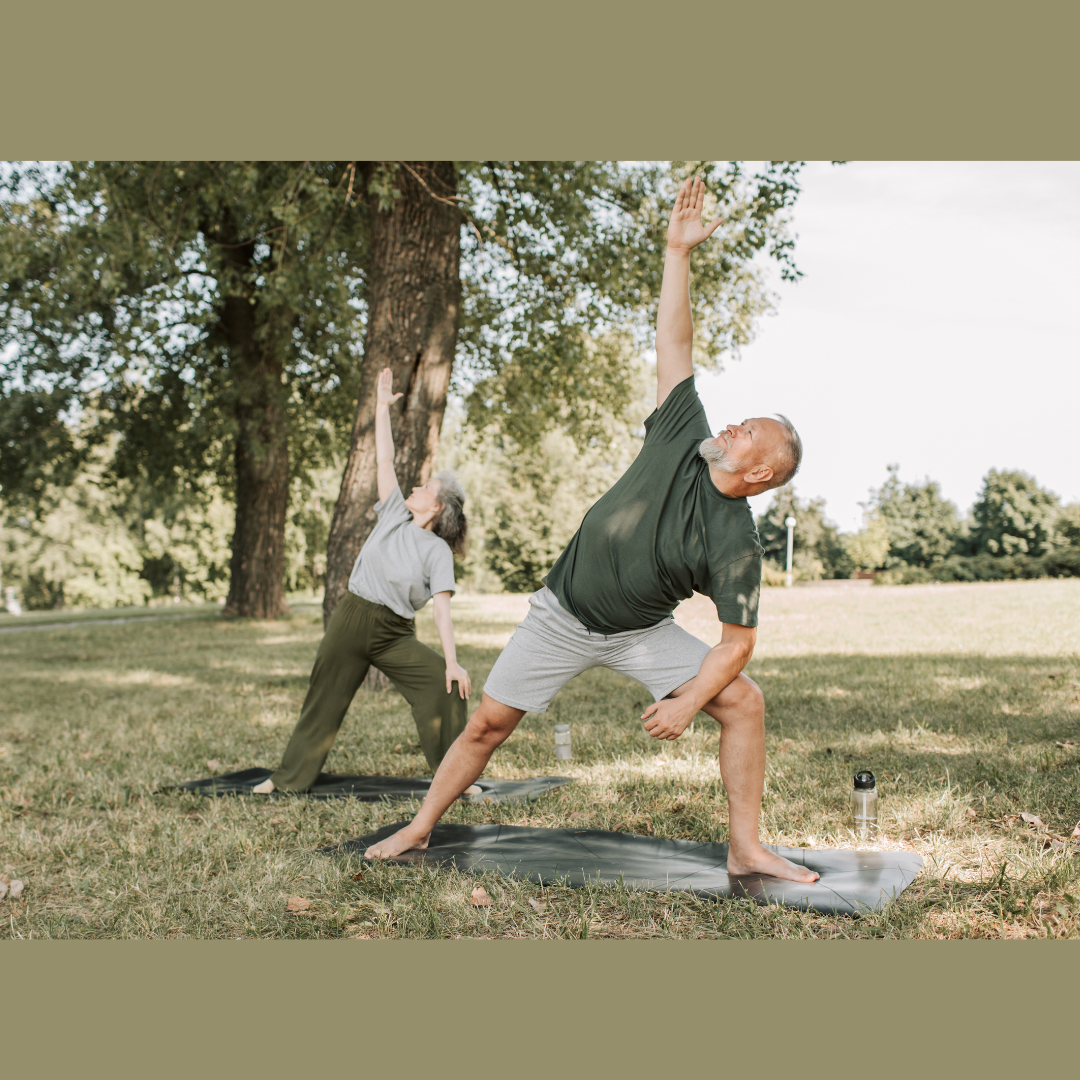
Exercises that improve balance and agility are important for overall quality of life. These can include activities like Tai Chi, yoga, or other balance-focused routines.
Stretching and Flexibility
Stretching is crucial for reducing muscle stiffness and should be part of your exercise routine. Flexibility exercises help with rigidity and are essential for a well-rounded workout plan.
By following these exercise guidelines and working with your care team (doctors and therapists), you can create a personalized exercise plan that will help manage symptoms and improve your quality of life over time.
Weekly Exercise Routine Suggestions
It's recommended to include all four types of exercise—cardio, strength training, neuromotor exercises, and flexibility training—into your weekly routine.
For aerobic exercise, the goal is to work at a moderate to vigorous intensity:
For early-stage PD, aim for 60-85% of your maximum heart rate (HRmax), for 120-150 minutes per week. This could be spread across three 40-50 minute sessions per week. Start at the lower end of the intensity (60% HRmax) and gradually work your way up to 85%.
For moderate to advanced-stage PD, a moderate intensity of 50-70% of HRmax is recommended, aiming for the same 120-150 minutes per week, split into 3-5 sessions.
In all cases, it's important to start slow if you're new to exercise and gradually increase intensity as you become more comfortable. The plan should be adjusted based on your personal abilities, willingness, health status, and stage of PD.
Comments (0)
Loading comments...