


The Bone-Brain Axis: How Your Skeleton Influences Parkinson’s
March 19, 2026
The latest research from Nature (npj Parkinson's Disease) has uncovered a fascinating new link in how we understand the condition: the "bone-brain axis". For years, the scientific community has focused primarily on what happens within the skull, but this study suggests that a protein called GPNMB acts as a critical bridge between our skeletal health and our neurological well-being.
The Bone-Brain Connection
Traditionally, bone loss or thinning in people with the condition was seen as a side effect—something caused by reduced mobility or a lack of vitamin D. However, this new genomic analysis flips that narrative. The researchers have identified that GPNMB is not just a passive marker; it plays a causal role in the condition's development.
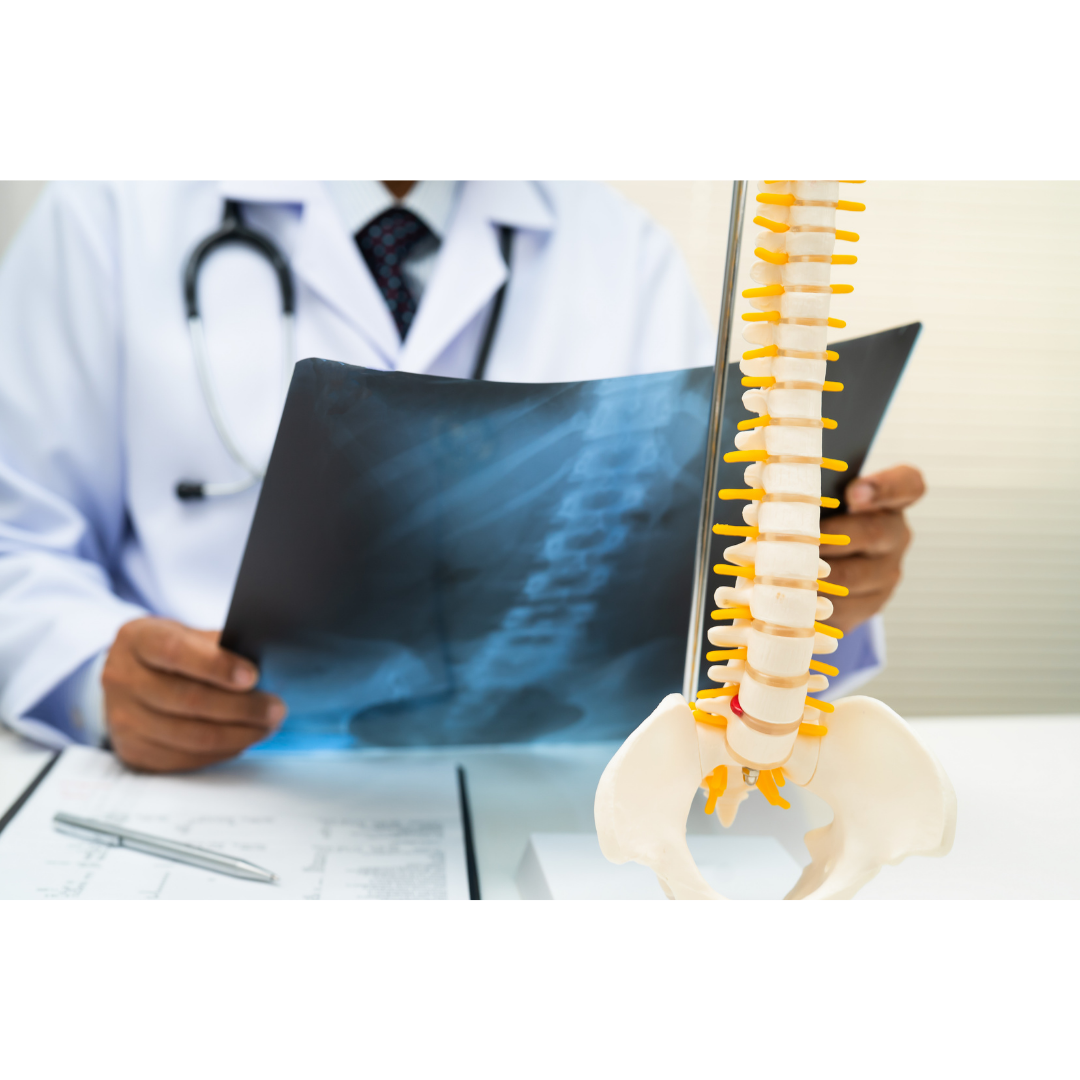
The "bone-brain axis" refers to the constant communication between our bones and our central nervous system. Bones are active organs that secrete hormones and proteins into the bloodstream. In this case, GPNMB appears to be a key messenger. When levels of this protein are disrupted, it doesn't just affect bone density—it sends signals that may accelerate the neurodegeneration happening in the brain.
Why GPNMB Matters
The study utilized integrative clinical and genomic data to prove that GPNMB is a "risk gene." This means that certain genetic variations leading to higher levels of this protein can directly increase the likelihood of developing the condition.
More importantly, the research found that GPNMB interacts closely with alpha-synuclein, the protein responsible for the toxic clumps often found in the brains of people with the condition. GPNMB seems to act like a "permissive gatekeeper," helping these toxic proteins enter neurons and spread the damage.
A New Frontier for Treatment
This discovery is a major win for the "lifestyle as medicine" approach. If the condition is truly systemic—meaning it involves the bones as much as the brain—then managing bone health becomes a vital part of the strategy.
For people currently managing the condition, this research underscores the importance of weight-bearing exercise and nutrition that supports bone density. By keeping the "bone" side of the axis strong, we may be able to influence the "brain" side of the equation.
It also opens the door for new biomarkers. Since GPNMB levels can be measured in the blood and plasma, it could eventually lead to a simple test to track how well a person is "outsmarting" the progression of their condition. This shift in perspective proves once again that we cannot treat the brain in isolation; we must look at the whole body to find the cure.
Comments (0)
Loading comments...