


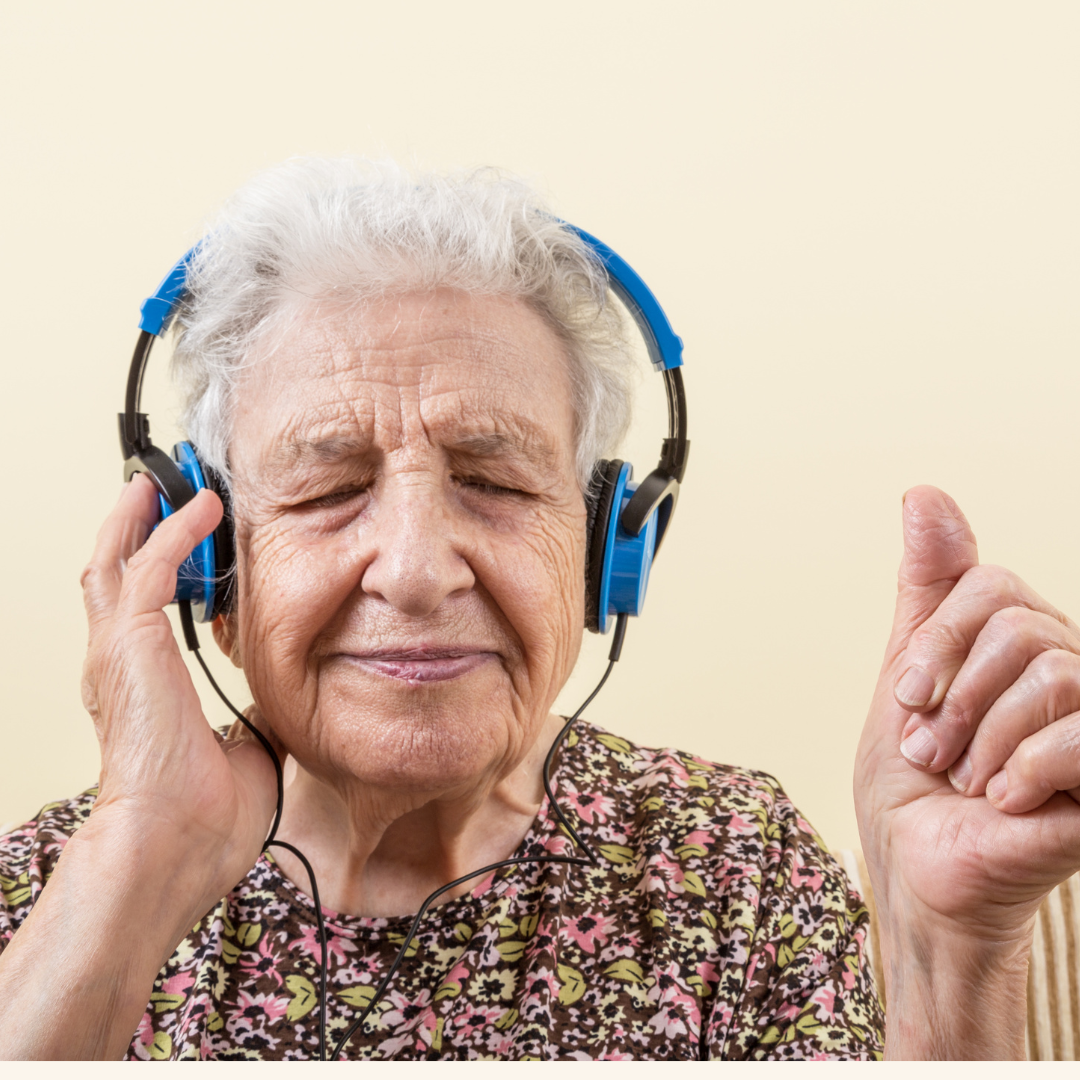
Creative expression offers powerful therapeutic benefits for balancing movement and mood in Parkinson’s
June 23, 2026
A captivating discussion between renowned neurologist Professor Bas Bloem and the Michael J Fox Foundation highlighted a truth that many in the community have long known intuitively: art is not just a pleasant distraction, but a profound therapeutic tool. During the interview, Professor Bloem shared how engaging with art, whether by creating it or simply absorbing it, acts as a form of non-pharmacological care that can actively soothe the nervous system. He noted that diving into creative activities can remarkably ease physical symptoms like tremors while simultaneously lifting mood and quieting anxiety. It is a beautiful reminder that feeding the soul with creativity directly supports brain health and overall wellbeing.
Validating this conversation with rigorous science, a massive systematic review and meta-analysis has just been published, taking a deep dive into decades of clinical data. This comprehensive study pulled together findings from multiple trials to scrutinise exactly how various arts-based interventions impact both motor and non-motor symptoms. By pooling data from diverse creative therapies, the researchers wanted to see if the therapeutic spark of art could hold up under strict scientific measurement. The verdict is a resounding yes. Creative therapies deliver distinct, measurable benefits that complement traditional medical treatments.
When looking closely at the movement data, the study revealed that structured, rhythm-based art forms like dance and music-led therapies do something extraordinary for physical mechanics. Participants across the trials showed significant improvements in walking speed, stride lengths, and overall balance. This happens because the brain utilises the steady cadence of music as an external clock, bypassing the damaged internal timing systems to find alternative neural pathways for muscle coordination. The physical practice of movement through art helps to loosen stiffness, steady shaky steps, and build the physical confidence needed for daily activities.
The researchers also uncovered equally powerful benefits for the symptoms that are not visible to the naked eye. Delving into the data on mental and emotional wellbeing, the meta-analysis showed a striking drop in anxiety and depression scores for those participating in creative arts. Engaging the mind in visual arts, singing, or expressive movement provides a robust cognitive workout that stimulates problem-solving and focus, keeping the brain agile. At the same time, these activities foster a deep sense of social connection and joy, tackling the isolation that often accompanies the condition. Ultimately, this comprehensive review proves that bringing art into care provides a holistic, effective way to reclaim control over both body and mind.
Comments (0)
Loading comments...