


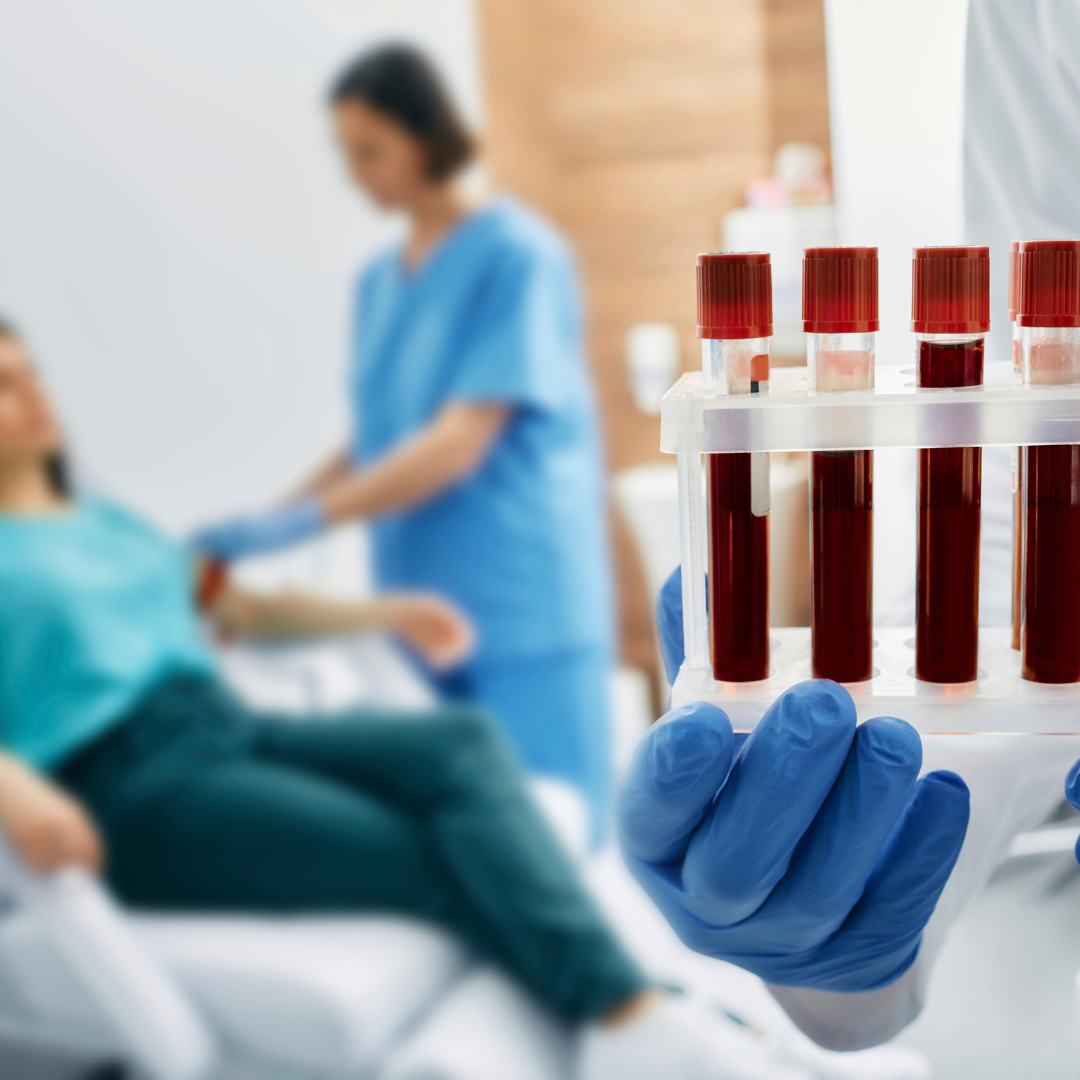
A simple blood test measuring circular molecules can accurately identify the type of Parkinson's or parkinsonism and track its severity
July 13, 2026
 Beatrice
Another piece of evidence highlights why blood tests are becoming increasingly important for people living with Parkinson's.
Researchers have discovered that certain circular molecules in our blood could act as a biological compass to clear up a major diagnostic puzzle. Telling typical, idiopathic Parkinson's apart from rarer lookalike conditions known as atypical parkinsonian syndromes is notoriously tricky during the early stages because their initial symptoms look so similar. To solve this, a team of scientists looked closely at circular ribonucleic acid molecules, which are highly stable, looped genetic messengers found within our blood cells.
The research team, including Stylianos Ravanidis and Epaminondas Doxakis, focused on these loops inside peripheral blood mononuclear cells, which are a mix of everyday immune cells. Unlike standard linear genetic material, these circular versions are locked into a continuous ring, meaning they do not degrade easily. Because these specific loops are highly active inside the human brain, the team suspected they might spill a measurable signature into the bloodstream that mirrors neurological health.
To test the theory, the investigators analysed blood samples from 140 people, consisting of 43 individuals with classic Parkinson's, 35 with multiple system atrophy, 19 with progressive supranuclear palsy, and 43 healthy control participants. By tracking 46 candidate molecules, they found six specific circular loops that varied dramatically between the groups. The names of these specific genetic rings include SLC8A1, MAPK9, MGA, AGTPBP1, SFMBT2, and HIPK3. Interestingly, the concentration of these loops was consistently at its lowest in people with classic Parkinson's and reached its highest levels in those with progressive supranuclear palsy.
Remarkably, these microscopic loops did more than just distinguish one condition from another. The team found that the genetic profiles directly tracked clinical severity across the different syndromes. Certain loop levels closely aligned with specific cognitive challenges, mood changes, working memory performance, and motor coordination difficulties. While larger international validation trials are still necessary before this can be turned into a standard clinic test, this discovery represents a major leap toward using a simple blood draw to give people an accurate diagnosis and targeted care much sooner.
Comments (0)
Loading comments...