


From Clinical Trials to Everyday Care: The Global Launch of Adaptive DBS
March 16, 2026
Adaptive Deep Brain Stimulation (aDBS) is no longer just a research study—it is now a clinically available reality for people with Parkinson's globally. Traditionally, Deep Brain Stimulation (DBS) has acted like a fixed pacemaker for the brain, delivering a constant electrical signal to specific regions, such as the subthalamic nucleus, to suppress tremors and rigidity. However, because symptoms of the condition fluctuate throughout the day and often disappear during sleep, providing a continuous "always-on" signal is not always efficient.
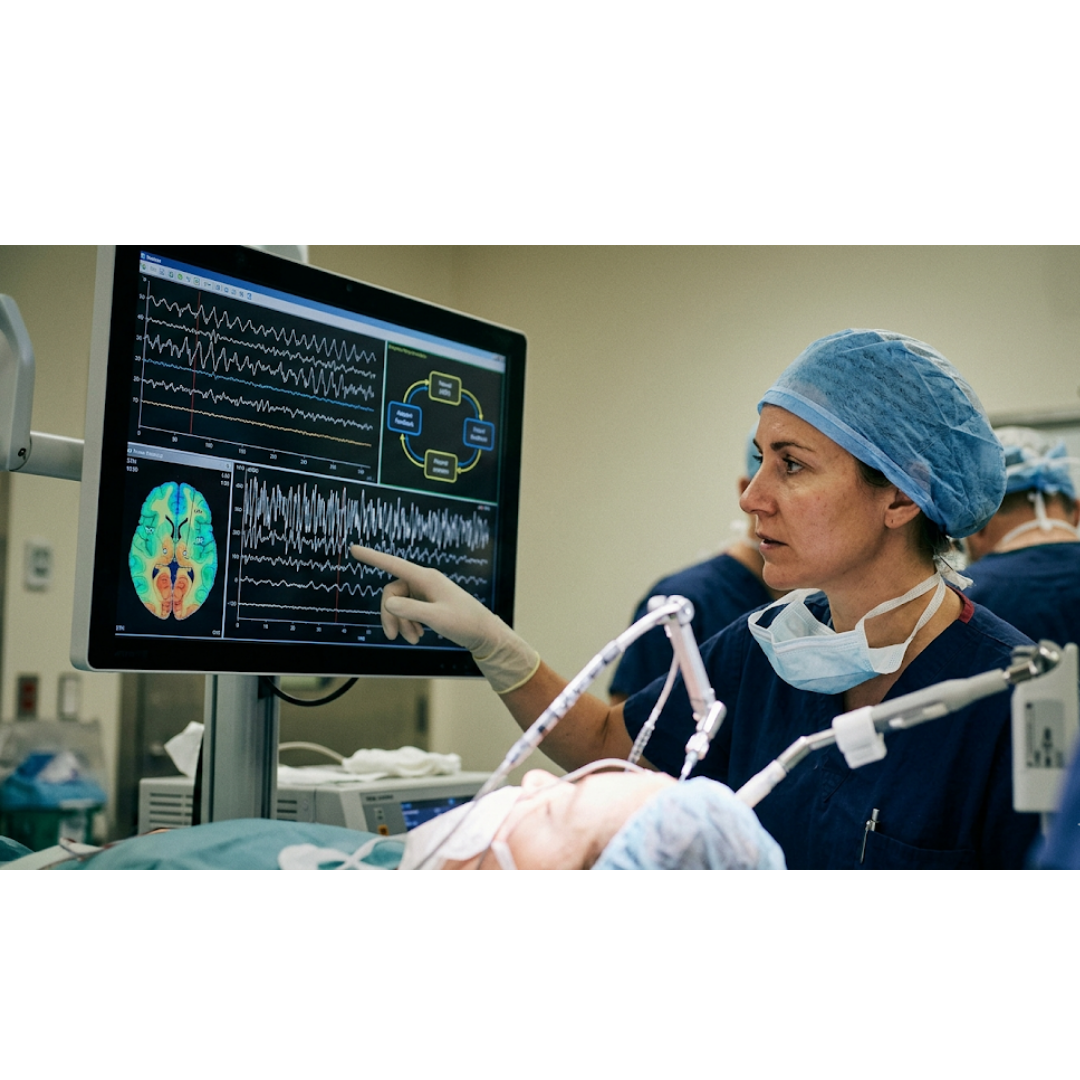
This technology highlights a shift toward "closed-loop" systems. Unlike standard DBS, these adaptive systems do not just deliver electricity; they listen first. By recording the brain's own electrical signatures—specifically a type of brainwave activity known as beta oscillations—the device can detect exactly when symptoms are emerging. When the beta activity spikes, indicating that the person is becoming stiff or tremulous, the device increases stimulation. When the brain activity returns to a normal pattern, the device automatically dials back.
One of the most significant benefits of this approach is the reduction of side effects. Constant stimulation can sometimes interfere with other brain functions, leading to difficulties with speech or swallowing. By only delivering the necessary amount of energy at the right moment, aDBS minimizes these complications. Furthermore, because the device is not running at full power 24/7, the battery life of the implanted pulse generator is significantly extended, potentially reducing the frequency of follow-up surgeries to replace the battery.
There is emerging evidence that by providing stimulation that is precisely timed to the brain's needs, the device may help "rewire" neural pathways more effectively than traditional methods. This suggests a future where neurostimulation is not just a digital "band-aid" for motor issues but a sophisticated tool for long-term brain health.
As of early 2025, several major regulatory bodies have approved this "closed-loop" technology for commercial use. The most prominent system, the Medtronic Percept™ with BrainSense™ Adaptive technology, has received FDA approval in the United States and the CE Mark for use in the UK and Europe. This transition represents the largest commercial launch of brain-computer interface (BCI) technology in history, moving the "smart" neurostimulator from the lab into the clinic.
Because this technology requires specialized equipment and surgical expertise, it is currently being rolled out at leading neurological centres and "Centres of Excellence" around the world:
- United Kingdom: The first UK patient received the adaptive update at the Bristol Brain Centre (Southmead Hospital). Other major NHS and private hubs, such as St George’s University Hospitals in London and the Royal Victoria Infirmary in Newcastle, are also among the first to offer this technology to eligible people.
- United States: The technology is available nationwide at specialized movement disorder centres. High-profile institutions like Stanford University, UCHealth University of Colorado, and the Cleveland Clinic were early pioneers in switching on the FDA-approved adaptive software.
- Europe: With the CE Mark secured, aDBS is being introduced across the European Union. Specialized clinics in Italy, Germany, and the Netherlands are now integrating these self-adjusting systems into standard care.
- Asia-Pacific: While North America and Europe lead in current availability, the Asia-Pacific region—particularly Japan, where much of the early stem cell and sensing research originated—is seeing a rapid expansion of these advanced neurostimulation services.
If you or a loved one already has an implanted Medtronic Percept™ PC neurostimulator, you may not need a new surgery. In many cases, the adaptive functionality is a software update that your neurologist can "unlock" during a clinic visit. For new people, aDBS is now becoming a standard option alongside traditional "continuous" DBS.
The integration of these smart internal sensors represents a major leap in precision medicine. For people living with the condition, this means a treatment that adapts to their life in real-time, providing support exactly when it is needed and staying quiet when it is not.
Comments (0)
Loading comments...