


Using Wrist-Worn Technology to Monitor Parkinson’s Symptoms
June 2, 2025
Understanding the Challenge
Parkinson’s disease is a progressive neurological condition that affects movement. Common symptoms include tremors (shaking), bradykinesia (slowness of movement), and dyskinesia (involuntary movements). These symptoms can fluctuate throughout the day, making consistent monitoring crucial for effective treatment. Currently, symptom assessments are typically conducted during periodic doctor visits, which may not capture the day-to-day variations patients experience.
The Study's Objective
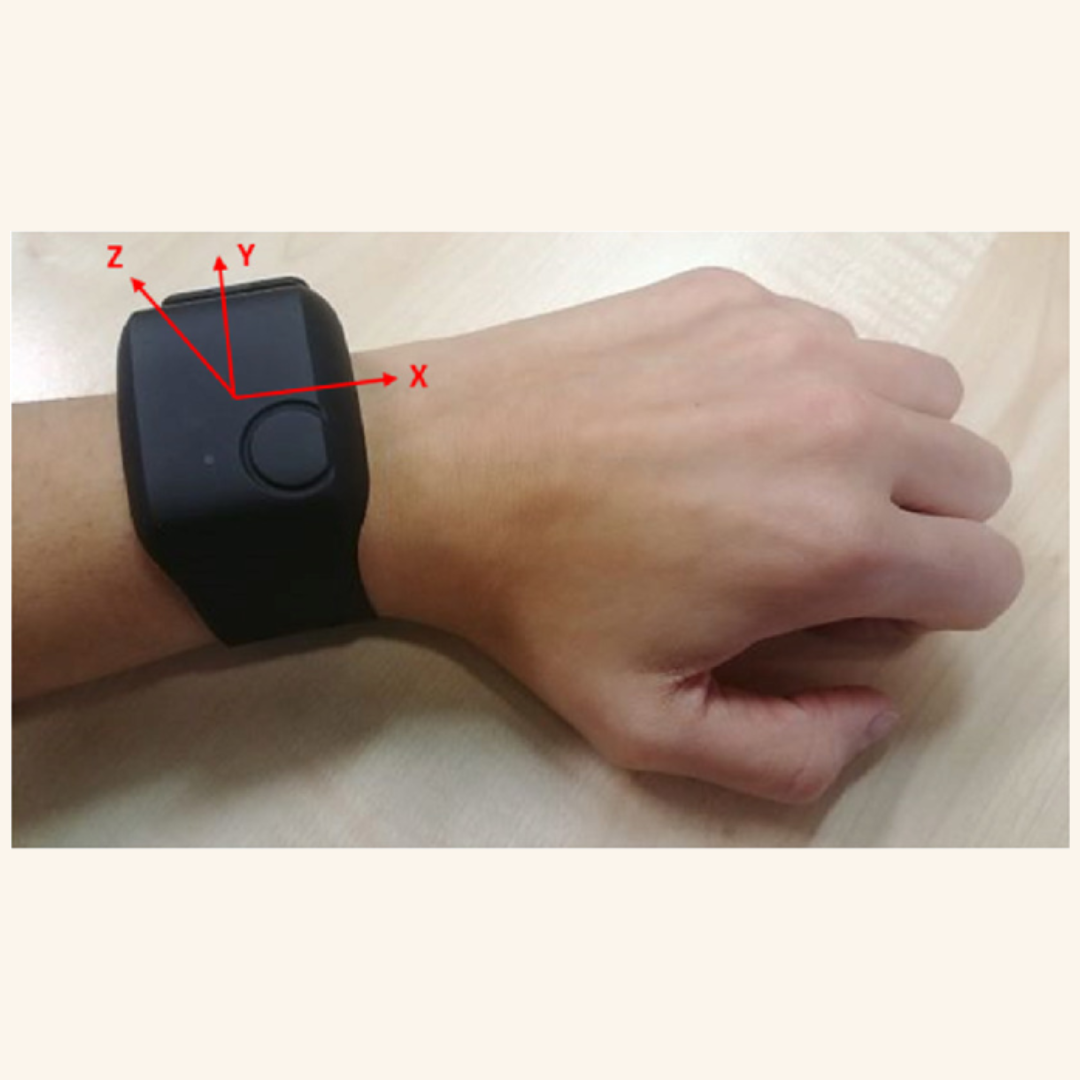
Researchers aimed to develop a method for continuous monitoring of Parkinson’s symptoms using wearable technology. They focused on analysing data from wrist-worn accelerometers—devices that measure movement—to detect and assess the severity of motor symptoms.
The Technology Behind the Monitoring
The study evaluated two advanced machine learning techniques: InceptionTime and ROCKET. Both methods are designed to analyse time-series data, like the continuous stream of movement information collected by accelerometers.
InceptionTime: This approach is adept at recognising complex patterns in large datasets, making it suitable for identifying subtle variations in movement.
ROCKET: This method is efficient with smaller datasets and can quickly process information to detect patterns.
Key Findings
The study found that both InceptionTime and ROCKET could moderately estimate the presence and severity of tremors and bradykinesia from wrist movement data. However, detecting dyskinesia proved more challenging.
Tremors and Bradykinesia: Both methods showed promise in identifying these symptoms, with InceptionTime performing slightly better in distinguishing the nuances of these movements.
Dyskinesia: ROCKET demonstrated a higher accuracy in detecting dyskinesia compared to InceptionTime, though overall detection remained difficult.
Importantly, both machine learning approaches outperformed traditional methods in analysing the accelerometer data.
Implications for Parkinson’s Care
The ability to monitor symptoms continuously through a simple wrist-worn device could revolutionise Parkinson’s care. It would allow for real-time tracking of symptom fluctuations, enabling healthcare providers to tailor treatments more precisely and adjust medications as needed.
Looking Ahead
While the findings are promising, further research is needed to refine these technologies and improve their accuracy, especially in detecting dyskinesia. Future studies may focus on integrating these monitoring systems into everyday devices, like smartwatches, to provide seamless and non-intrusive symptom tracking for individuals living with Parkinson’s disease.
Comments (0)
Loading comments...