


Brain scans reveal why people experience different results from levodopa
September 11, 2026
 Beatrice
Levodopa is one of the most common medications for managing movement, yet it rarely works the exact same way for everyone. Two people taking the identical dose can experience completely different levels of relief, and until now, doctors have usually relied on trial and error to see how well someone responds.
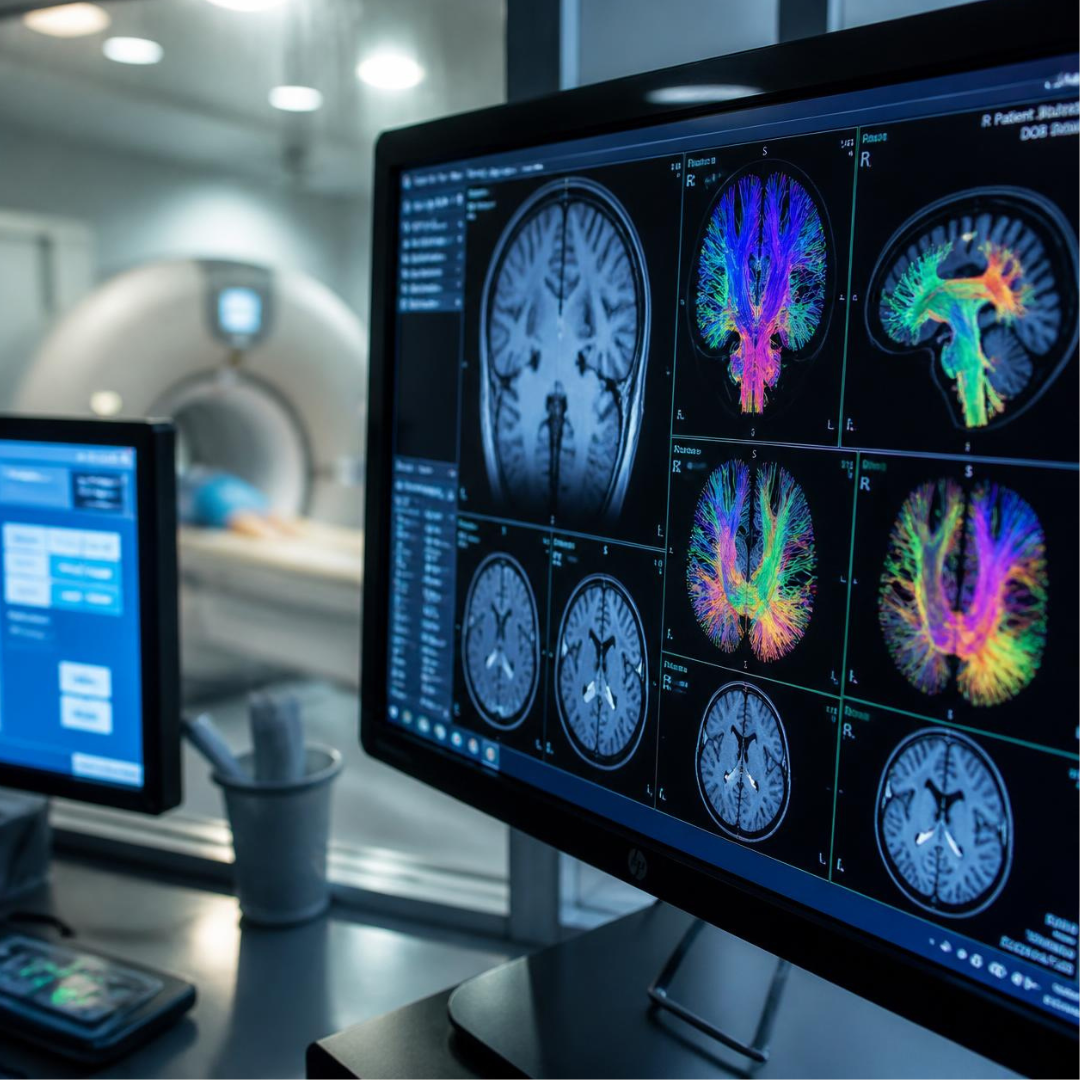
A new study led by French researchers, published in Neurobiology of Disease, shows that these differences are actually visible in the physical structure of the brain. By looking closely at detailed magnetic resonance imaging scans from people being assessed for deep brain stimulation, the team discovered that people naturally fall into three distinct biological groups rather than a simple sliding scale.
The first group includes people who get the classic, strong benefit from their tablets. Their brain circuits absorb and use dopamine smoothly, leading to clear improvements in movement.
The second group offered an encouraging surprise. These individuals had lived with the condition for many years and showed noticeable shrinkage in a movement control area of the brain called the putamen. In the past, doctors often worried that changes in this area meant medication would stop working. The scans proved otherwise, showing that the brain can adapt and still gain strong, dependable relief from levodopa even after years of condition progression.
The third group consists of people who get very little benefit from the medication. For them, the issue was not the putamen at all. Instead, their scans revealed two key differences: thinning tissue across outer regions of the brain that plan movement, and extra iron gathered in deep brain circuits. This explains why simply taking more tablets often fails to help; the broader wiring needed to process the medication has changed.
Discovering these three physical patterns is an important step forward. In the future, a simple brain scan could help doctors choose the right treatment immediately, sparing people the exhaustion of trial and error and pointing them directly towards the therapies, such as deep brain stimulation, that suit their specific biology best.
Comments (0)
Loading comments...