


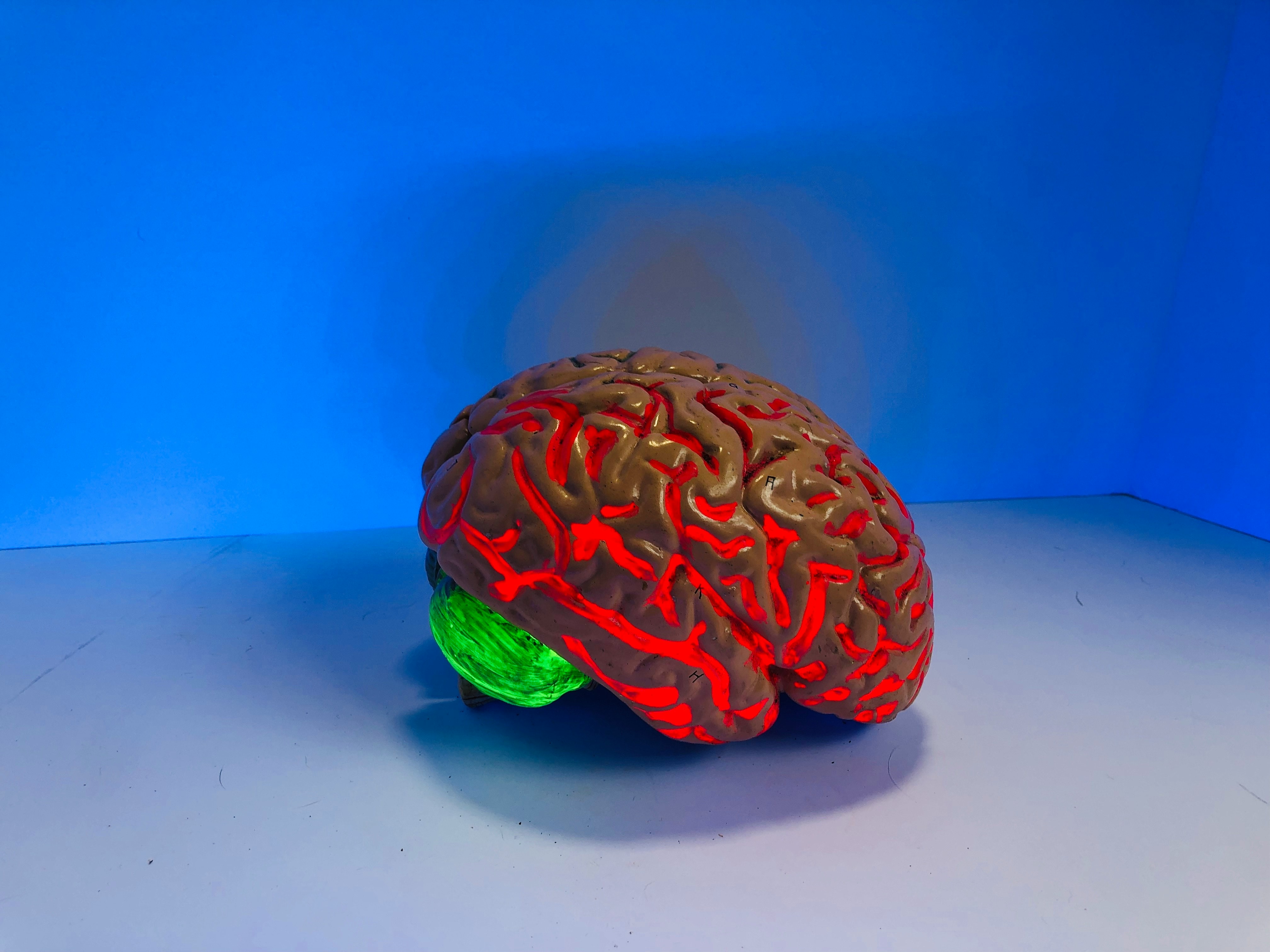
A global study on changes in the brain's white matter in people with Parkinson's disease
August 12, 2024
The study looked at brain changes in people with Parkinson’s disease (PD) by analyzing white matter, the part of the brain that connects different regions. Researchers combined data from 17 studies worldwide, involving over 2,500 participants, to better understand these changes at different stages of the disease. They found that as Parkinson's progresses, the brain’s white matter shows more widespread damage. Interestingly, in early stages of PD, some brain regions showed unexpected patterns that might be linked to the brain trying to compensate for the disease. These findings could help explain why people with PD experience both movement and thinking problems as the disease advances.
To standardize Parkinson’s disease severity across different study sites, the researchers grouped certain stages together for analysis. They found that people with Parkinson’s generally scored lower on mental tests and had different proportions of men and women compared to the control group. When comparing white matter in the brain, early-stage Parkinson’s patients (HY1) showed some unusual patterns, like higher white matter integrity in certain brain regions, possibly as a compensatory mechanism. However, as the disease progressed (HY2 and beyond), more widespread and severe white matter damage was observed, particularly in advanced stages (HY4/5), where nearly all brain regions showed significant deterioration.
Comments (0)
Loading comments...